In India's stainless steel processing industry, customers are demanding increasingly higher quality in the appearance of bent sheets. Whether it's for cabinet panels, hotel kitchen equipment, stainless steel lettering, or architectural decorative panels, the market is moving towards higher standards. Many processing plants encounter similar problems with traditional bending methods: the folded edges are not sharp enough, the springback is difficult to control, thin plates are easily deformed, and indentations are easily left on the surface.
Today, we'll look at a real-world case study from a stainless steel processing plant in Gujarat, India, to see their experience and feedback on the process from initial equipment evaluation to the final selection of a grooving machine.
1、On-site inspection: They thought very carefully before selecting equipment.
Before deciding to introduce the grooving machine, this Indian factory placed great emphasis on the equipment's stability, processing accuracy, and long-term operating costs. Therefore, their team made a special trip to our factory to conduct an on-site assessment.
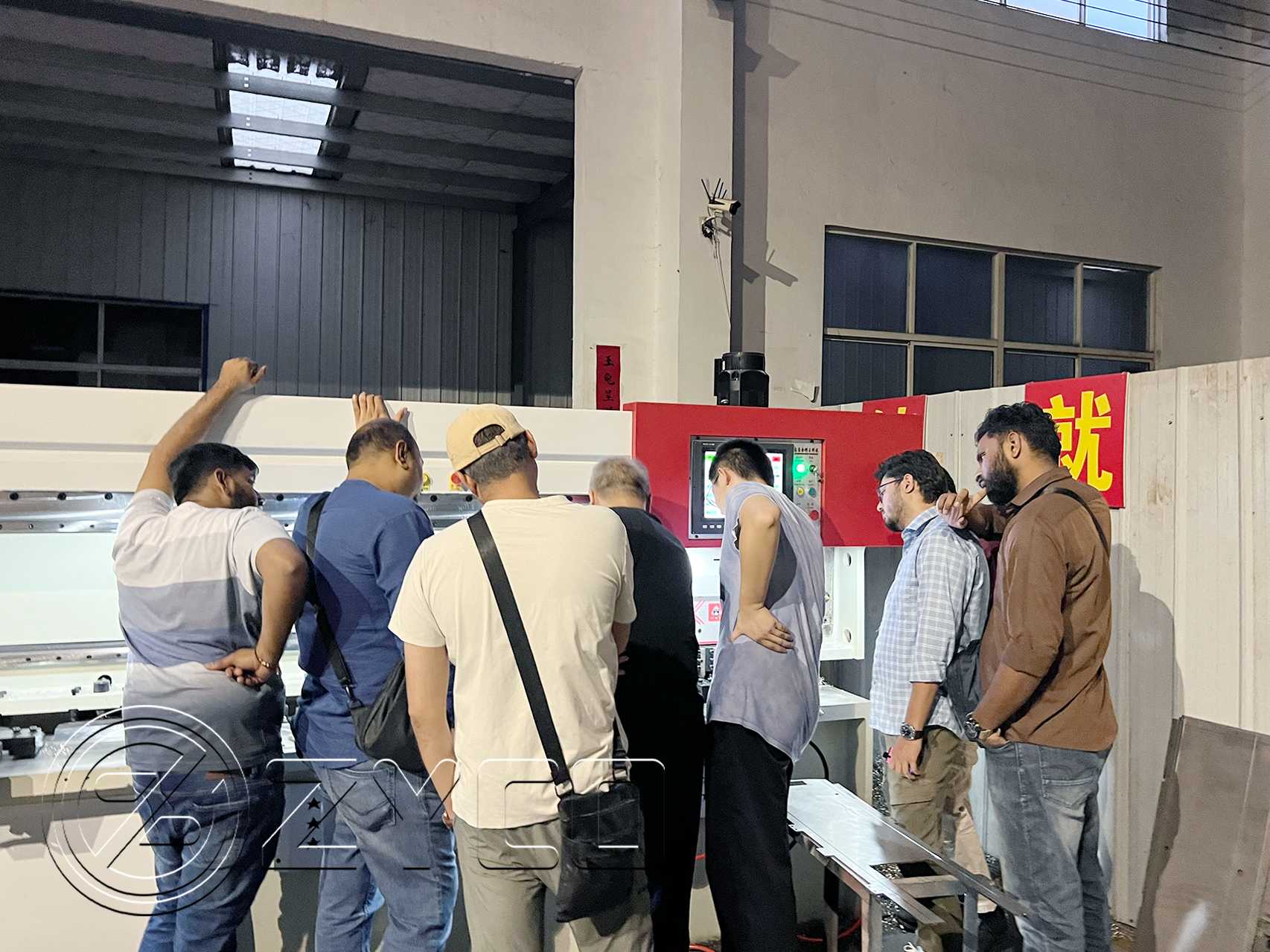
On-site, we demonstrated to them the grooving effect of plates of different thicknesses, the sharpness of the edges after bending, and the differences in processing performance between horizontal and vertical grooving machines. The customer team gathered around the equipment, carefully observing the operation of the cutter head, the sheet clamping method, and the control effect of the grooving depth.
They showed particular interest in the following points:
· Is the folded edge after grooving sharp enough?
· Will indentations be generated on the surface during thin sheet processing?
· Will there be vibration or deformation during the processing of large plates?
· Is the grooving depth stable and controllable?
· Can the processing efficiency meet the daily order volume?
After on-site testing, they directly observed the finished product after grooving and bending, and were quite satisfied with the visual right angles and consistency.
This on-site inspection also became an important basis for their final decision to upgrade the grooving process.
2. The actual processing difficulties they encountered: It wasn't just "a little bit off," but a significant difference.
The factory, which mainly produces stainless steel cabinets, kitchen equipment, and advertising lettering casings, summarized four common problems for us:
1) Large bending radius that failed to meet the “sharp-edge look” clients wanted
2) 0.8–1.2 mm thin sheet deformation, especially wrinkling and surface marks
3) Inconsistent bending results, especially across large batches
4) High rejection rates, mainly from export orders with strict appearance requirements
Even after upgrading dies, adding bending steps, and relying on experienced workers, the problems persisted.
3. Why They Ultimately Chose a Grooving Machine?
After reviewing the samples and comparing both machine types, the team concluded that grooving was the only process that could truly solve their issues——consistently and cost-effectively.
1) Sharper Bends, Premium Visual Quality
Grooving removes part of the material thickness, which makes bending effortless and produces ultra-sharp bends with almost invisible radius.
This was especially important for their high-end kitchen equipment customers.
2) Thin Sheet Friendly——No Marks, No Distortion
Because bending stress is significantly reduced, thin sheets no longer suffer from:
· Surface dents
· Compression lines
· Local deformation or warping
This directly improved their product consistency.
3) Flawless Surface Quality
Grooving does not rely on high-pressure molds, so the sheet surface remains clean——ideal for decorative applications.
4) Higher Consistency, Dramatically Lower Rework Rate
Grooving depth = bending angle consistency.
They told us:“After using the grooving machine, we almost stopped angle re-calibration.”
4、The Economic Benefits: Better Quality and Lower Cost
After introducing the grooving machine, they noticed two additional advantages:
1) Less Welding Required
Some structures could now be formed by bending instead of welding, reducing labor and distortion.
2) Better Material Utilization
With reduced bend allowance and more predictable results, nesting layouts improved.
They reported 10–15% material savings, which significantly strengthened their pricing competitiveness in the Indian market.
5、Results After Adopting the Grooving Machine
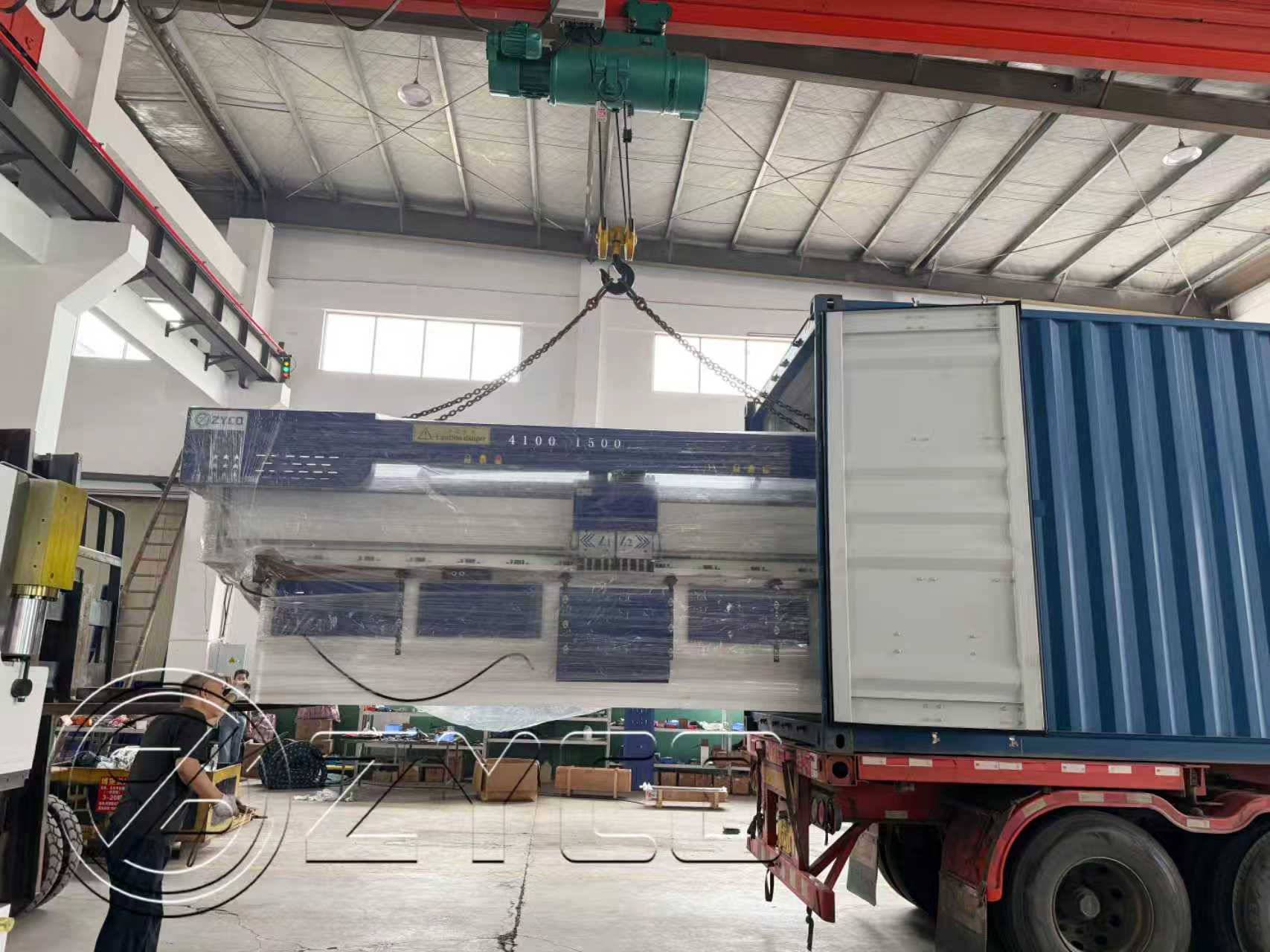
Based on their actual feedback, here’s what changed:
· Sharper, cleaner bends that matched premium market requirements
· Stable thin-sheet bending, with higher pass rates
· Drastically fewer rejects and rework tasks
· Increased export orders, especially from the Middle East
· More predictable production, less dependent on worker skill
Their summary was clear:“The grooving machine wasn’t about following a trend—it genuinely solved the problems we had.”
Conclusion: The Right Equipment Can Lift a Factory to the Next Level
For stainless steel processors in India, a grooving machine is not merely an upgrade. It's a way to:
· Improve product appearance
· Reduce rework
· Increase consistency
· Enhance competitiveness in both domestic and export markets
If you are facing:
· Large bending radius
· Thin-sheet deformation
· Surface pressure marks
· Massive variations in bending results
We can provide a personalized solution——whether a horizontal or vertical grooving machine fits your production needs.
Like our Indian customer, you’re also welcome to visit our factory for live testing. We can prepare materials similar to your daily production so you can see the real results firsthand.