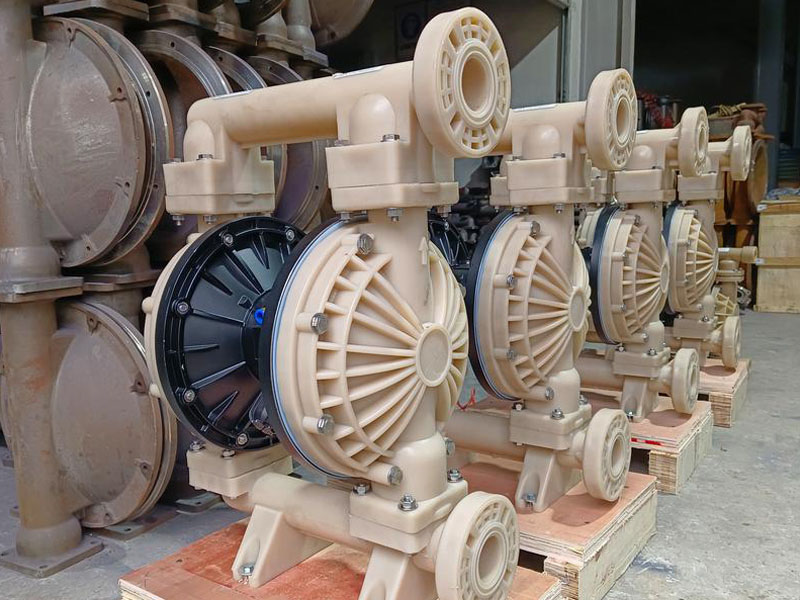
Preventive Measures for Mechanical Seal Failure and Damage in Centrifugal Pumps


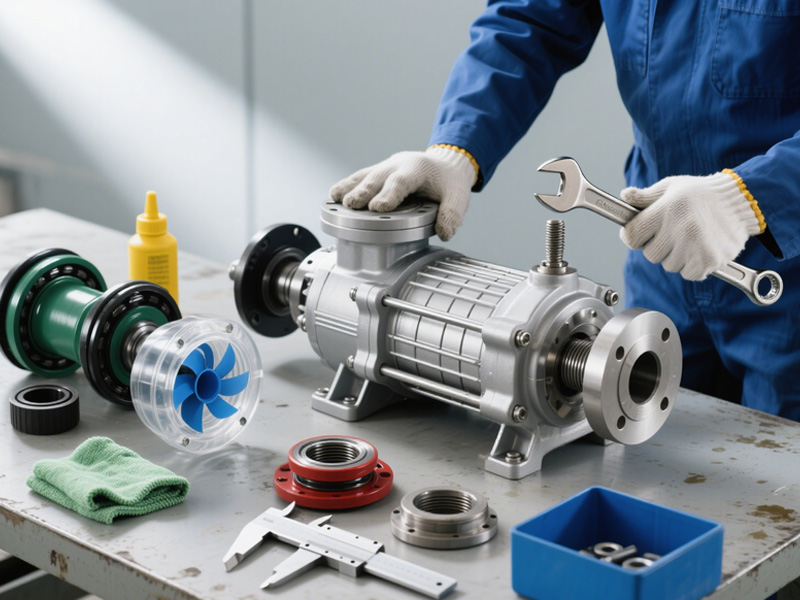
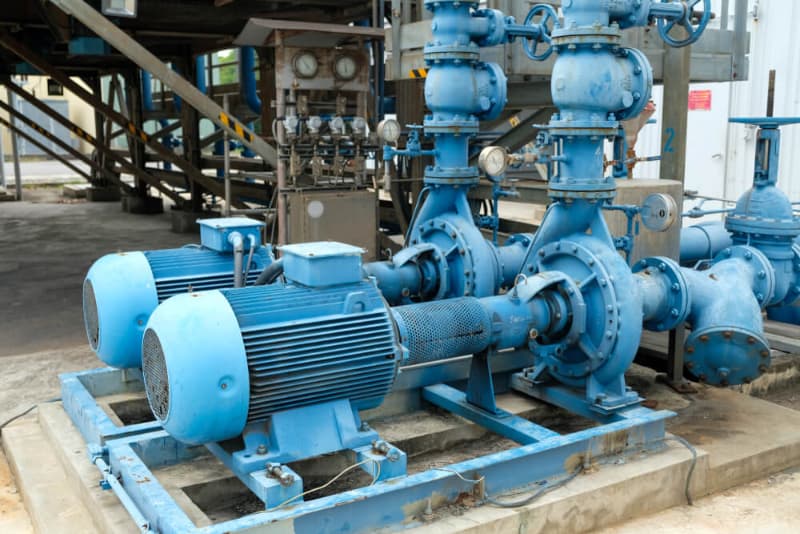
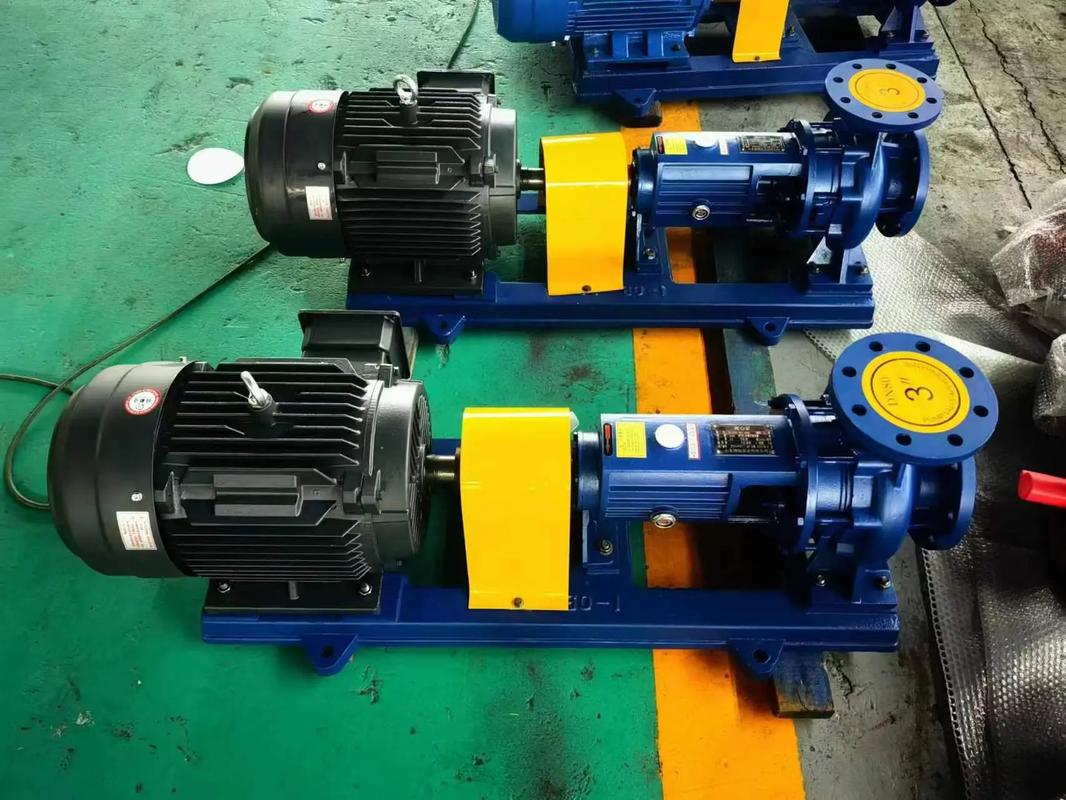
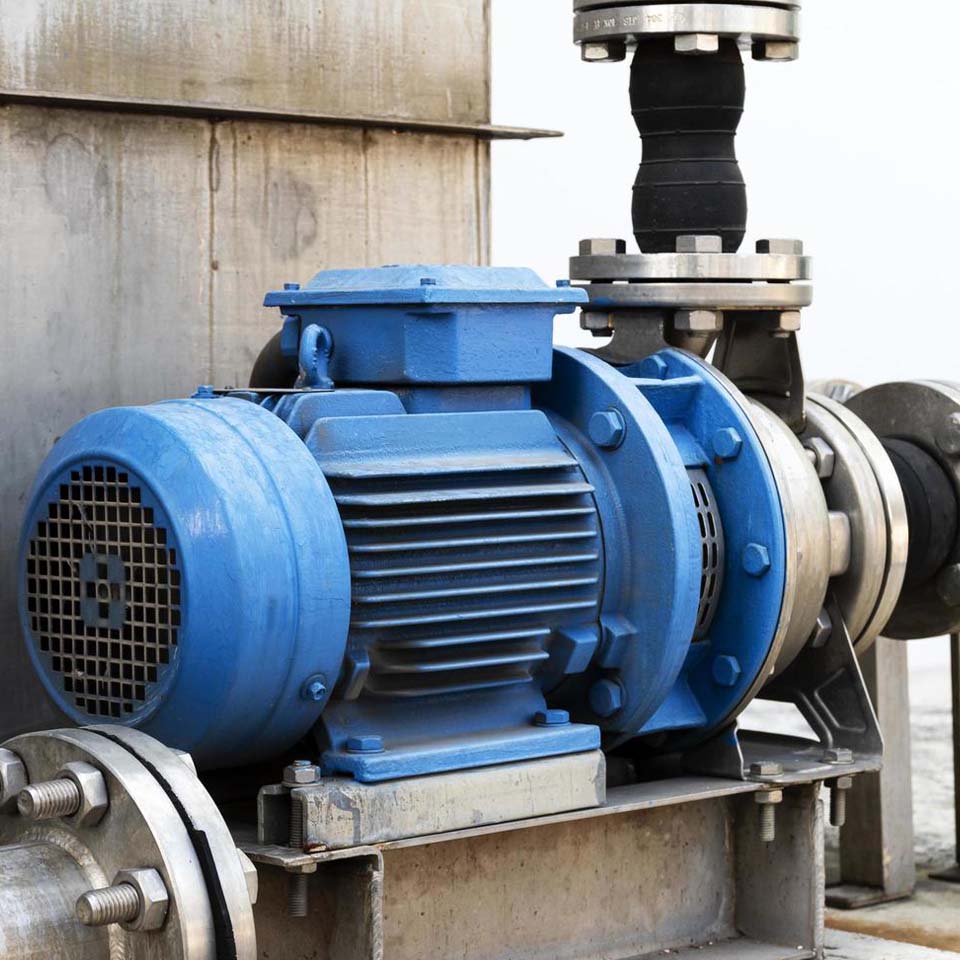
Centrifugal pumps are critical equipment in the oilfield gathering and transportation process. The mechanical seal is a vital component of the centrifugal pump, used to prevent medium leakage. Failure of the mechanical seal directly affects the stable operation of the equipment, leading to downtime for repairs, which impacts the gathering and transportation schedule and the economic benefits of the enterprise. Regarding the issue of mechanical seal failure and damage in centrifugal pumps, Anhui Shengshi Datang analyzes it based on the operating principles of centrifugal pumps and derives the following preventive measures.

1. Implement Proper Seal Assembly

Before assembling the mechanical seal, thorough preparations are essential. This includes inspecting the integrity and cleanliness of all assembly parts. Sealing components should be stored in a dust-free, dry environment to avoid contamination by dust and impurities. Simultaneously, necessary tools and materials should be prepared according to the technical specifications of the equipment manufacturer to ensure a smooth assembly process.

The installation of the mechanical seal must strictly follow the installation manual and standards provided by the manufacturer. Before assembly, carefully read the relevant technical documentation to understand the seal's structure and working principle, and clarify the installation sequence and methods for each component. Any operation not performed according to the specified procedures may lead to seal failure.

During the assembly of the mechanical seal, ensuring the alignment and concentricity of the stationary and rotating rings is crucial. Incorrect alignment can cause uneven contact on the sealing faces, leading to leakage. Special alignment tools can be used to ensure the seal components are on the same axis. Simultaneously, during assembly, check the pump shaft's diameter and concentricity to avoid wear caused by misalignment.

When assembling the mechanical seal, it is essential to apply uniform installation pressure. Use specialized tools to apply torque gradually according to the manufacturer's recommended values, ensuring fasteners are evenly stressed. Excessive or insufficient pressure can lead to poor contact of the sealing faces, increasing wear risk and causing leakage.

After completing the assembly, dynamic testing should be performed to verify the effectiveness of the mechanical seal. Through trial operation, observe for any leakage phenomena. During the testing process, operational parameters should be recorded to promptly identify and address potential issues.

2. Focus on Maintenance Management

Regular inspection of the mechanical seal is the foundation for ensuring its normal operation. A detailed inspection plan should be established to conduct comprehensive checks on the mechanical seal periodically. Observe the flatness and smoothness of the sealing faces, and check for cracks, scratches, or other damage. Ensure the spring has good elasticity without deformation or fracture. Inspect the wear condition of the seal seat, pump shaft, and other related components to ensure their proper functioning.

Cooling water is key to the normal operation of the mechanical seal, and its quality directly affects the seal's performance. Regularly test the chemical composition of the cooling water to ensure it is free from corrosive substances and solid impurities. Simultaneously, maintain the flow rate and temperature of the cooling water within appropriate ranges to effectively reduce the operating temperature of the sealing faces and prevent seal failure due to overheating.

During the operation of the mechanical seal, proper lubrication is crucial for maintaining normal contact between the sealing faces. Regularly check and replace the lubricant according to the manufacturer's recommendations. The selection of lubricant should comply with the characteristics of the seal materials. Avoid using lubricants incompatible with the seal materials to prevent adverse effects on seal performance.

Even under normal operating conditions, mechanical seals will eventually lose their sealing performance due to long-term wear. Therefore, a reasonable replacement cycle should be established to regularly replace severely worn seals, ensuring the normal operation of the equipment. When replacing seals, strictly follow the installation specifications to ensure the performance of the new seal meets requirements.

3. Enhance Maintenance Efforts

Establishing a scientific and reasonable maintenance plan is the foundation for enhancing maintenance efforts. Based on the usage conditions, working environment, and historical failure records of the centrifugal pump, define the maintenance cycle, content, and personnel. Regular preventive maintenance can effectively prevent minor faults from escalating into major problems, ensuring the normal operation of the mechanical seal.

After each maintenance, detailed maintenance records should be kept, including the maintenance date, content, issues found, actions taken, and parts replaced. These records not only provide a basis for subsequent maintenance but also help analyze the causes of failures and improve maintenance quality.

Real-time monitoring of the operating parameters of the centrifugal pump allows for the timely detection of abnormalities. Using an online monitoring system can promptly issue alarms when seal abnormalities occur, preventing further escalation of faults. Through data analysis, factors affecting the performance of the mechanical seal can be identified, enabling the formulation of corresponding improvement measures.

4. Strengthen Personnel Management

Defining the responsibilities of each position is the foundation of strengthening personnel management. Clear job description documents should be developed based on the operational and maintenance needs of the centrifugal pump. Each employee's work content, scope of responsibility, and assessment criteria should be clearly defined to ensure that all tasks during equipment maintenance and fault handling are assigned to specific individuals, forming a clear chain of responsibility.

Conduct regular training sessions focused on centrifugal pumps and mechanical seals to enhance employees' professional skills and fault-handling capabilities. Training content should cover the structure, working principles, common failures and their handling methods, maintenance, and inspection procedures of mechanical seals. By disseminating professional knowledge, employees' awareness of the importance of mechanical seals is enhanced, improving the standardization and safety of their operations.

Establish a scientific assessment mechanism to regularly evaluate employees' work performance. Assessment content should include technical proficiency, work attitude, fault-handling ability, and teamwork spirit. Through assessment, employees can be motivated to actively participate in the maintenance and management of mechanical seals, thereby improving overall work efficiency and quality.

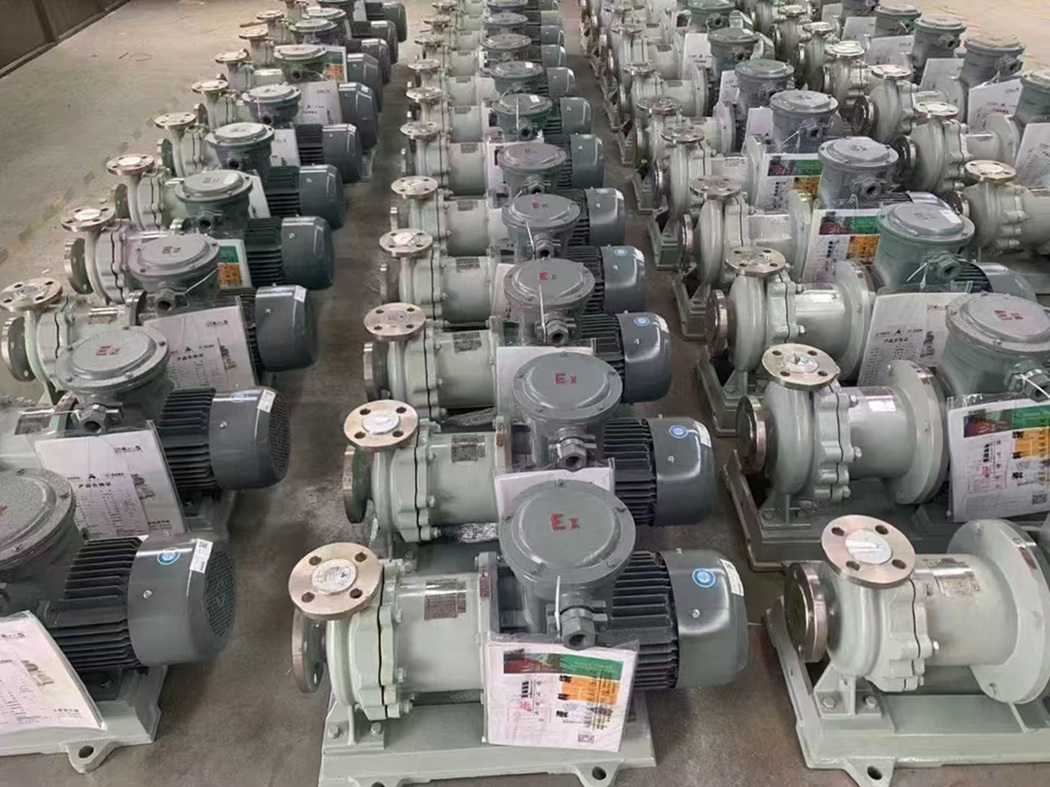
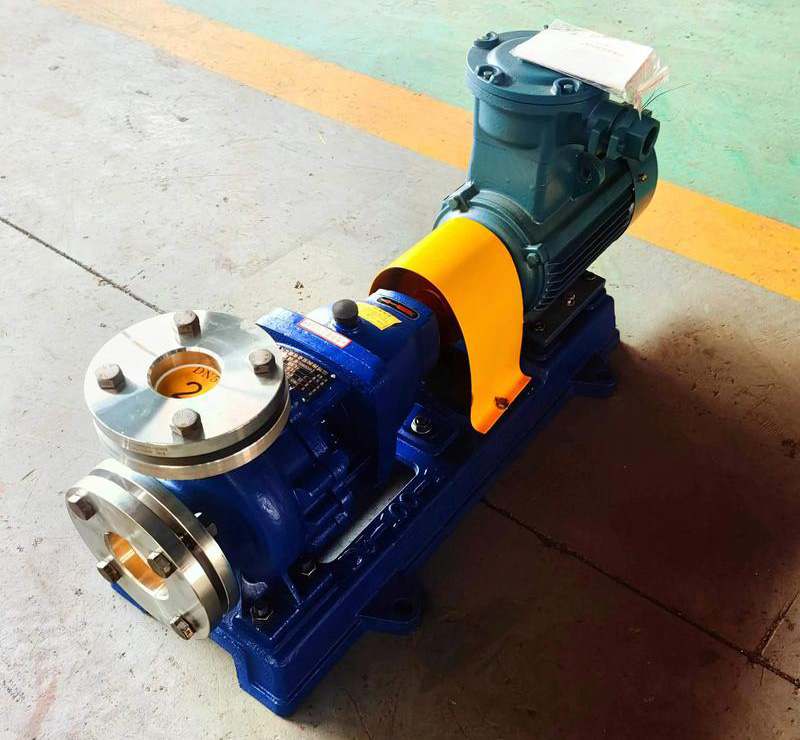
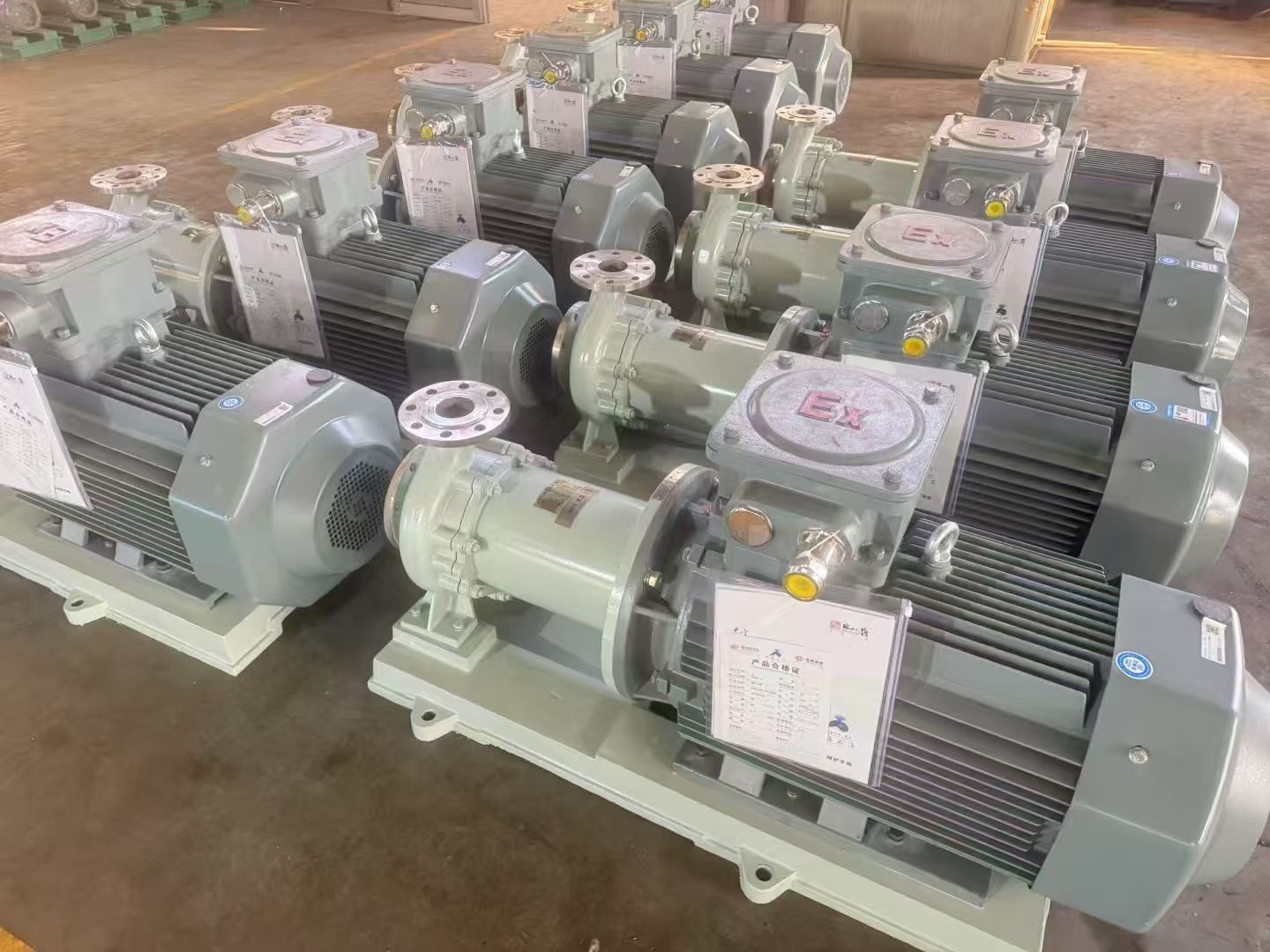
Welcome to purchase magnetic pumps and centrifugal pumps.


Protection Measures Against Demagnetization of Magnetic Drive Pumps


Regarding the demagnetization issue of magnetic drive pumps discussed in the last session, in this session, Anhui Shengshi Datang will provide some protective measures.

Improvement Measures for Magnetic Drive Pump Demagnetization

1. Improvement Approach

When improving the demagnetization situation of magnetic drive pumps, the primary focus is on enhancing the cooling aspect of lubrication to prevent the vaporization of the friction fluid, which leads to dry friction. However, it is also necessary to consider that the conveyed medium may contain vaporizable and volatile substances. According to the law of energy conservation, the velocity of the conveyed medium can be comprehensively reduced, and the static pressure can be increased to enhance the vaporization degree of the medium, thereby effectively preventing vaporization due to excessive temperature. Based on this improvement approach, comprehensive enhancements can be made to the impeller and bearing areas of the magnetic drive pump.

2. Improvement Measures

(1) The bearing of the magnetic drive pump needs to be changed from semi-hollow to fully hollow, and the return hole should be completely drilled through to become a through hole, effectively increasing the actual flow rate of the medium for cooling and lubrication.

(2) During installation, it is essential to ensure that the rotation directions of the spiral grooves match each other. The function of the spiral grooves is to provide flushing and lubrication for the medium. Therefore, the rotation direction of the spiral grooves must be clearly indicated to ensure smoother flow of the medium. During high-speed rotation, some heat will be carried away, thereby enhancing the cooling and lubrication effects on the bearings and thrust rings and promoting the formation of a liquid protective film during friction.

(3) The impeller section needs to be trimmed, but it must be ensured that the impeller efficiency remains unchanged. Trimming the impeller not only reduces the fluid flow velocity but also comprehensively enhances the vaporization degree of the medium through static pressure, improving the vaporization effect. At the same time, the operating range of the magnetic drive pump needs to be expanded to reduce the vibration impact of the process during operation.

(4) A protection device needs to be installed in the magnetic drive pump. During operation, if any component is overloaded or the inner magnetic rotor gets stuck in the "bearing seizure" condition, the protection device can cause it to automatically disengage, providing comprehensive protection for the magnetic drive pump.

Operational Considerations for Magnetic Drive Pumps

To fundamentally resolve the demagnetization issue of magnetic drive pumps, in addition to comprehensive improvements, the following points must be noted during operation:

1. Before starting the magnetic drive pump, priming must be performed to ensure no air or gas remains inside the pump.

2. The bearings of the magnetic drive pump rely on the conveyed medium for cooling and lubrication. Therefore, it is essential to ensure that the magnetic drive pump does not run dry or that all medium is cleared, as this could cause bearing failure due to dry friction or a sudden significant temperature rise inside the pump, leading to demagnetization of the inner magnetic rotor.

3. If the conveyed medium contains particulate matter, a filter screen must be installed at the pump inlet to prevent excessive debris from entering the magnetic drive pump.

4. Components such as the rotor and crankshaft have strong magnetic properties. During installation and removal, the magnetic field scope must be fully considered. Otherwise, it may affect nearby electronic equipment. Therefore, installation and removal must be performed at a distance from electronic devices.

5. During operation of the magnetic drive pump, no objects should come into contact with the outer magnetic rotor to avoid damage and other issues.

6. The outlet valve must not be closed during the operation of the magnetic drive pump, as this could damage components such as the bearings and magnetic steel. If the pump continues to operate normally after the outlet valve is closed, this time must be controlled within 2 minutes to prevent demagnetization.

7. The inlet pipeline valve should not be used to control the flow rate of the medium, as this may cause cavitation.

8. After the magnetic drive pump has been in continuous operation for a certain period, it should be appropriately stopped. After confirming that the wear on the bearings and thrust rings is not severe, disassemble them to inspect the internal components. If minor issues are found in any components, replace them immediately.

In addition to the above considerations, here are some supplementary points:

A. Root Cause: In-Depth Understanding of Demagnetization Mechanism

The magnetic coupler of a magnetic drive pump consists of an inner magnetic rotor and an outer magnetic rotor. When the inner magnetic rotor overheats due to insufficient cooling and lubrication, or when abnormal conditions (such as dry friction or cavitation) cause a sharp temperature rise, once the Curie temperature of permanent magnet materials like NdFeB (typically between 110°C - 150°C) is reached, their magnetism will sharply decline or even permanently disappear. Therefore, the ultimate goal of all measures is to ensure that the inner magnetic rotor always remains below a safe temperature.

B. Preventive Measures During Design and Selection (Source Control)

The following aspects are crucial when purchasing or improving magnetic drive pumps:

1. Selecting Appropriate Magnetic Material and Protection Grade:

a. Neodymium Iron Boron (NdFeB): High magnetic energy product, but relatively low Curie temperature and prone to corrosion. Must ensure complete encapsulation (e.g., stainless steel sleeve) and good cooling.

b. Samarium Cobalt (SmCo): Slightly lower magnetic energy product, but higher Curie temperature (can exceed 300°C), better thermal stability, and more corrosion-resistant. For high-temperature conditions or applications requiring high reliability, SmCo magnets should be prioritized.

c. Inquire with Suppliers: Clarify the magnet material, grade, and Curie temperature.

2. Providing Accurate Operating Parameters:

During selection, it is essential to provide the manufacturer with accurate medium characteristics (including composition, viscosity, solid particle content, and size), operating temperature, inlet pressure, flow range, etc. This helps the manufacturer select the most suitable pump type, materials, and cooling flow path design for your needs.

3. Consider Installing a Temperature Monitoring System:

a. Isolation Sleeve Temperature Monitoring: Install temperature sensors (e.g., PT100) on the outer wall of the isolation sleeve. Since the inner magnetic rotor temperature is difficult to measure directly, the isolation sleeve temperature is the most direct reflection. Setting high-temperature alarms and shutdown interlocks is the most effective automated means to prevent demagnetization.

b. Bearing Monitoring: Advanced magnetic drive pumps can be equipped with bearing wear monitors to provide early warnings before severe wear leads to temperature rise.


C. Key Supplementary Considerations in Operation and Maintenance

In addition to the mentioned priming, preventing dry running, and avoiding cavitation, the following should also be noted:

1. Minimum Continuous Stable Flow and Cooling Circuit:

a. Magnetic drive pumps have a minimum continuous stable flow. Operating below this flow rate means the heat carried away by the internal medium circulation is insufficient, leading to temperature buildup.

b. It is essential to ensure that the pump's cooling return line (if equipped) is unobstructed. This line not only provides bearing lubrication but is also a lifeline for cooling the inner magnetic rotor. This line must never be closed or blocked.

2. Avoid "Low Flow" Operation:

Prolonged operation near the low flow point results in low efficiency, with most of the work converted into heat, similarly causing medium temperature rise and increasing demagnetization risk. Ensure the pump operates within its efficient range.

3. System Pressure and Net Positive Suction Head (NPSH):

a. Ensure Sufficient Inlet Pressure: The mentioned increase in static pressure to enhance vaporization essentially means increasing the Available NPSH (NPSHa) to be significantly greater than the pump's Required NPSH (NPSHr). This is fundamental to preventing cavitation, as the vibration and localized high temperatures generated by cavitation pose a dual threat to magnetic drive pumps.

b. Monitor Inlet Filters: For media containing impurities, the inlet filter must be cleaned regularly. Clogging can cause inlet pressure drop, inducing cavitation.

4. Contingency Plans for Abnormal Conditions:

a. Power Interruption: If a factory experiences a sudden power outage followed by a quick restoration, be cautious as the medium in the system may have partially vaporized or the pump may have accumulated air. In such cases, follow the initial startup steps for inspection and priming; do not start directly.

b. Hot Medium Transfer: When conveying easily vaporizable media, consider insulating the inlet pipeline and even cooling the pump body (e.g., adding a cooling water jacket) to ensure the medium remains in liquid state upon entering the pump.

D. Deepening Maintenance and Inspection

1. Regular Disassembly Inspection:

In addition to checking bearing and thrust ring wear, focus on inspecting the isolation sleeve and inner magnetic rotor surfaces. Any scratches or wear points may indicate poor cooling or misalignment.

Check the magnetic strength of the inner magnetic rotor (using a Gauss meter), establish historical data records, and track its magnetic decay trend.

2. Management of Standby Pumps:

The inner magnetic rotor of a magnetic drive pump stored as a long-term standby might experience slight demagnetization due to surrounding stray magnetic fields or vibrations. Regularly rotate the pump and alternate its use.

Troubleshooting and Handling Measures for Pneumatic Diaphragm Pump

In the previous blog, we discussed the common failures of pneumatic diaphragm pumps and analyzed their causes. Now, Anhui Shengshi Datang will guide you on how to troubleshoot these issues and what steps to take when encountering such situations.

Troubleshooting and Handling Measures

1. Air Pump Not Working

When it is found that the pneumatic diaphragm pump cannot start normally or stops immediately after starting, it should be inspected based on this symptom:

(1) First, check whether the connection points of the circuit are broken. If the circuit is damaged or the connections are loose, replace the wires in the circuit or reinforce the connections promptly to restore the equipment to operation and improve the stability of the air pump.

(2) If parts that frequently experience friction show significant wear or have aged and lost elasticity, consider replacing them to enhance the stability of the system operation.

2. Inlet/Outlet Pipeline Blockage

If the issue with the air pump is determined to be in the inlet/outlet pipeline, and the pump cannot operate normally due to pipeline blockage, inspect and address it based on the following symptoms:

Common Faults Cause Analysis Handling Measures
Insufficient pressure supply or pressure increase in the diaphragm pump Improper adjustment of the pneumatic diaphragm pump pressure regulating valve or poor air quality; malfunction of the pressure regulating valve; malfunction of the pressure gauge Adjust the pressure valve to the required pressure; inspect and repair the pressure regulating valve; inspect or replace the pressure gauge
Pressure drop in the diaphragm pump Insufficient oil replenishment by the oil replenishment valve; insufficient feed or leakage in the feed valve; oil leakage from the plunger seal Repair the oil replenishment valve; inspect and repair the sealing parts; refill with new oil
Reduced flow rate in the diaphragm pump Pump body leakage or diaphragm damage; rupture of the inlet/outlet valve; diaphragm damage; low speed that cannot be adjusted Inspect and replace the sealing gasket or diaphragm; inspect, repair, or replace the feed valve; replace the diaphragm; inspect and repair the control device, adjust the rotation speed

(1) Disassemble and clean the internal pipelines of the equipment to remove various impurities attached to the pipelines. Improve the cleanliness of the pipe walls and enhance the stability of the equipment operation.

(2) Strengthen the management of medium materials to ensure that materials do not mix due to sharing. Ideally, use one device for pumping a specific material. If the same equipment must be used, clean the pipelines promptly to avoid air pump pipeline blockages and improve the stability of the air pump's working condition.

3. Severe Ball Seat Wear

If ball seat wear is confirmed through inspection, troubleshoot using the following measures:

(1) First, confirm whether its sealing performance can support normal equipment operation. If the ball seat wear is too severe to determine, replace the ball seat to maintain the fit between the ball seat and the ball and avoid poor sealing.

(2) Since friction between the ball seat and the ball is inevitable, monitor the operating condition of the ball seat in real time during daily operations to enhance the overall stability of the equipment.

4. Severe Ball Valve Wear

If ball valve wear is confirmed through inspection, and the wear is severe, troubleshoot using the following measures:

(1) Replace severely damaged ball valves. If no spare ball valve is available, temporarily use a ball bearing as a substitute and replace it with a matching ball valve afterward.

(2) Media with excessively high viscosity will increase the resistance of the ball, preventing flexible operation. In this case, clean the ball valve and base to ensure smooth transportation and improve the stability of the equipment operation.

5. Irregular Air Pump Operation

For issues related to irregular air pump operation, inspect and address them based on the specific symptoms:

(1) Replace severely worn ball valves to improve structural stability.

(2) If the diaphragm is damaged, replace it promptly to enhance the reliability of the system's processing.

(3) If the issue is due to limitations of the preset system, upgrade the system to improve the stability of the equipment system operation.

6. Insufficient Air Supply Pressure

For problems caused by insufficient air supply pressure, inspect and troubleshoot using the following measures:

(1) Confirm whether the equipment operating system is stable and check the system pressure condition. If it meets the requirements, continue using it; otherwise, debug it as soon as possible.

(2) To maintain the volume and cleanliness of compressed air, add an air filtration device and improve the purity of the compressed air to maintain the equipment output rate and enhance system stability.


Daily maintenance of horizontal baling machine

The horizontal baler stands as a cornerstone equipment within the waste management and recycling sector. Its work principle involves using hydraulic power to compress materials. When materials are fed into the baler, a hydraulic cylinder exerts immense pressure, gradually squeezing the materials together. As the pressure builds up, the materials are compacted into tightly packed bales.


Engineered to compress an array of materials, including cardboard, paper, plastics, and even metals, into tightly packed bales, it dramatically diminishes waste volume. This reduction enhances the efficiency and cost-effectiveness of both storage and transportation processes.


A primary benefit of horizontal balers lies in their remarkable versatility. They are capable of processing a diverse spectrum of materials, effortlessly adjusting to varying sizes and shapes. This adaptability renders them suitable for a multitude of industries, spanning from manufacturing to retail operations.


Furthermore, horizontal balers are renowned for their impressive compression ratios, guaranteeing that the bales they produce are both dense and stable. This not only conserves valuable space but also significantly reduces the likelihood of bales disintegrating during handling and transportation.


After each day's work is completed, it's the best time for maintenance:


Thorough Cleaning:

Remove any remaining paper scraps and debris from the hopper.

Clean dust and oil from the pusher head, compression chamber, and bale outlet.

Clean the equipment surface, keeping it clean overall.


Inspect Key Components:


Blades and Seals:

Check the sealing strips on the compression chamber door for damage. Replace any damaged strips immediately to prevent leakage. Check the sharpness of the cutter.


Chain/Wire Rope:

 For equipment using chains or wire ropes for threading, check their wear and tension, and add appropriate amounts of lubricating oil.


Lubrication:

Add the specified grease or lubricating oil to all lubrication points (such as guide rails, sliders, bearing housings, etc.) according to the equipment manual.


Hydraulic System:

After shutting down, check again for any leaks.

Clean the area around the oil tank filler neck to prevent impurities from entering.


In essence, the horizontal baler assumes a critical role in contemporary waste management strategies. Its efficiency, adaptability, and superior compression abilities render it an indispensable tool for businesses seeking to optimize their waste disposal and recycling workflows.

Daily maintenance of metal balers

Metal balers are essential equipment in the metal recycling and processing industries. Their maintenance is directly related to their service life, cutting efficiency, and production safety.


Daily Maintenance (Before and After Each Shift)

This is the most basic and crucial maintenance, performed by the operator.


1. Pre-Startup Inspection:

Lubrication Check: Check all lubrication points (such as the master cylinder, door hinges, and slide rails) for sufficient lubricant/grease.


Hydraulic System Check: Check that the hydraulic oil level is within the specified range and inspect the oil tank, oil lines, and joints for leaks.


Electrical System Check: Check for damaged or loose wiring and that the emergency stop button is functioning.


Fasteners Check: Quickly check for loose bolts and nuts in critical locations.


Cleaning the Material Bin: Ensure that the baling chamber is free of debris or debris from the previous shift, especially metal that could prevent the door from closing.


2. Observation During Operation:

Abnormal Noise and Vibration: Pay attention to any unusual noise or excessive vibration during operation.


Oil Temperature Monitoring: Observe whether the hydraulic oil temperature rises abnormally (usually should not exceed 60-70°C).


Operation Smoothness: Observe whether each cylinder operates smoothly and whether there is any creeping.


Pressure Gauge Reading: Note whether the system operating pressure is normal and whether there are any excessive fluctuations.


3. Post-Shutdown Maintenance:

Thorough Cleaning: Clean dust, oil, and metal debris from the equipment surface. Focus on cleaning the packaging chamber, pusher head, and door cover seal contact surfaces.


Draining: If the system is air-cooled, check and drain condensate from the air filter.

Metal Shredder Buying Guide

Understanding the Core Components of a Metal Shredder


A metal shredder is more than just a machine; it's a system. Here are its core components:


1. Main Unit:


Cutter Shaft: Single, dual, or quadruple shaft? Dual shafts are most common, processing metal by shearing and tearing.


Blades:Material (usually alloy steel), shape, number, and repairability. Blades are consumable parts, so their quality and durability are crucial.


Housing: Heavy-duty steel structure ensuring stable operation under high loads.


Power System:Typically an electric motor (electric) or diesel engine (for mobile or non-electric areas).


2. Feeding System:


Conveyor:Belt conveyor or chain conveyor for automatic, uniform feeding.


Feeding Method: Manual feeding, conveyor feeding, or steel grabber feeding.


3. Discharge System:


Conveyor: Transports the shredded material away.


Magnetic Separator (Optional but Important):Used to separate metallic and non-metallic impurities.


Dust Collection System (Environmental Requirements): Collects dust generated during the shredding process, meeting environmental standards.


4. Control System:


PLC Control: High degree of automation, capable of monitoring load, setting automatic reverse (anti-jamming), and fault alarms.


Electrical Cabinet: Core control unit.

Routine maintenance of container shears


Container shears are heavy-duty industrial equipment primarily used to compress and shear various metal scraps (such as steel sections, plates, auto bodies, and lightweight materials) into high-density "blocks" for easier transportation, storage, and improved smelting efficiency.

Before starting work each day, the following checks must be performed:


1. Cleaning and Visual Inspection


Remove debris: Remove dust, oil, metal shavings, and other debris from the equipment surface, around the blades, and the feed chute. Keeping the equipment clean prevents debris from affecting cutting accuracy and damaging the equipment.


Visual Inspection: Visually inspect all parts of the equipment for obvious damage, cracks, or deformation.


2. Lubrication Check


Check Oil Level: Check that the hydraulic oil level in the hydraulic system is within the range specified on the oil level gauge. If the oil level is too low, add hydraulic oil of the same grade immediately.


Check Lubrication Points: Add an appropriate amount of grease or lubricating oil to all lubrication points specified in the equipment manual (such as slide rails, bearing seats, pins, etc.). Ensure that moving parts are well lubricated.


3. Fastener Inspection


Check Critical Bolts: Focus on checking the tightness of critical parts such as anchor bolts, blade fixing bolts, and hydraulic line joints to ensure there is no looseness. Looseness can lead to increased vibration, increased noise, and even accidents.


4. Electrical System Inspection


Inspect Wiring: Visually inspect cables and wires for damage, aging, or exposed wires.


Inspect Operating Buttons: Test the sensitivity and reliability of all operating buttons (such as start, stop, up, down). The emergency stop button must function effectively.


5. Blade Inspection


Inspect Blade Edges: Check the sharpness of the upper and lower blades, ensuring there are no chips, curled edges, or severe wear. Dull blades will reduce shearing quality and increase equipment load.


6. No-Load Trial Run


Before starting formal work, start the equipment and perform several no-load shearing cycles. Listen to the equipment's operating sound to ensure it is normal, and observe the hydraulic system for any abnormal vibrations or leaks. Work can only begin after confirming everything is normal.

Ceramic Component Multi-Station Helium Mass Spectrometer Leak Detector —— A New Benchmark in Airtightness Testing

Are you looking for a device that can efficiently and accurately detect micro-leaks in high-precision products such as ceramic components? Then, the Ceramic Component Multi-Station Helium Mass Spectrometer Leak Detector is definitely your best choice!

This device utilizes advanced helium mass spectrometry technology, using helium as a tracer gas, to achieve highly sensitive, fast, and accurate leak detection. Meanwhile, its multi-station design (each station can test four products simultaneously) greatly enhances detection efficiency, helping enterprises quickly complete large-batch product testing tasks.

Whether it's ceramic housings, relay ceramic housings, or other seals that require high airtightness, this device can easily handle them all, providing solid guarantees for product quality. Efficient, accurate, and reliable, the Ceramic Component Multi-Station Helium Mass Spectrometer Leak Detector has become the preferred airtightness testing equipment in many industries.

Ceramic Component Multi-Station Helium Mass Spectrometer Leak Detector Your Ideal Choice for Airtightness Testing

In the realm of modern industrial production, the airtightness testing of products is of paramount importance as it directly impacts the performance, reliability, and lifespan of the products. Today, we are excited to introduce to you an outstanding ceramic component multi-station helium mass spectrometer leak detector for airtightness testing equipment that will provide robust support for your production quality control.

1. High-Efficiency and Precision Detection for Enhanced Productivity

This device is controlled by a touch screen and buttons, featuring two stations. Each station is capable of simultaneously testing four products. By utilizing helium as a tracer gas and mass spectrometry technology, it achieves highly sensitive, rapid, and accurate leak detection. With a minimum detectable leak rate as low as 5X10 - 11Pa·m³/s and a response time of no more than 0.3s, along with a detection speed of over 500 pieces per hour, it can efficiently complete the testing of a large number of products in a short time, significantly enhancing your production efficiency.

2. Wide Range of Applications to Meet Diverse Needs

The equipment finds extensive applications in numerous industries such as power electronics, automobile manufacturing, air conditioning and refrigeration. It is used to detect the airtightness of various products like relays and ceramic shells. Whether it is the ceramic shell, a crucial component of many high-precision equipment and instruments whose airtightness directly affects the equipment's performance and reliability, or the relay ceramic housing, an important part in the production of DC high voltage contactors with complex internal structures, diverse materials, and a required leakage rate reaching the 10E - 13 order of magnitude, as well as a variety of other seals requiring high airtightness, it can accurately detect and ensure the quality of different products across various industries.

3. Stable and Reliable Performance for Long-Term Use

The technical parameters of the equipment showcase its excellent performance. It has a start-up time of no more than 100s, a maximum pressure of 2000Pa, a power supply voltage of AC220V±10%/50Hz, and can operate within a working environment temperature range of 5~40℃. Its compact size of 120012001600mm is designed reasonably. The structural design is ingenious. It adopts a multi-station design, with each station able to test eight products simultaneously. The sealing component consists of a transition screw and a sealing joint, which forms a sealing cell by adjusting the matching gap to ensure that the product to be detected can achieve the initial sealing effect when inserted. The support structure is welded into one piece through a high-temperature vacuum brazing process, providing reliable support and sealing connections, guaranteeing the long-term stable operation of the equipment.

4. Worry-Free After-Sales Service for Peace of Mind

We offer a usually one-year warranty period for this device. During the warranty period, if the equipment fails due to non-human factors, the manufacturer will be responsible for free repair or replacement of parts, allowing you to use it without any concerns.

helium mass spectrometer leak detector

During the operation, simply ensure that the workpiece is placed correctly to prevent damage to the equipment or any impact on the test results. Regularly check and maintain the equipment to ensure its normal operation, and follow the safe operation procedures to avoid accidents. If you are still troubled by product airtightness testing, this ceramic component multi-station helium mass spectrometer leak detector for airtightness testing equipment is definitely your best choice. It will become your powerful assistant in enhancing product quality and strengthening enterprise competitiveness!

Discover the Unbeatable Hairpin Type Pipe Bender Your Ideal Solution for Precision Pipe Bending!

In the world of manufacturing and metalworking, finding the right equipment can be a game-changer. Today, I'm excited to introduce you to our remarkable hairpin type pipe bender, a true marvel of engineering that combines high efficiency, ease of operation, dependability, and excellent adaptability.


Unmatched Efficiency for Optimal Productivity

Our hairpin type pipe bender is powered by an AC servo motor NC system, ensuring precise feeding and consistent pipe lengths. Paired with clamping hydraulic and bending mechanisms, it delivers stable performance and accurate bending angles. This means you can achieve high-quality results in less time, boosting your overall productivity.


User-Friendly Operation for Seamless Workflow

Say goodbye to complex operations! Our pipe bender is equipped with a PLC control system and a touch screen for easy parameter setting. The intuitive interface makes it a breeze to operate, even for those with limited experience. With just one switch, you can complete the entire operation, streamlining your workflow and reducing the learning curve.


Rock-Solid Dependability You Can Trust

We understand the importance of reliability in your production process. That's why our hairpin type pipe bender is built with imported components and features a perfect protecting function. This ensures long-lasting performance and minimizes the risk of breakdowns, giving you peace of mind and saving you time and money on repairs.


Exceptional Adaptability to Meet Your Diverse Needs

Whether you're working with stainless steel, carbon steel, copper, aluminum, or other common metal pipes, our pipe bender has got you covered. It can handle different pipe materials with ease, and you can change the bending dies to meet various requirements. This versatility makes it a valuable asset for any manufacturing or metalworking operation.


Impressive Technical Specifications for Superior Performance

Check out these amazing technical specifications:

Model

HH-CU-1035

HH-CU-1037

Use copper pipe specifications

Φ7Wall thickness 0.25 - 0.5mmΦ9.52Wall thickness 0.25 - 0.5mm

Φ7Wall thickness 0.25 - 0.5mmΦ9.52Wall thickness 0.25 - 0.5mm

Bending center distance

Φ7(15.88 - 22mm) Φ9.5219.05 - 25.4mm

Φ7(15.88 - 22mm) Φ9.5219.05 - 25.4mm

Bending length

300 - 1300mm

300 - 2500mm

Number of bent copper tubes

5 roots

7 roots

U-Shaped center distance accuracy

±0.1mm

±0.1mm

Ellipticity of bend

<15%

<15%

Bend part thinning rate

<35%

<35%

Long U tube length accuracy

±0.8mm

±0.8mm

Length accuracy of both ends of U-tube

1.0mm

1.0mm

Control method

Manual, inching, automatic

Manual, inching, automatic

Straightness

≤3mm

≤3mm

Cutting edge rate

10%

10%

Working voltage

AC380V

AC380V

Air pressure range

0.3 - 0.5Mpa

0.5 - 0.7Mpa

These specifications guarantee precision and quality in every bend, making our pipe bender the top choice for your bending needs.


Comprehensive After-Sales Service for Your Peace of Mind

We don't just sell you a product; we offer a complete solution. Our after-sales service includes equipment installation and commissioning, operation training, free repair and maintenance during the warranty period, and long-term technical support. Even after the warranty expires, we'll still be there for you with affordable repair services and spare parts supply.


In conclusion, if you're looking for a hairpin type pipe bender that offers top-notch performance, ease of use, and reliable after-sales support, look no further. Our product is the perfect choice for you. Don't miss out on this opportunity to enhance your production capabilities and take your business to the next level. Contact us today to learn more and place your order!