Why FENGYU Ball Joints Are the Trusted Choice for Global Automotive Aftermarkets

In the complex ecosystem of automotive components, few parts are as critical to safety and performance as the ball joint. Serving as the linchpin between a vehicle’s suspension and steering systems, a high-quality ball joint ensures smooth handling, stable control, and durability across diverse driving conditions. For over three decades, Xiamen Fengyu Autoparts Co., Ltd. has stood out as a leading manufacturer of premium ball joints, earning trust from clients worldwide. Let’s explore why FENGYU ball joints are the go-to choice for passenger cars, SUVs, and trucks across Japanese, Korean, European and American vehicle brands.

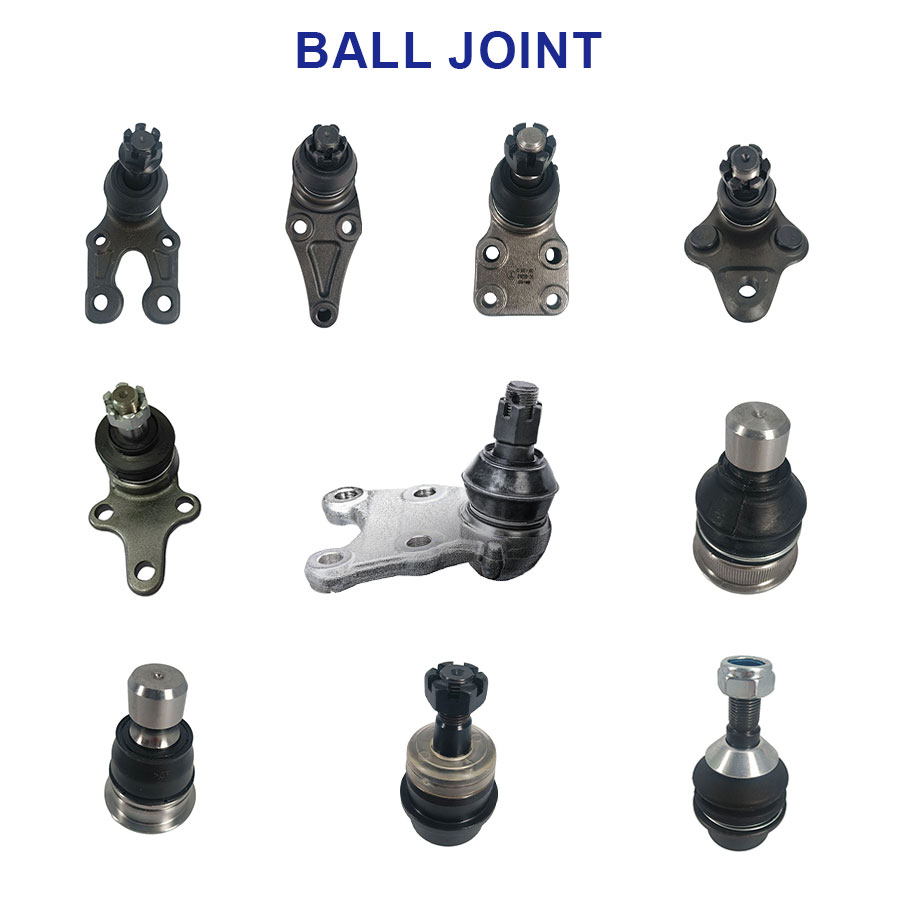
nissan ball joint


A Legacy of Excellence: 30+ Years of Manufacturing Expertise

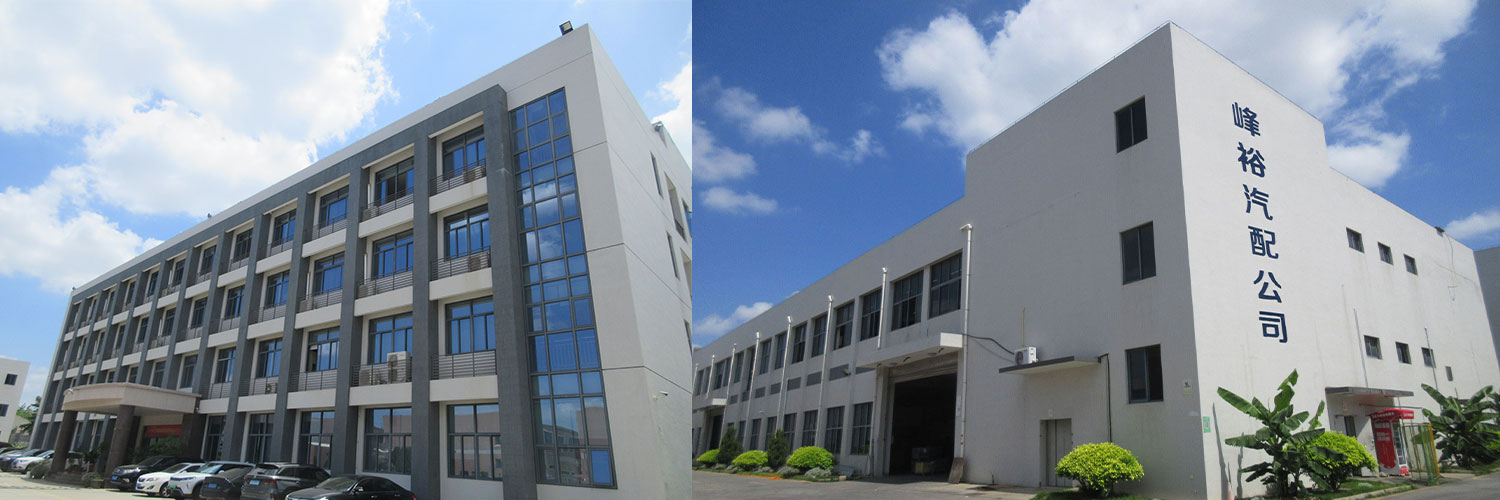
Founded in 1997, FENGYU has built a distinguished reputation in the automotive aftermarket (AM) sector, with over 30 years of focused experience in developing and producing steering, suspension, and brake components. What began as a regional manufacturer has evolved into a globally recognized supplier, thanks to an unwavering commitment to precision engineering and superior craftsmanship. Today, FENGYU operates a state-of-the-art facility equipped with over 200 sets of advanced manufacturing equipment, boasting an annual production capacity of 10,000,000 pieces and ready stock of over 100,000+ units—ensuring quick response to global demand.

Certifications are a testament to FENGYU’s dedication to quality. The company holds ISO9001 and IATF certifications, rigorous standards that validate its adherence to international quality management systems. These certifications, combined with decades of export experience spanning 30+ countries, make FENGYU a reliable partner for businesses seeking consistent, high-performance automotive parts.


Engineering Excellence: What Makes FENGYU Ball Joints Stand Out

At the core of FENGYU’s success lies its relentless focus on product quality. Every ball joint undergoes a battery of rigorous tests to ensure it meets or exceeds OE (Original Equipment) standards. These tests include dimensional accuracy checks to guarantee perfect fitment, durability trials to withstand millions of cycles of use, and corrosion resistance assessments using salt spray testing—critical for parts exposed to harsh weather and road conditions. Torque and impact tests further validate that FENGYU ball joints can handle the stresses of daily driving, from urban commutes to off-road adventures.


FENGYU ball joints are engineered to fit a wide range of vehicles, making them a versatile solution for aftermarket needs. Whether you’re servicing a Japanese Honda, a Korean Hyundai, a European BMW, an American Ford, or a Chinese domestic model, FENGYU offers ball joints tailored to 90% of automobile brands. This compatibility extends across passenger cars, rugged SUVs, and heavy-duty trucks, ensuring that no matter the vehicle type, FENGYU has a ball joint that delivers reliable performance.
honda ball joint

Flexibility for Every Business Need: Low MOQ, Competitive Pricing, and Custom Solutions

FENGYU understands that aftermarket businesses have diverse needs, which is why it prioritizes flexibility in its services. One of the key advantages of partnering with FENGYU is its low minimum order quantity (MOQ) of 100 pieces per model. This customer-friendly policy allows small to medium-sized businesses to access premium parts without the burden of large inventory commitments, making it easier to test new markets or meet niche demand.


Competitive pricing is another cornerstone of FENGYU’s offering. As a factory-direct supplier, FENGYU eliminates middleman costs, passing savings directly to clients. This factory-direct model also ensures transparency in pricing and faster communication, streamlining the ordering process for businesses worldwide.


For clients with unique requirements, FENGYU offers robust OEM/ODM customization services. Whether you need ball joints tailored to specific vehicle models, branded with your company logo, or designed to meet unique performance specifications, FENGYU’s R&D team works closely with clients to deliver bespoke solutions. The process is seamless: provide your design specifications or trademark authorization, and FENGYU handles the rest—from prototyping to production—ensuring your custom parts meet the same strict quality standards as its standard offerings.


Beyond the Product: Lifetime Warranty and Exceptional Support

FENGYU stands behind its ball joints with a lifetime warranty, a promise that speaks to the confidence in its product durability. This warranty ensures that clients can offer their customers peace of mind, knowing that FENGYU parts are built to last. In the rare event of an issue, FENGYU’s responsive after-sales service team is ready to assist, providing quick solutions to minimize downtime for businesses.


Delivery efficiency is another area where FENGYU excels. For ready stock items, delivery can be arranged within 1–3 days, ensuring urgent orders are met promptly. For custom or large-quantity orders, lead times are kept reasonable at 30–45 days, with clear communication throughout the production process. This reliability in delivery has made FENGYU a preferred supplier for time-sensitive projects.
 

Why Choose FENGYU Ball Joints for Your Business?

In a market flooded with automotive parts, FENGYU stands out as a partner that combines quality, flexibility, and service. Whether you’re a small auto repair shop, a regional distributor, or a global chain, FENGYU’s ball joints offer the perfect balance of performance and value. With OE-level quality, broad vehicle compatibility, low MOQ, competitive pricing, and custom solutions, FENGYU empowers businesses to meet customer needs effectively.


Backed by 30+ years of expertise, ISO9001/IATF certifications, and a track record of satisfied clients, FENGYU is more than a supplier—it’s a collaborator invested in your success. From standard replacements to bespoke designs, FENGYU’s ball joints are engineered to deliver reliability, mile after mile.


Ready to elevate your automotive parts inventory? Choose FENGYU ball joints for factory-direct quality, professional support, and the confidence that comes from partnering with a trusted industry leader. Contact the FENGYU team today to discuss your needs and experience the difference quality and service can make.

How does ZYCO deliver each device safely to customers?

In international trade, the safe transportation of equipment is crucial. For sheet metal processing equipment we export, due to its large size and weight, the packaging and loading method directly determines whether the machine can arrive safely and intact at the customer's factory. Depending on the customer's order quantity and equipment size, we typically arrange export shipping using two methods: Less than Container Load (LCL) and Full Container Load (FCL).


1. LCL

LCL is generally suitable for situations where the customer only orders one small sheet metal processing equipment. Since the equipment is not enough to fill a container on its own, in order to reduce the customer's transportation costs, we will combine the goods with other goods in the same container for transportation.

During the LCL process, we will:


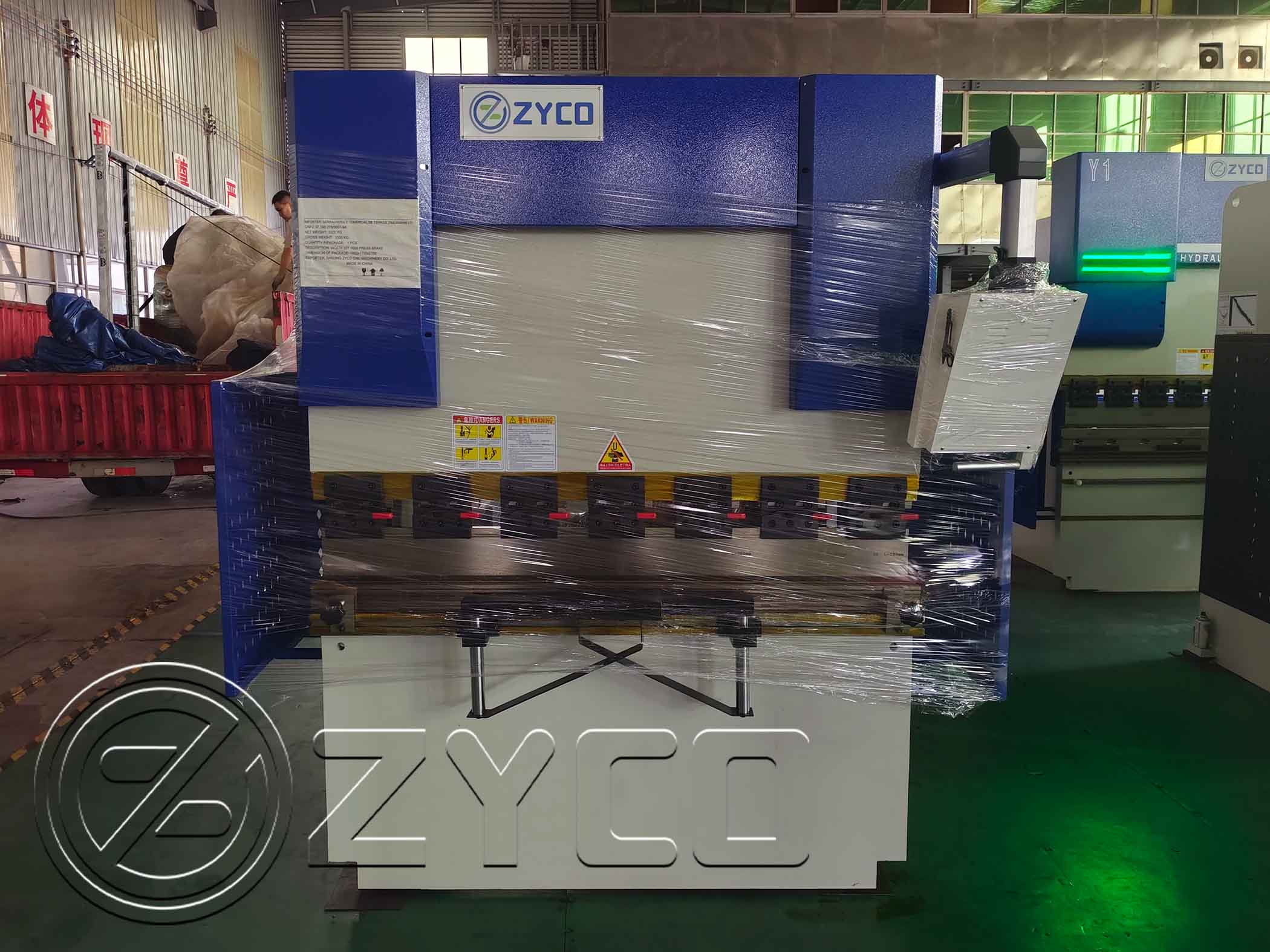
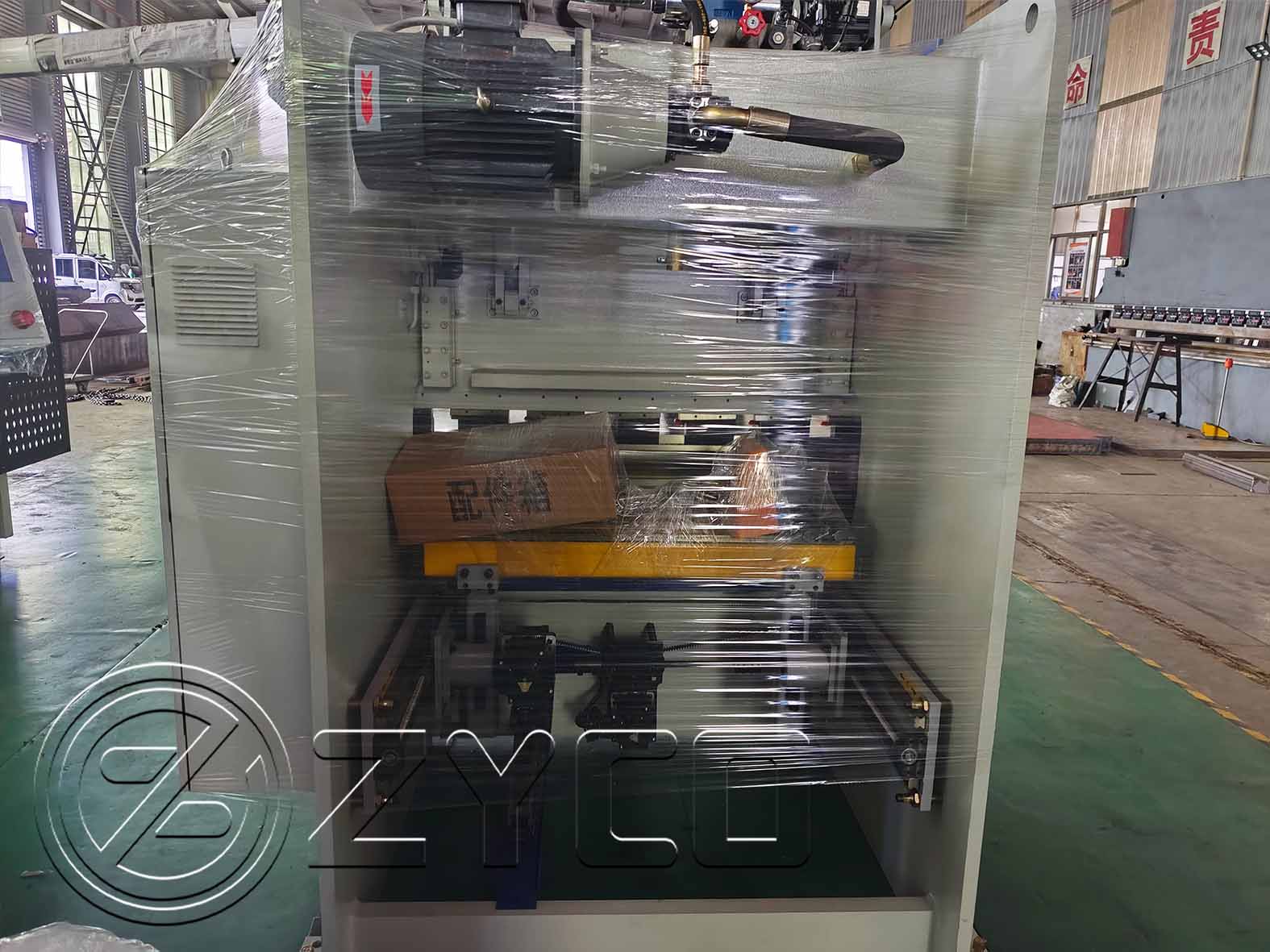
1) Wrap the machine with transparent plastic film and place desiccant in the electrical cabinet to prevent moisture and dust during sea transportation;

DE68T electro-hydraulic CNC bending machine


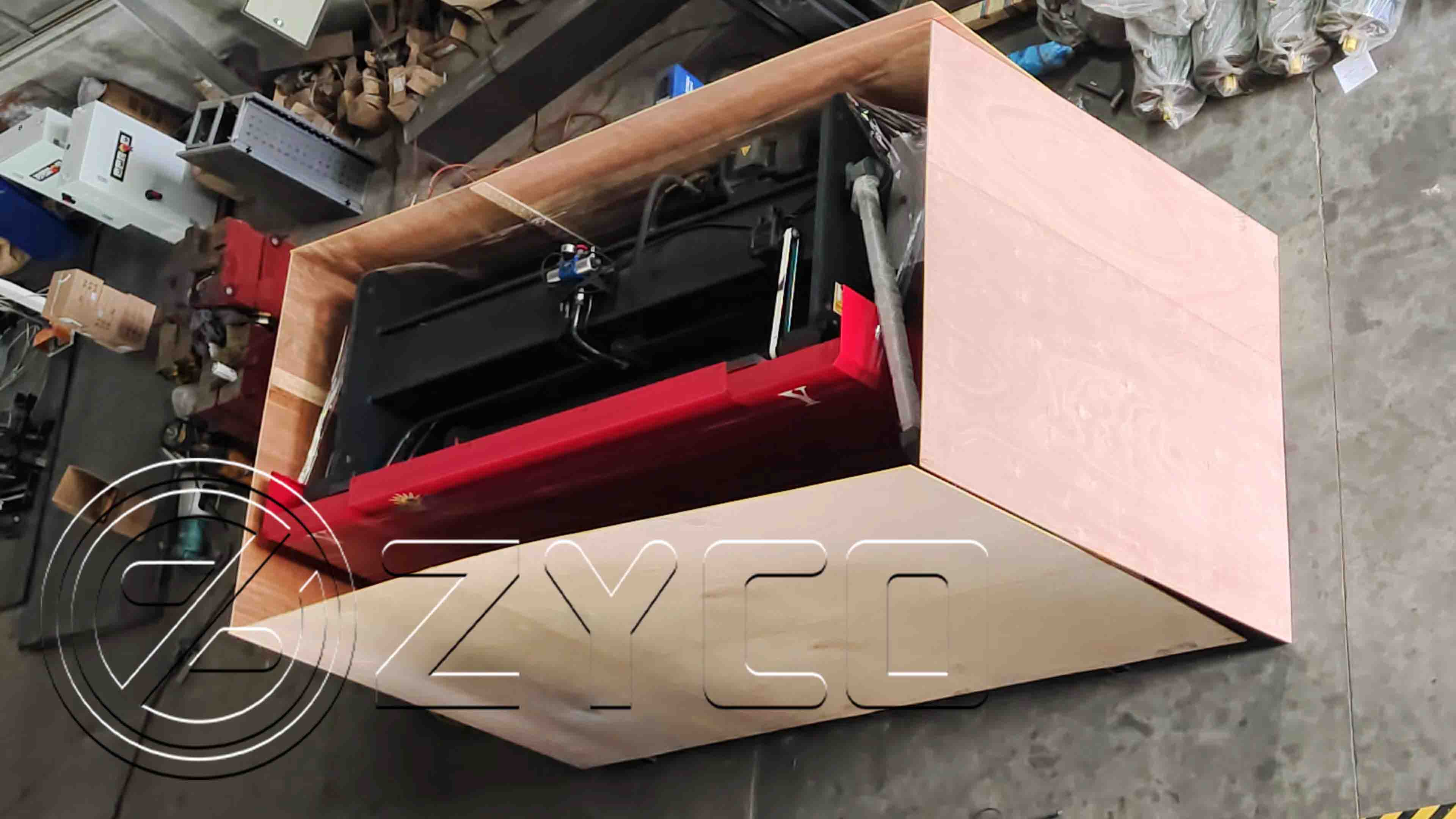
2) Customize wooden boxes for the machines to ensure they are reliably protected during long-distance transportation;

4 Axis aluminum profile bending machine


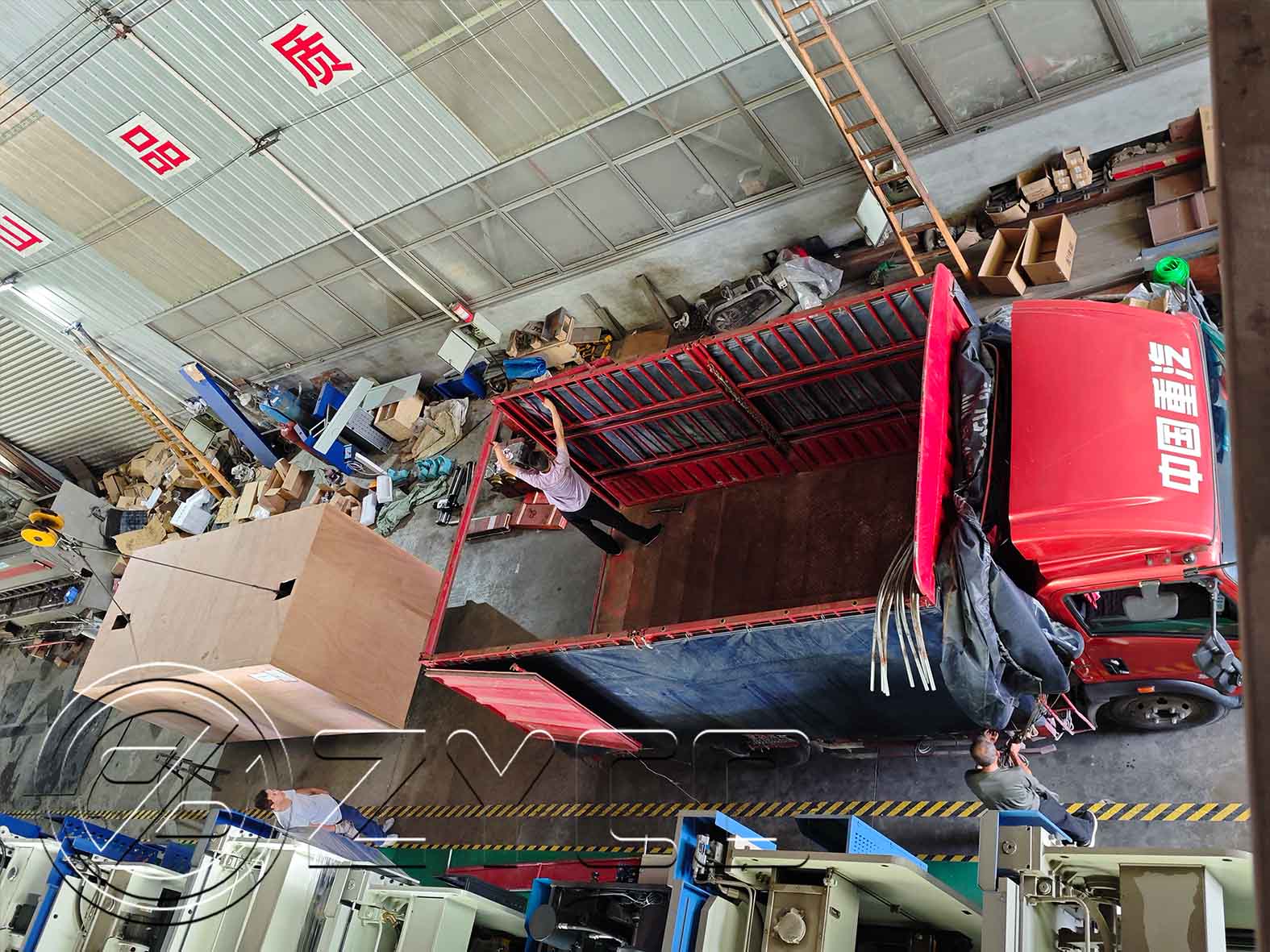
3) Carefully load the wooden boxes onto the truck using a crane;

Copper plate pure electric press brake


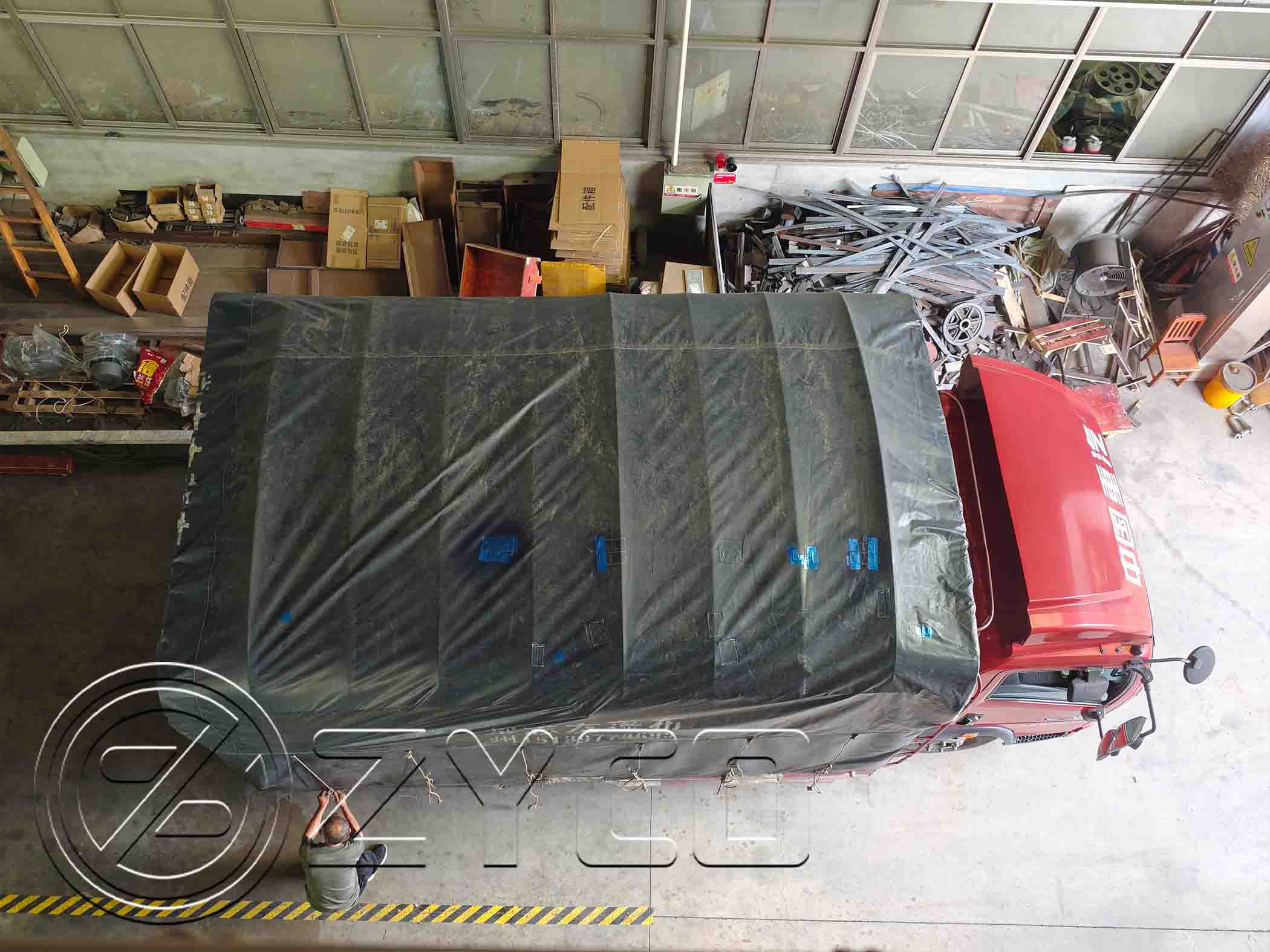
4) Cover with rainproof cloth, prevent rain during transportation;

40-600t CNC bending machine


5) The truck will deliver the wooden boxes to the warehouse designated by the freight forwarder, and the freight forwarder will arrange for the LCL shipment.


This can not only reduce the customer's transportation costs, but also ensure that the machine is not damaged during transportation.


2. FCL

When customers order multiple sheet metal processing equipment, or when a single piece of equipment is large, we will use full container shipping.

The full container load shipping process is more rigorous:


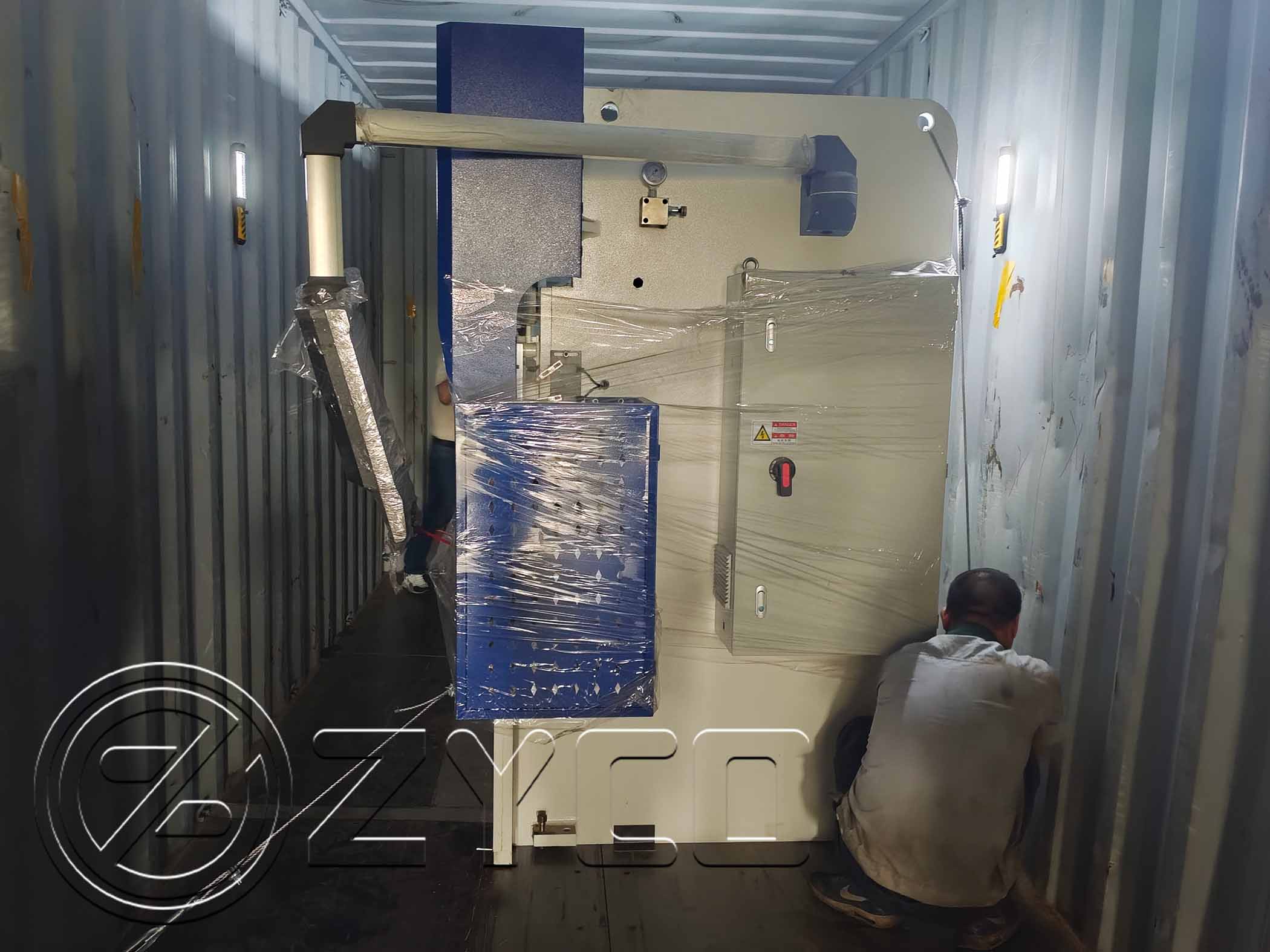
1) Wrap the machine with transparent plastic film and place desiccant in the electrical cabinet to prevent moisture and dust during sea transportation;

Hydraulic CNC Press Brake Machines


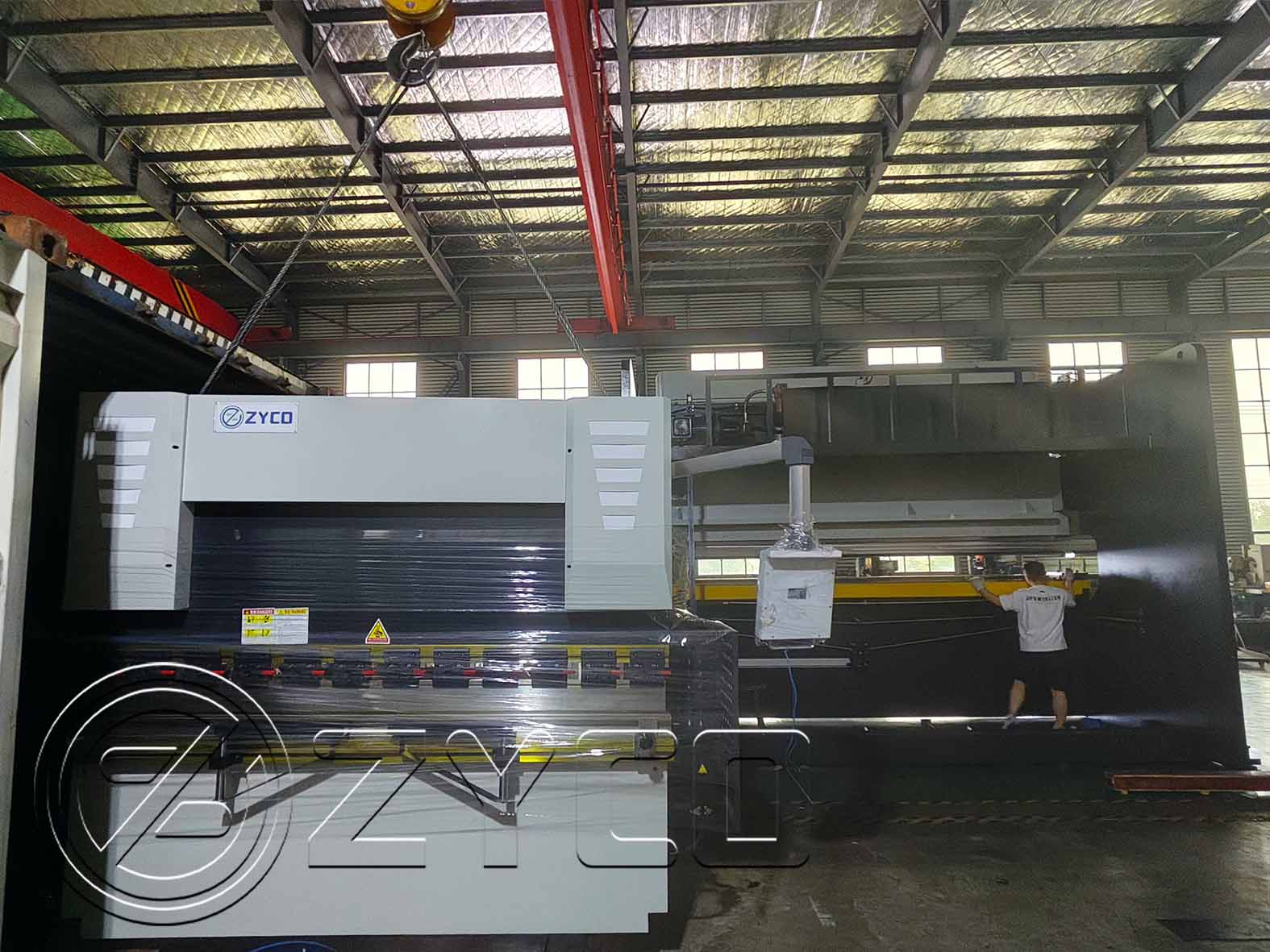
2) Operate the crane to lift the machine smoothly to the loading area, and assist the forklift to accurately place the front end of the equipment at the container door;

rolling bending machine


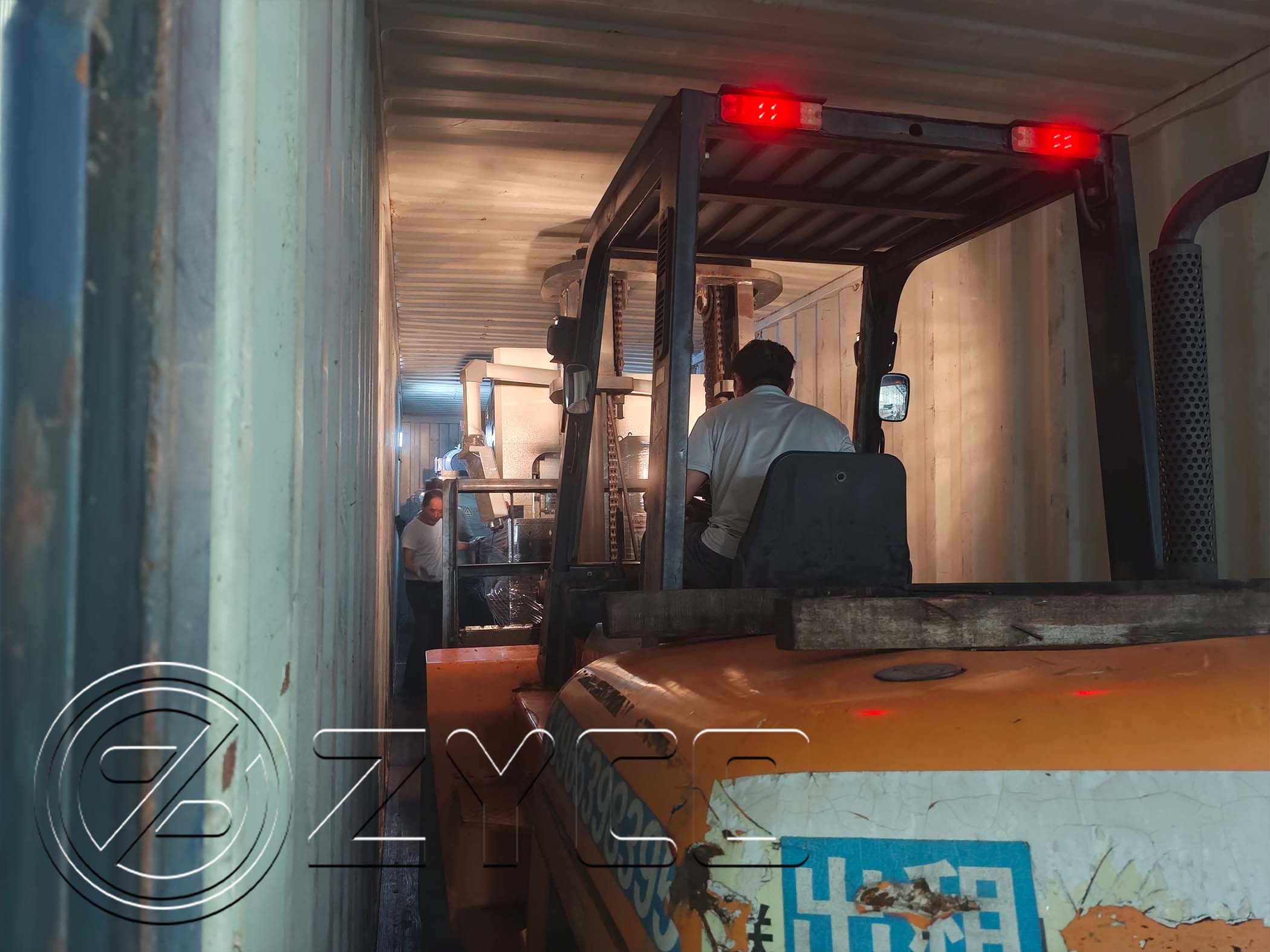
3) The forklift operator skillfully pushes the machine from the container door into the interior and places it in the appropriate position according to the pre-calculated plan to ensure maximum space utilization;

sheet metal rolling machine


4) Workers attach angle irons to the machine and tie the wire ropes tightly to ensure that the machine will not move or tilt during transportation;

6 axis stainless steel bending machine


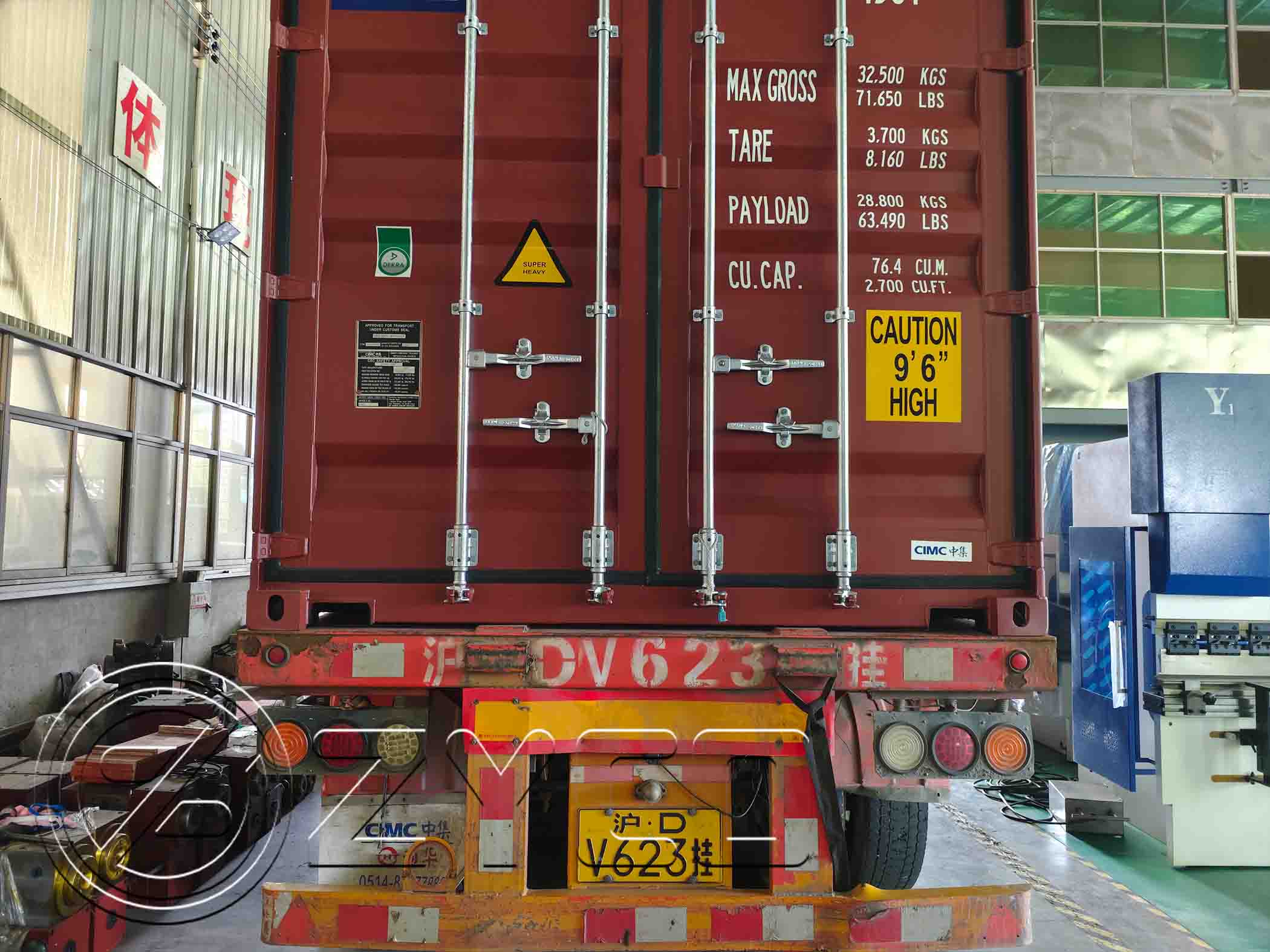
5) Close the cabinet door and lead seal it to ensure that no one else has opened it before the customer receives the machine;

Precision sheet metal bending machine


6) The truck will deliver the container to Shanghai Port, where the port will arrange for loading onto the ship and shipping by sea.


 This type of packaging and fixing method is particularly suitable for sheet metal processing equipment with heavy weight and large volume.


3. ZYCO Shipping Video


Summary

Whether it's LCL or FCL, we always prioritize the safe transportation of our machines. From packaging and loading to securing, we strictly control every step, ensuring that our customers receive their machines in perfect condition as soon as possible.


7 Key Advantages of Siboly Portable Air Coolers for Industrial & Commercial Cooling

Core Advantage

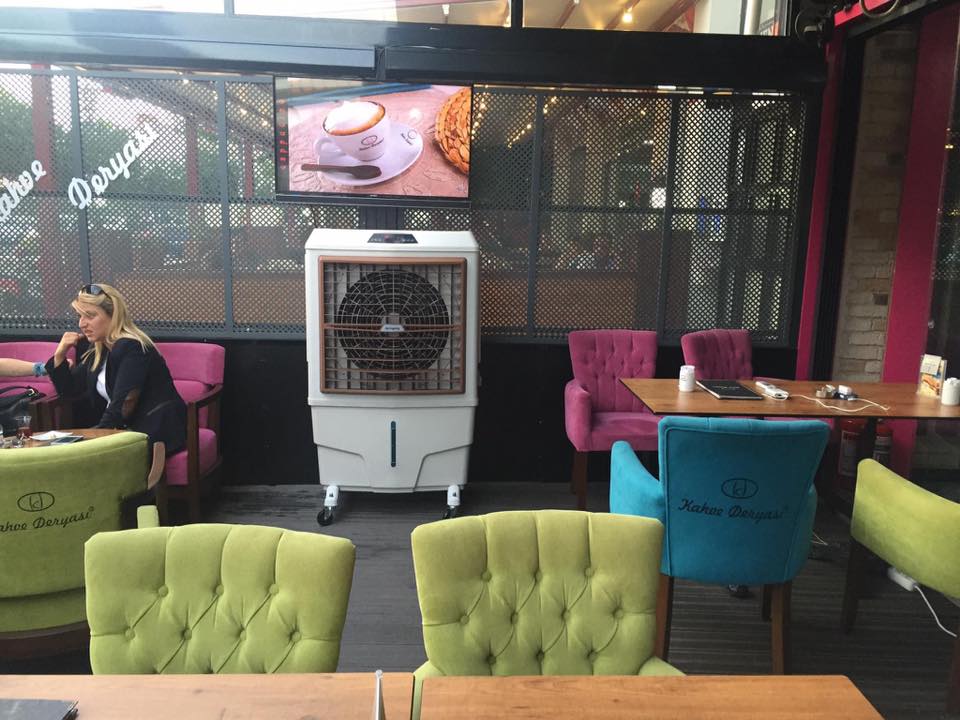
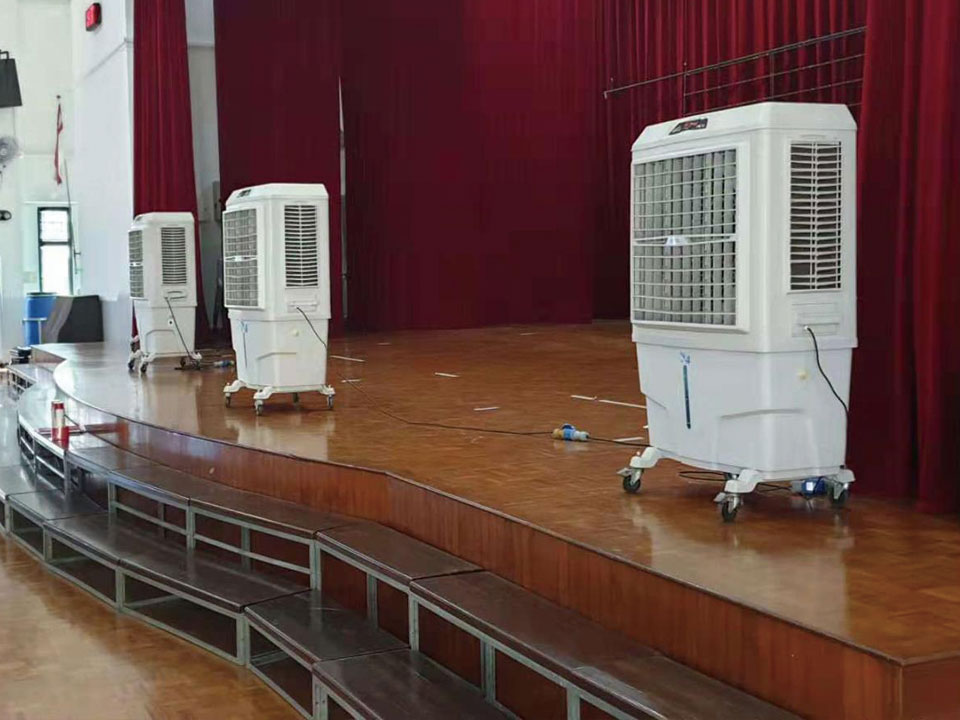
Siboly portable air coolers deliver industrial-grade cooling at 90% lower energy costs than traditional AC while maintaining air purityideal for warehouses, workshops, and commercial spaces.


Top 7 Advantages Backed by Engineering

1. Unmatched Energy Efficiency

380W Motor vs. 1.5KW+ AC systems (XZ13-080 model)

Cost Comparison:

Traditional AC: $2.25/hour

Siboly Cooler: $0.06/hour

Save $4,000+/year per unit (10 hrs/day operation)

 energy efficient workshop cooling

2. High-Capacity Climate Control

8,000 m³/h Airflow: Cools 50-70m² spaces

3-Speed Control: Adjust from gentle breeze to industrial-grade ventilation

85% Evaporative Efficiency (vs. 60-70% in consumer-grade units)

industrial portable air cooler advantages 

3. Advanced Air Purification

Triple-Layer Filtration System:

Pre-dust filter (captures large particles)

Cellulose cooling pads (natural humidification)

Optional HEPA upgrade (for allergen-prone environments)

Ideal for dusty workshops or food processing areas

8000 m³/h portable evaporative cooler 

4. Portability Redefined

Heavy-Duty Casters: Supports 32kg unit weight

Rotational Molding Housing: Impact-resistant PP material

Space-Saving Design: 1400×850×465mm footprint

low maintenance industrial air cooler 

5. Continuous Operation Capability

100L Oversized Tank: 12+ hours runtime (vs. 8L in consumer units)

Auto-Refill Compatibility: Connect to water lines for 24/7 use

high-capacity portable cooler 100L tank 

6. Smart Control & Monitoring

Remote control + digital display

Timer functions & humidity sensors

Low-water auto-shutdown protection

Siboly XZ13-080 performance review 

7. Industrial Durability

Corrosion-resistant components

IPX4 water-splash rating

5-year motor warranty

commercial evaporative cooler benefits 


Real-World Performance Data

Metric

Siboly XZ13-080

Standard Consumer Cooler

Coverage Area

70 m²

20 m²

Daily Water Consumption

80L

15L

Noise Level

≤62 dB

68-75 dB

Filter Replacement Cycle

6 months

2 months


Where Siboly Portable Coolers Excel

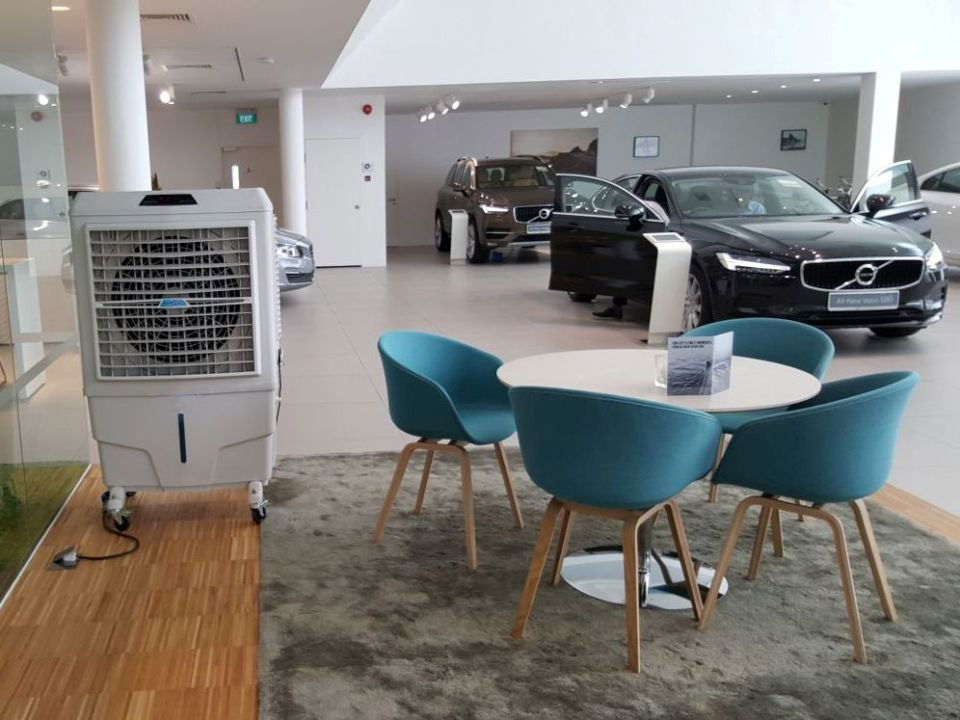
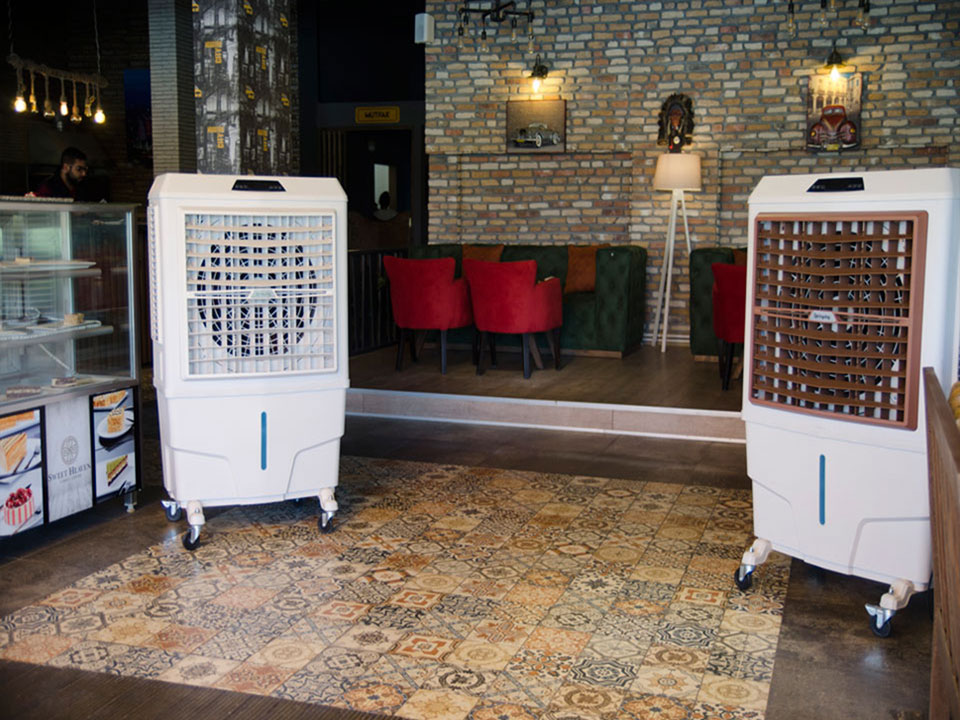
Warehouse Spot Cooling: Target heat zones near machinery

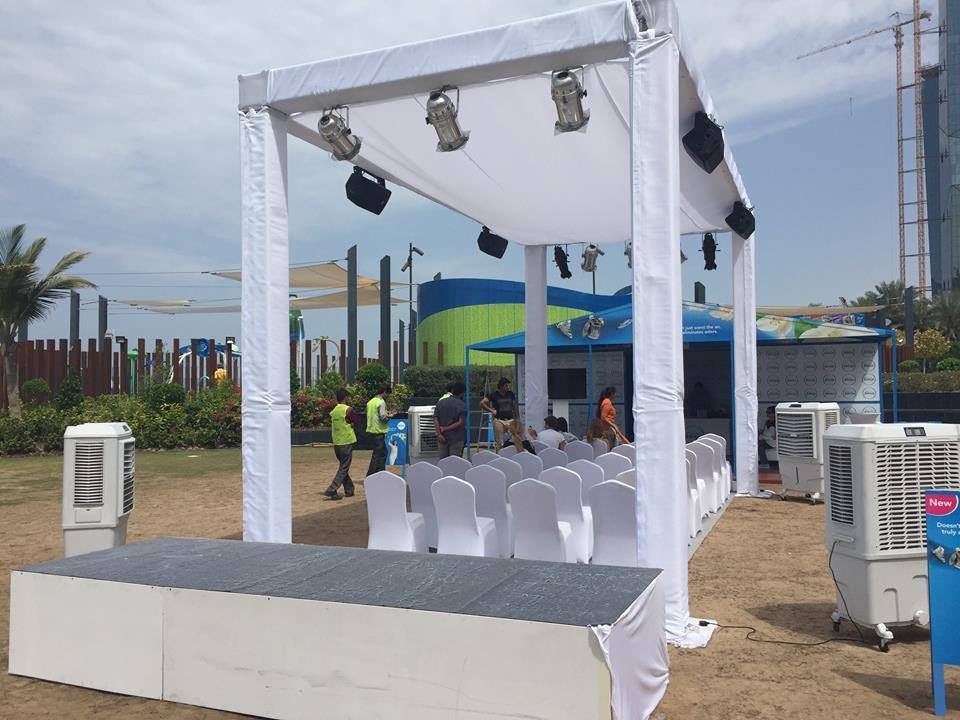
Event Spaces: Outdoor festivals or temporary shelters

Automotive Shops: Combat fumes + high-temperature tools

Commercial Kitchens: Reduce heat without grease-clogged filters

Case Study: Dubai logistics center cut cooling costs by 78% using 12 Siboly units vs. previous AC system.


Maintenance Made Simple

Monthly: Rinse cooling pads with water

Quarterly: Deep-clean filters (takes<15 mins)

Bi-Annual: Inspect motor bearings

No specialized technicians required

Core Power for Crystal-Clear Water The Next Generation of Shinhoo Pool Pumps

A swimming pool’s long-lasting clarity depends on more than just routine cleaning—it relies on the strength and stability of the pump at its heart. When facing extreme climates and harsh environments, only a pump built with durability, stable output, and extended service life can ensure water remains consistently pure. Shinhoo’s latest pool pumps, designed for demanding conditions, combine advanced engineering with innovative materials to provide a complete solution for pool water management.


Comprehensive Protection System

Shinhoo pool pumps are engineered with an IP55-rated fully sealed motor, capable of withstanding high-pressure water jets from any direction. Resistant to salt mist, heavy rain, and airborne dust, the pump is shielded by an integrated protective housing made of high-strength materials. This housing not only absorbs physical impact but also blocks UV damage, effectively extending the pump’s service life by up to 300%—outperforming industry standards.


Durable Hydraulic System

At the core of the overcurrent system is a fully polymer-based hydraulic module, eliminating metal-to-water contact and removing the risk of rust. High-performance composite materials have been tested with 2000 hours of salt spray exposure and 5000 corrosion cycles, ensuring complete resistance against aggressive water chemistry, including sodium hypochlorite oxidation. This level of protection guarantees water quality that meets drinking water standards.


Long-Life Sealing Technology

The pump employs silicon carbide seals with a Mohs hardness rating of 9.5—five times more wear-resistant than standard seals. An automatic dynamic compensation structure maintains precise sealing gaps, enabling over 10,000 hours of leak-free operation.


High-Efficiency Copper Core Motor

Every Shinhoo pool pump is powered by a 100% copper winding motor, offering 40% higher conductivity than aluminum alternatives. This results in a 25°C reduction in operating temperature and 30% lower energy losses. Built with vacuum varnish impregnation, F-class insulation (resistant to 155°C), and reliable performance in temperatures ranging from -20°C to 60°C, the motor is designed for consistent operation in all conditions.


Intelligent Operation and Maintenance

Shinhoo pool pumps integrate user-focused features that simplify daily maintenance:

A 3L oversized strainer basket with a 200-mesh fine filter captures microscopic debris, reducing cleaning frequency by 50%.

A self-priming lift of 2.5 meters allows flexible installation for underground or rooftop pools.

An ergonomic handle ensures single-handed installation, increasing efficiency by 60%.


Smarter, Greener Pool Pumping

Shinhoo’s innovation in pool pump technology also extends to digital control and energy savings. The digital pool pump options enable precise performance monitoring, while variable speed pool pump models allow users to optimize flow rates according to pool size, usage, and seasonal needs. By adjusting motor speed, these pumps consume significantly less power, making them the ultimate energy-efficient pool pump solution.


Where advanced material science meets precision engineering, Shinhoo delivers pumps that serve as the foundation of a healthy pool ecosystem. With unmatched durability, intelligent features, and sustainable efficiency, Shinhoo pool pumps are built to protect crystal-clear water—season after season, year after year.

Exploring the Secrets of CNC Hydraulic Shearing Machine

In the modern sheet metal processing industry, the position of shearing machines is irreplaceable. Whether it is automobile manufacturing, shipbuilding heavy industry, building structure, or home appliance production, precise cutting of metal sheets is a key process. Compared to traditional mechanical shearing machines, CNC hydraulic shearing machines, with their stable power systems and intelligent control, are becoming the industry's mainstream choice. Today, we'll explore the secrets of CNC hydraulic shearing machines and learn why they have become an industry favorite.


1. Classification of CNC hydraulic shearing machines

According to the different movement modes of the upper tool holder, CNC hydraulic shearing machines are mainly divided into two structures: Swing Beam type and Guillotine type.


Swing Beam Shearing Machine
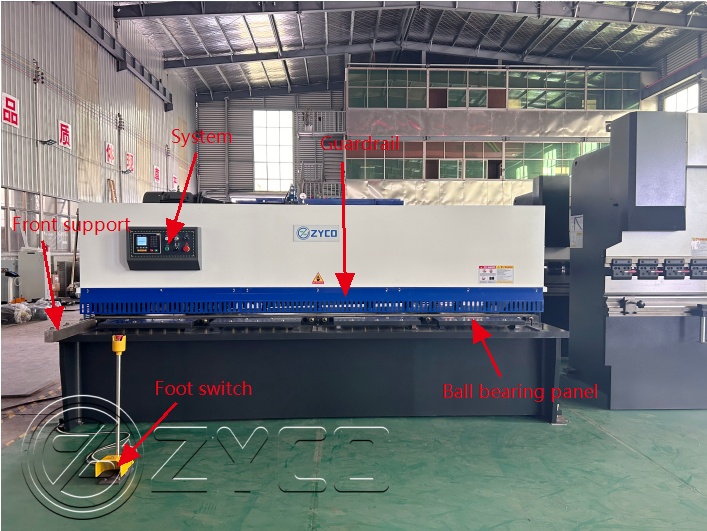
cnc hydraulic shearing machine


(1.System, used to input cutting dimensions and send operation instructions.

(2.Guardrail.

(3.Foot switch is the only tool for manual control of machine movement.

(4.Ball bearing panel for easy feeding.

(5.Front support, used to hold the sheared sheet.


Working principle: The upper tool holder swings in an arc around the fixed axis to complete the shearing.

Features: Simple structure, easy maintenance, low cost. Suitable for shearing medium-thin plates (generally less than 10mm). Easy to adjust the blade clearance, but the cutting accuracy is slightly lower than that of the guillotine type.

Typical applications: sheet metal processing plants, small and medium-sized steel structure enterprises.


Guillotine Shearing Machine
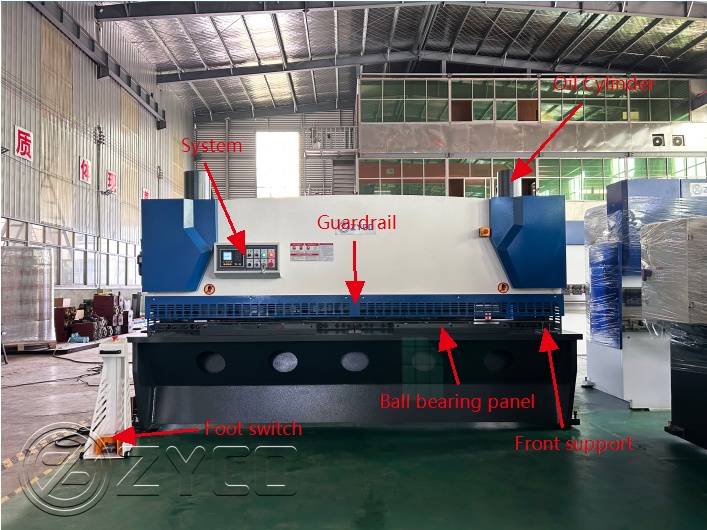
hydraulic shearing machine

(1.System, Used to input cutting size, adjust angle, flush oil, etc.

(2.Oil Cylinder, guillotine shearing machine cylinder is at the top of the machine.

(3.Guardrail.

(4.Foot switch is the only tool for manual control of machine movement.

(5.Front support, used to hold the sheared sheet.

(6.Ball bearing panel for easy feeding.


Working principle: The upper tool holder cuts in a straight line downward in a vertical or nearly vertical direction.

Features: Suitable for processing thick plates or those requiring high cutting accuracy. The shearing angle and the gap between the blades are adjustable, and the plate deformation is small.

Typical applications: shipbuilding, large steel structures, and precision sheet metal processing.

Summary: The swing beam type is suitable for pursuing economy and batch processing of thinner plates, while the guillotine type is more suitable for high-precision or thick plate cutting needs.


2. Advantages of CNC hydraulic shearing machine


(1. High Shearing Precision and Excellent Cut Quality

The hydraulic transmission system ensures uniform shearing force, reducing sheet warping and burrs.

The CNC system precisely adjusts the blade gap to accommodate materials of varying thicknesses.

The guillotine type machine has a smooth incision and little deformation.

(2. Convenient Operation, Significantly Improved Efficiency

The backgauge is CNC-adjustable, allowing for automatic positioning upon dimension input.

Multi-step programming supports continuous shearing of multiple specifications.

Significantly reduce manual errors and improve production efficiency.

(3. Adaptable to Various Processing Needs

Adjustable cutting angle and blade gap adapt to various materials, including carbon steel, stainless steel, and aluminum.

Suitable for production environments with frequent specification changes, shortening switching time.

(4. Sturdy Structure and Long Life

The frame is welded and tempered for strong deformation resistance.

Adopting imported seals and high-quality oil pump, it runs stably.

(5. High Safety Features

The hydraulic pressing device prevents the sheet from sliding.

Equipped with photoelectric protection and an emergency stop button, the machine ensures safe operation.


3. Wide range of application fields


CNC hydraulic shearing machines play an important role in many industries and meet diverse metal sheet processing needs.


Sheet metal processing: efficient shearing of components such as chassis, control cabinets and ventilation equipment.

Elevator manufacturing: Processing car wall panels, door panels and structural parts to ensure quality and safety.

Engineering machinery and power equipment: cutting cab covers, switch cabinets and key components of power transformation equipment.

Architectural decoration: cutting curtain wall panels and metal decorative materials, taking into account both aesthetics and durability.

Automobile and home appliance manufacturing: batch processing of body parts, brackets and home appliance casings.

New energy field: efficient cutting of structural parts such as wind power and photovoltaic brackets.


Conclusion


CNC hydraulic shears, with their high precision, intelligent control, and excellent safety features, have become indispensable equipment in modern sheet metal processing. In practical use, equipment stability and comprehensive service support are equally crucial. After many industry surveys and customer feedback, ZYCO CNC hydraulic shearing machine has won wide recognition for its reliable quality and excellent after-sales service. Choosing the right equipment not only improves production efficiency but also provides companies with a lasting competitive advantage.
What Is a Telescopic Belt Conveyor and How Does It Work?

In busy logistics hubs and warehouses, moving goods efficiently is a top priority. One tool that’s become increasingly important in this process is the telescopic belt conveyor. If you've ever seen a long conveyor sliding in and out of a truck like a giant mechanical arm, you've likely seen one in action. But what exactly is it, and how does it actually work?


Let’s break it down in a way that combines technical understanding with real-world application.


A Simple Definition

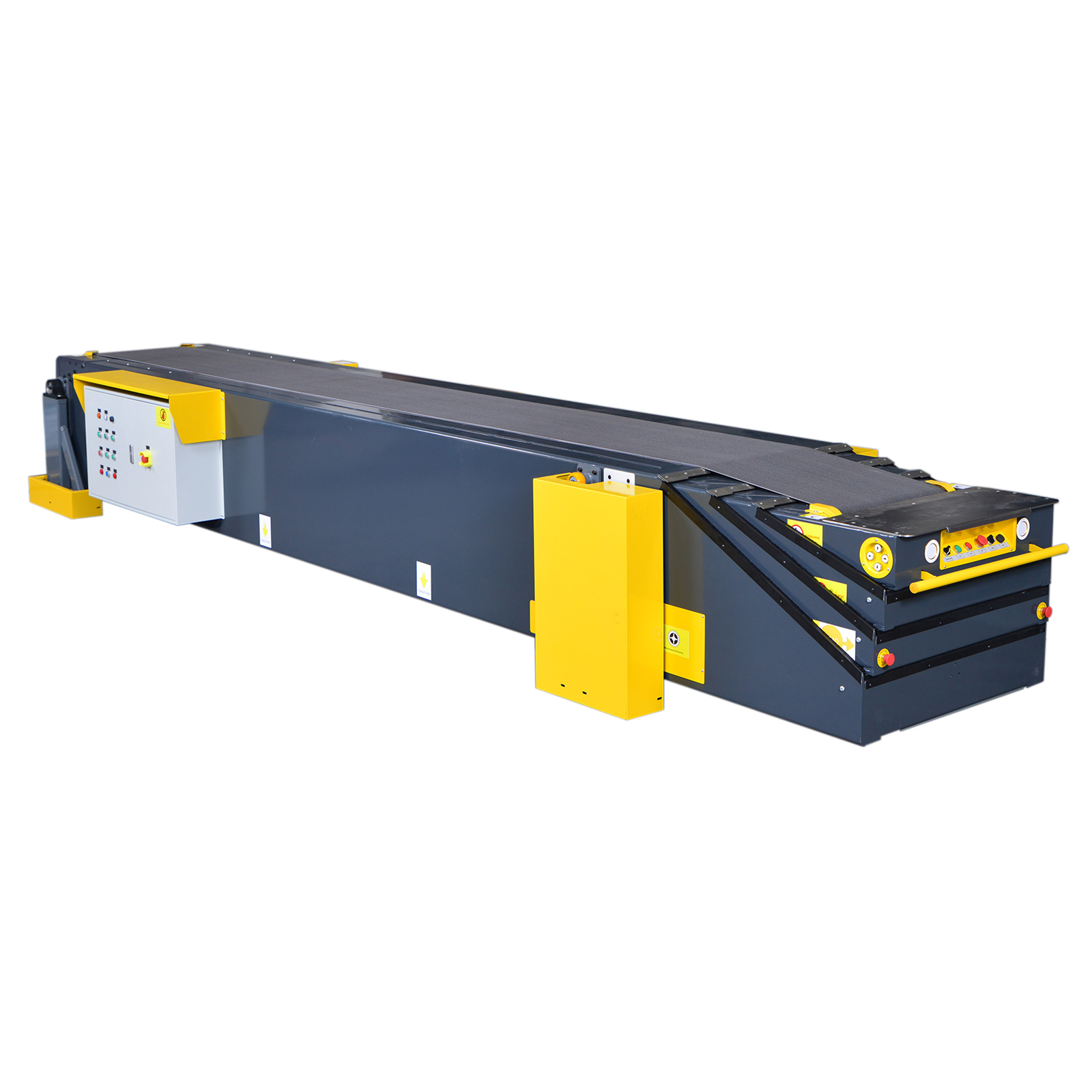
At its core, a 4 extension loading and unloading conveyor is a kind of conveyor system that can extend and retract, much like a telescope. This movement allows it to reach inside trucks or containers for easier loading and unloading. The design significantly reduces manual handling, improves safety, and speeds up operations.


In more technical terms, it's a multi-section conveyor where the nested sections slide out to extend the length. The belt moves continuously along these sections, even as the conveyor extends or contracts.


How Does It Work?

Now let’s get into the mechanics—without sounding like a textbook.


Imagine you’ve got a truck backed up to your dock. Instead of sending in workers to carry boxes one by one, you roll up the telescopic conveyor. At the press of a button (or using manual control in simpler models), the conveyor slides forward, reaching deep inside the truck.


The moving belt—usually made from durable rubber or PVC—carries boxes from the vehicle right into the warehouse or the other way around. Some models even let you adjust the height or tilt the conveyor to match different truck sizes or dock levels.


And when the job’s done? Just retract the conveyor back like a telescope and roll it away. Simple, right?


Key Features (from a Practical Viewpoint)

While tech specs matter, most warehouse managers care more about how it helps:

Adjustable length – So you can handle different truck sizes.

Height control – For aligning with containers or dock heights.

One-person operation – Reduces manpower costs.

Fast belt movement – Speeds up loading and unloading dramatically.

Safety mechanisms – Like emergency stop buttons and anti-slip belts.


Where Is It Used?

You’ll find mobile telescopic belt conveyors in a lot of places:

Logistics centers shipping thousands of parcels daily

Online retail fulfillment hubs (think e-commerce giants)

Courier and express parcel services

Airports, for baggage handling

Warehouses and storage facilities


Basically, if there are goods constantly coming in and going out, a telescopic conveyor makes the job smoother.


Why Are Telescopic Belt Conveyors So Popular?

Now, let’s get real. Time is money—and in logistics, wasted time equals wasted revenue. A conveyor that extends into a truck eliminates time-consuming, back-breaking labor. Not to mention, it cuts down the chance of workplace injuries.


From a formal point of view, telescopic conveyors are recognized as effective solutions for enhancing logistics productivity, operational safety, and space optimization.


And let’s not forget the long-term cost savings. Fewer injuries mean fewer insurance claims. Faster operations mean quicker turnaround. That’s good news for your bottom line.


Whether you’re running a small warehouse or managing a large distribution center, investing in a telescopic belt conveyor can seriously streamline your operations. It's not just a piece of equipment—it’s a way to modernize your entire loading process.


So next time you’re stuck waiting on slow, manual unloading? Just imagine how a telescopic conveyor could slide right in and change everything.
Telescopic Belt Conveyor

A Guide to Choosing A Suitable Tiger Shear

Selecting a suitable tiger shear is crucial for efficient metal recycling and processing. Here are some key factors to consider.


Clarify Your Needs

First, assess the type of materials you'll be shearing. Is it thin - gauge steel, thick metal plates, or various metal alloys? For instance, if you often deal with thick industrial - grade steel, you'll need a shear with high - tonnage capacity. Additionally, consider the volume of work. High - volume operations require a shear that can handle continuous use without frequent breakdowns.


Shearing Capacity

Tiger shears come in different tonnage ratings. The tonnage indicates the maximum force the shear can exert. To determine the right capacity, measure the thickness and hardness of the materials you'll be cutting. A general rule is that harder and thicker materials demand a higher - tonnage shear.


Blade Quality

The blades are the heart of the tiger shear. For regular use with common metals, high - carbon steel blades can be sufficient. However, if you're working with special alloys or very hard metals, invest in blades made of more durable materials, such as alloy steel or even imported blades, which can resist wear and maintain sharpness longer.


Optional Features

Some shears offer features like adjustable shear angles, which can be useful when you need to cut materials at specific angles. Others may have automated feeding systems, reducing labor and improving productivity. Consider whether these features align with your workflow and budget.

By carefully evaluating these aspects, you can choose a tiger shear that meets your needs, boosts productivity, and ensures long - term cost - effectiveness in your metal - processing operations.

Metal Briquetting Machines Turning Scrap into Solid Value

In the bustling world of metalworking and recycling, mountains of loose scrap — tangled chips, shavings, turnings, and filings — pose logistical, economic, and environmental challenges. Enter the metal briquetting machine: an industrial powerhouse that transforms chaotic waste into dense, manageable briquettes, unlocking efficiency and sustainability.  


 What is a Metal Briquetting Machine?  

A metal briquetting machine uses extreme hydraulic or mechanical pressure to compact loose metal scraps into solid, high-density blocks or "briquettes." Think of it as a giant press that squeezes fistfuls of aluminum spaghetti or steel wool into neat, brick-like units. This process typically involves:  

1.  Feeding: Scrap is loaded into a hopper.  

2.  Compaction: A hydraulic ram exerts force (often 100–3,000+ tons), compressing metal against a rigid mold.  

3.  Ejection: The formed briquette is pushed out, ready for handling.  


 Materials Processed  

These machines handle diverse metals, including:  

- Ferrous: Steel, cast iron, stainless steel turnings.  

- Non-Ferrous: Aluminum, copper, brass, bronze chips.  

- Exotic Alloys: Titanium, nickel-based superalloys (common in aerospace).  

Note: Lubricants/coolants in chips are often expelled during compaction and can be filtered/recycled.  


 Key Benefits: Why Briquetting Matters  

1.  Volume Reduction:  Briquettes occupy up to 90% less space than loose scrap. This slashes storage and transport costs dramatically.  

2.  Value Recovery: Briquettes are "clean metal" with minimal oxidation. Mills and foundries pay 15–30% more for briquettes vs. loose scrap due to ease of melting, reduced slag, and higher yield.  

3.  Safety & Cleanliness: Eliminates slippery, hazardous piles of sharp chips. Reduces fire risks (especially with oily swarf) and improves workshop hygiene.  

4.  Environmental Compliance: Prevents toxic coolant runoff. Lowers carbon footprint via efficient transport and recycling.  

5.  Recycling Efficiency: Briquettes melt faster and more uniformly in furnaces, saving energy (20–30% less energy per ton in remelting).  


 Industries Served  

- Automotive: Machining plants generating tons of aluminum/steel chips.  

- Aerospace: Recycling high-value titanium and Inconel waste.  

- Metal Foundries: Handling returns, gates, and risers.  

- Recycling Centers: Processing mixed scrap streams efficiently.  


 Types of Briquetters  

- Vertical Hydraulic: High-pressure, ideal for tough materials (steel, stainless steel).  

- Horizontal Hydraulic: Easier integration into conveyor systems for high-volume chips.  

- Mechanical (Punch & Die): Faster cycle times for softer metals like aluminum.  


 The Bottom Line  

Metal briquetting machines are more than just compactors — they are profit centers and sustainability engines. By converting waste into a premium commodity, they deliver rapid ROI (often under 2 years) while supporting circular economy goals. In an era where resource efficiency and ESG metrics are paramount, briquetting technology proves that one industry’s trash is truly its own treasure.  


Investing in a briquetter isn't just about managing scrap; it's about reclaiming value, space, and responsibility — one solid briquette at a time.

The Compelling Advantages of Metal Baling Machines

In the demanding world of scrap metal recycling and industrial operations, efficiency, safety, and cost control are paramount. Metal baling machines emerge as indispensable tools, transforming loose, cumbersome scrap into dense, manageable packages. Their advantages significantly enhance operational workflows and profitability:


1.  Massive Volume Reduction & Space Savings: This is the most immediate and impactful benefit. Baling machines exert immense hydraulic pressure (often hundreds or thousands of tons) to crush and compress bulky scrap metal – think shredded cars, sheet metal offcuts, wire, cans, or turnings – into compact, rectangular bales. This drastically reduces the volume, sometimes by ratios of 10:1 or more. The result is vastly reduced storage footprint requirements, freeing up valuable factory or yard space for other activities and minimizing the sprawling, hazardous piles of loose scrap.


2.  Optimized Transportation & Logistics: Dense, uniform bales are exponentially easier and more cost-effective to handle, stack, and transport compared to loose scrap. They maximize payload capacity on trucks, railcars, and shipping containers, significantly reducing the number of trips required. This translates directly into substantial savings on freight costs, fuel consumption, and associated emissions. Bales are also stable and secure during transit, minimizing spillage and safety hazards.


3.  Enhanced Material Handling Efficiency: Bales are designed for mechanized handling. Forklifts and cranes can effortlessly move, stack, and load these uniform blocks. This eliminates the labor-intensive, slow, and often dangerous process of manually moving or shoveling loose, sharp, and heavy scrap metal. Loading and unloading times at processing facilities or mills are dramatically reduced, streamlining the entire supply chain.


4.  Improved Workplace Safety: Loose scrap metal presents significant hazards: sharp edges, protruding wires, instability causing collapses, and heavy lifting injuries. Baling mitigates these risks. The compact bales have fewer exposed sharp points, are stable when stacked, and can be handled mechanically, keeping workers at a safer distance from the material itself. This creates a significantly safer working environment.


5.  Increased Material Value & Marketability: Mills and foundries prefer dense, consistent bales. They are easier to feed into furnaces, melt more efficiently due to reduced surface oxidation, and often yield higher purity melt results. This consistency and ease of processing make baled scrap a more desirable commodity, potentially commanding better prices in the market compared to loose, mixed, or contaminated loads.


6.  Reduced Labor Costs: Automating the compaction process significantly reduces the manual labor required for gathering, moving, and loading scrap. While the machine requires operation, it replaces numerous laborers engaged in physically demanding and hazardous tasks, leading to long-term labor cost savings.


7.  Environmental & Site Benefits: By minimizing loose scrap piles, baling reduces the risk of environmental contamination from rust, fluids (trapped within appliances/vehicles), or wind-blown debris. It also presents a much tidier, more organized, and professional appearance for any scrap yard or industrial site.


In essence, metal baling machines are not just compactors; they are strategic assets that drive efficiency, safety, and profitability throughout the scrap metal lifecycle. By transforming chaotic waste into a valuable, dense commodity, they deliver tangible benefits in space utilization, transportation economics, labor costs, safety standards, and ultimately, the bottom line. For any operation handling significant volumes of scrap metal, a baler is an investment that pays for itself many times over.metal baling machines

Textile dyeing fastness testing methods and their importance

1. Basic Concepts of Color Fastness in Textiles


Color fastness, in simple terms, refers to the ability of textiles to maintain their color stability during use. It encompasses multiple aspects, including resistance to washing, friction, light, sweat, sweat stains, and sunlight exposure. Different color fastness indicators represent how textiles perform under various environmental conditions. For example, washing fastness refers to the degree of color change after repeated washing of garments; while lightfastness reflects the degree of color fading under sunlight.

The quality of colorfastness directly impacts the product's lifespan and aesthetic quality. If colorfastness is insufficient, issues such as color bleeding, discoloration, or fading may arise, which not only affect appearance but may also lead to customer dissatisfaction or returns. Conducting scientific and standardized colorfastness testing has become a standard practice within the industry.


2. The Process and Standards for Color Fastness Testing


Color fastness testing typically follows national or industry-established standards to ensure the scientific rigor and comparability of the testing process. The general process consists of four main steps: sample preparation, setting test conditions, actual testing, and evaluation of results.


(1) Sample Preparation: Representative samples are selected from a batch to ensure that test results reflect overall product quality. Samples should be cut and marked according to specifications to avoid contamination or damage.

(2) Test Condition Setup: Appropriate standards and methods are selected based on the test requirements. For example, water resistance testing may follow the washing procedures specified in national standards, while lightfastness testing uses specific light sources and exposure times.

(3) Actual Testing: Conduct tests on samples in a strictly controlled laboratory environment following standard procedures. For example, simulate real-life conditions such as washing, friction, and exposure to sunlight, and observe changes in sample color.

(4) Result Evaluation: Use professional color difference meters or visual comparison for assessment. Colorfastness grades are assigned according to standard classifications, where “Grade 1” indicates excellent colorfastness and “Grade 5” indicates poor colorfastness.


3. The Importance of Color Fastness Testing for Textiles


(1) Textiles with poor color fastness often experience dye shedding, and some low-quality dyes may enter the human body through skin contact or the respiratory tract, causing allergies, inflammation, or even long-term health risks. Testing can indirectly screen out products where dyes are firmly bonded to fibers, reducing the risk of harmful substance release.

(2) Colorfastness testing can precisely identify issues in production, such as improper dye selection during dyeing or incorrect fixation process parameters (e.g., poor temperature or pH control). Companies can adjust their processes based on test results to improve product stability and reduce batch defect rates.

(3) Outdoor clothing requires lightfastness, medical textiles require disinfectant resistance, and sportswear requires sweat-light composite colorfastness. These specialized testing requirements drive companies to develop targeted dyeing technologies, thereby enhancing product value and market competitiveness.

Textile colorfastness testing not only ensures basic quality and safety but also promotes industry upgrading and trade facilitation. Its importance spans the entire lifecycle of a product, from production to consumption, making it a crucial pillar for the high-quality development of the textile industry.

Email: hello@utstesters.com

Direct: + 86 152 6060 5085

Tel: +86-596-7686689

Web: www.utstesters.com