Granules Vacuum Loader Propelling Injection Molding into the Era of Flexible, High-Purity Production

As the global injection molding industry navigates evolving consumer demands, stringent quality standards, and the rise of niche applications, the granules vacuum loader has emerged as a linchpin for modern manufacturing. This versatile equipment not only streamlines material handling but also addresses critical challenges in precision, flexibility, and sustainability—positioning manufacturers to thrive in a post-COVID landscape defined by customization and rapid innovation.

Industry Shifts Redefining Material Handling Requirements

The injection molding sector, projected to reach $520 billion by 2028 with a CAGR of 4.5%, is driven by three transformative trends that demand advanced material handling solutions:


  1. Mass Customization and Small-Batch Production
    The rise of e-commerce and personalized products (e.g., automotive interior components, medical device housings) requires machines that adapt to frequent material changes. Vacuum loaders with quick-release hoppers and anti-cross contamination designs (e.g., 316L stainless steel contact surfaces) enable seamless switching between polymers like ABS, PC, and recycled PET, reducing changeover time by 30%.
  2. High-Purity Requirements for Critical Applications
    In industries such as healthcare and electronics, even microamount contamination can render products defective. Vacuum loaders equipped with 0.1-micron filters and anti-static conveying hoses ensure materials like PEEK (for surgical implants) and LCP (for 5G connectors) remain free of particulates or moisture, meeting ISO 13485 (medical) and IPC-A-610 (electronics) standards.
  3. Energy Efficiency and Carbon Neutral Goals
    With energy costs accounting for 25% of manufacturing expenses, loaders integrated with regenerative drive systems (reducing energy use by 40%) and variable frequency drives (VFD) are becoming essential. For example, JUBAO’s energy-saving models achieve a COP of 5.5, surpassing EU ErP 2025 regulations.

Innovations: How Modern Vacuum Loaders Solve Industry Pain Points

Leading manufacturers are delivering solutions that blend cutting-edge technology with practical functionality:

1. Smart Integration for Real-Time Control

  • IoT-Enabled Monitoring: Systems like Yushine’s Cloud-Connected Vacuum Loader transmit data on material flow, filter status, and energy consumption to a centralized platform, enabling predictive maintenance and reducing unplanned downtime by 40%.
  • PLC Compatibility: Seamless integration with injection molding machines (e.g., Haitian、Demag) ensures synchronized operation, optimizing cycle times by 15%.

2. Flexibility for Diverse Material Types

  • Dual-Mode Conveying: Models such as the High-Capacity Autoloader for Mixed Granules handle both dense polymers (e.g., nylon) and lightweight recycled flakes, with adjustable suction pressure to prevent material degradation.
  • Modular Design: Quick-swap components (e.g., hoppers, filters) allow easy adaptation to different production lines, ideal for contract manufacturers servicing multiple industries.

3. Safety and Compliance at the Core

  • Explosion-Proof Solutions: ATEX-certified loaders for flammable materials (e.g., styrene in composite production) feature spark-resistant interiors and pressure-relief valves, ensuring operator safety in hazardous environments.
  • Food & Pharma Compliance: FDA-approved vacuum loaders with smooth-surface stainless steel construction meet strict hygiene standards for packaging baby bottles and pharmaceutical trays.

Case Study: Optimizing Production at MED-PLAST Innovations

MED-PLAST, a medical device manufacturer, faced challenges with moisture absorption in PEEK granules and cross-contamination during material changes. By adopting CE/FDA-Certified Vacuum Loaders with integrated dehumidification modules and magnetic separators, they achieved:


  • 100% reduction in particulate contamination, passing USP 87 biocompatibility tests.
  • 20% faster material changeovers via quick-release clamps and color-coded component kits.
  • 30% lower energy costs through VFD technology, aligning with their carbon neutral targets.

The Path to Future-Proof Manufacturing

As the industry moves toward zero-defect production and circular supply chains, granules vacuum loaders will evolve to meet three key demands:


  1. AI-Driven Optimization: Machine learning algorithms will analyze material characteristics (e.g., particle size, humidity) to auto-adjust conveying parameters, minimizing waste and improving part consistency.
  2. Sustainable Design: Loaders constructed with recycled materials (e.g., rPET housing) and energy recovery systems will become standard, supporting global ESG goals.
  3. Nano-Level Precision: For emerging applications like micro-molding (components <1mm), vacuum loaders with ultrasonic sensors and vibration-damping technology will enable unprecedented control over material flow.

Why Now is the Time to Upgrade

In an era where quality, speed, and sustainability are non-negotiable, investing in a future-ready granules vacuum loader is no longer optional. Solutions like Yushine’s multi-functional autoloaders and JUBAO’s explosion-proof series offer the adaptability and compliance needed to excel in high-stakes markets.

How to select an air-cooled water chiller suitable for a specific application?

Choosing an air-cooled chiller suitable for a specific application requires comprehensive consideration of core factors such as the cooling requirements, environmental conditions, and equipment characteristics of the scenario. Here is a detailed guide and key considerations:


1. Clarify Core Cooling Parameters


Cooling Capacity Matching

Calculate the required cooling capacity (in kW or HP) based on the heat dissipation needs of the equipment or process to avoid "overcapacity" or insufficient cooling.

For example: Small laser marking machines require 5-10HP units, while large injection molding machines may need 50HP or more.

Reference formula: Cooling capacity (kW) = Equipment power (kW) × Heat dissipation coefficient (usually 0.6-0.8, adjusted by equipment type).


Temperature Control Precision

High-precision scenarios (e.g., medical equipment, semiconductor crystal growth) require models with ±0.5℃ accuracy or better.

General industrial scenarios (e.g., plastic molding) can suffice with ±1-2℃ precision.


2. Adapt to Environmental Conditions


Ambient Temperature

For high-temperature environments (e.g., tropical regions, workshops with multiple heat sources), choose "high-temperature resistant" units that operate stably at 40-45℃.

For low-temperature environments (e.g., outdoor cold zones), select models with "low-temperature startup" or "anti-freeze protection" functions.


Installation Space and Ventilation

In confined spaces (e.g., laboratories, rooftops), prioritize compact, modular units. Ensure the cooling fan has sufficient ventilation space (at least 1.5 meters from obstacles).

Outdoor installations require rainproof and dustproof designs; coastal areas need stainless steel models resistant to salt spray corrosion.


Special Environmental Requirements

Explosive environments (e.g., chemical workshops, oil and gas industries) require explosion-proof units with ATEX or IECEx certification.

Clean environments (e.g., food processing, pharmaceuticals) need fully closed circulation and leak-proof designs to avoid material contamination.


3. Align with Application Scenario Characteristics


Industrial Manufacturing

Injection Molding/Extrusion: Choose units with "load fluctuation adaptation" (to handle transient heat changes during mold opening/closing). Screw compressors are recommended for durability.
 
Welding/Cutting Equipment: For short-term, high-frequency heat dissipation, select "rapid cooling" models with buffer tanks to prevent temperature fluctuations.


Precision Instruments

Laser Equipment: Lasers are temperature-sensitive; choose "low-vibration, low-noise" models (to avoid disrupting optical stability) with flow control precision ≤±2L/min.

Medical Equipment (e.g., MRI, CT): Requires medical certifications (e.g., ISO 13485), oil-free compressors (to prevent contamination), and 24/7 continuous operation capability.


Commercial and Special Scenarios

Small Ice Rinks/Cold Storage: Select low-temperature units (outlet temperature 0-5℃) with high-efficiency heat exchangers.

Data Centers: Need redundant design (N+1 backup), remote monitoring, and intelligent load adjustment (to match server heat fluctuations).

Introduction to Different Types of Crushers and Their Applications

In various fields such as industrial production and resource recycling, crushers play a crucial role. Different types of crushers are suitable for different materials and production requirements. Here are several common types of crushers introduced to you.

Shredder


Shredders are usually used to break down larger - sized materials into smaller pieces or blocks. Their blades are robust and durable, capable of handling hard and large - volume items such as waste wood, rubber tires, and plastic barrels. In the waste recycling industry, shredders can initially crush these waste materials for further processing and utilization.

Plastic Crusher


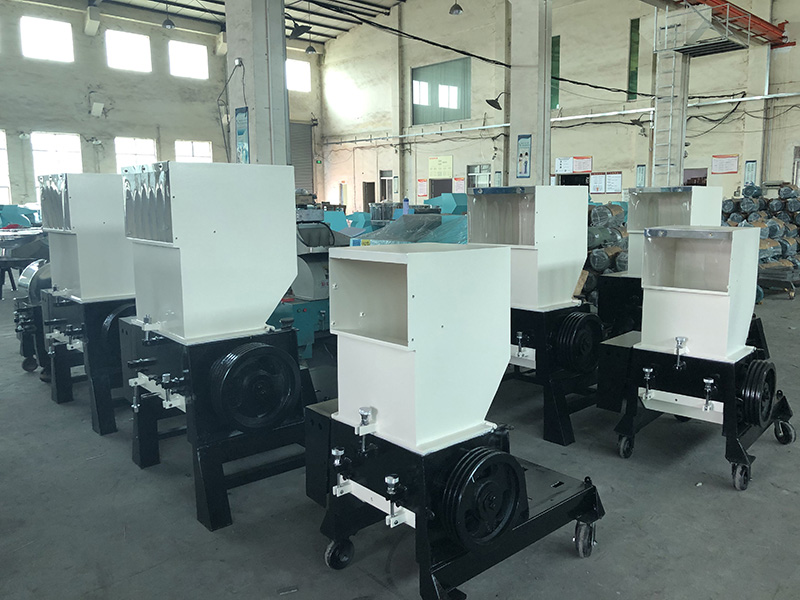
As the name implies, this type of crusher is specialized in handling various plastics. From discarded plastic bottles, plastic films to plastic product scraps, plastic crushers can grind them into small particles, which can be reused in plastic recycling production, providing support for the circular economy in the plastic industry.

Vertical Crusher


Vertical crushers have a unique vertical structure design. They are suitable for crushing brittle materials and are widely used in fields such as ore processing and chemical raw material crushing. Materials enter from the upper feed inlet, are impacted and ground by high - speed rotating components inside the machine, and finally, the crushed materials are discharged from the lower outlet.

Silent Crusher


For places with high requirements for noise control, silent crushers are an ideal choice. They adopt special noise - reduction designs, generating relatively low noise during the crushing process. They are often used in laboratories, small - scale factories, etc., which have high requirements for the working environment, and can handle materials such as electronic components and small plastic products.

Pipe Crusher


Designed specifically for pipe - like materials, whether it is PVC pipes, PE pipes or metal pipes, pipe crushers can effectively crush them. Through specific cutter configurations and crushing chamber designs, pipes can be quickly cut and crushed into appropriate sizes for subsequent recycling or reprocessing.

Low - speed Crusher


Low - speed crushers operate at a relatively low speed, generating less heat during the crushing process. They are suitable for processing materials that are sensitive to temperature, such as certain chemicals and food raw materials. At the same time, low - speed operation also reduces dust flying during the crushing of materials, which is beneficial for maintaining a clean working environment.


Understanding these different types of crushers can help various industries select appropriate equipment according to their own production needs and material characteristics, improving production efficiency and resource utilization rate.

Plastic Crusher Machine The Core Equipment for Modern Plastic Recycling and Buying Guide

Introduction: The Key Link in Plastic Recycling
Against the backdrop of escalating global plastic pollution, plastic crusher machines, as core equipment in the plastic recycling industry chain, are playing an increasingly important role. They break down and refine waste plastics into reusable raw materials, boosting the circular economy. This article deeply analyzes the functions, advantages, and purchasing key points of plastic crushers to help businesses and investors make informed decisions.

Section 1: What is a Plastic Crusher Machine?

A plastic crusher is a mechanical device that uses motor-driven blades to break down various waste plastics (such as PET bottles, HDPE pipes, plastic films, etc.) into granules or fragments. Divided into small household crushers (capacity ≤100kg/h) and industrial-grade large equipment (capacity ≥500kg/h), they are widely used in plastic recycling plants, waste disposal stations, manufacturing industries, and other scenarios.

Section 2: Core Advantages of Plastic Crusher Machines

1. High Efficiency & Energy Saving, Reducing Recycling Costs

Modern plastic crushers feature optimized blade designs and power systems, capable of processing large volumes of waste plastics in a short time, with energy consumption reduced by over 30% compared to traditional equipment. For example, a 1000kg/h large crusher can handle 8-10 tons of waste daily, significantly improving recycling efficiency.

2. Multi-Functional Processing, Suitable for Various Materials

From soft PE films to hard PVC sheets, plastic crushers can flexibly process plastic waste of different hardnesses and shapes by changing blade types and adjusting rotation speeds, achieving "one machine for multiple uses."

3. Environmentally Friendly Design, Reducing Secondary Pollution

Standard dust collection devices and noise reduction systems effectively control dust and noise generated during the crushing process, complying with environmental standards such as EU CE and US EPA, making them ideal for developed markets with high environmental requirements.

Section 3: Application Scenarios of Plastic Crusher Machines

  • Plastic Recycling Plants: Crush PET bottles and beverage bottles to produce recycled polyester granules.
  • Manufacturing Industries: Shred obsolete plastic parts to achieve in-plant waste recycling.
  • Waste Recycling Stations: Process mixed plastic waste to improve sorting and transportation efficiency.
  • Agriculture: Crush agricultural films to reduce white pollution in farmland.

Section 4: How to Choose the Right Plastic Crusher Machine?

  1. Clarify Processing Needs: Select models based on plastic type (soft/hard) and daily processing capacity (kg/h).
  2. Blade Material & Wear Resistance: Opt for alloy steel or tungsten carbide blades for longer service life.
  3. Certifications & After-Sales Service: Export models require CE, ISO, etc. certifications. Also, pay attention to suppliers' installation, debugging, and spare parts supply capabilities.
  4. Energy Efficiency & Intelligence: Choose equipment with variable frequency speed regulation and automatic lubrication systems to reduce long-term operation costs.

Section 5: Future Trends: Intelligence and Sustainable Development

With the advancement of Industry 4.0, plastic crushers are upgrading toward intelligence. For example, IoT-integrated devices can monitor operating status in real time and predict failures, while solar-powered crushers further reduce carbon emissions. These innovations will drive the plastic recycling industry toward efficient and green transformation.

Conclusion: Invest in Plastic Crushers and Embrace Circular Economy Opportunities

Plastic crusher machines are not only key tools to solve plastic pollution but also keys to unlocking the circular economy market. Whether for small and medium recycling enterprises or large manufacturing groups, choosing an efficient and durable crusher can both reduce waste treatment costs and respond to global environmental initiatives, achieving a win-win situation of economic and environmental benefits.


Contact Us Now for Customized Plastic Crusher Solutions!

SEO Optimization Highlights

  • Core keyword: "plastic crusher machine" in title and headers
  • Natural integration of : plastic recycling machine, industrial plastic crusher, PET bottle crusher
  • Clear H2/H3 structure for Google crawlers
  • Bulleted lists and bolded data for readability
  • Call-to-action (CTA) to boost conversion

Screw Chillers Efficient Industrial Cooling Solutions for Modern Businesses

Introduction
In today's fast-paced industrial landscape, maintaining optimal temperature control is crucial for the smooth operation of various manufacturing processes, data centers, and commercial facilities. Screw chillers have emerged as a leading solution for reliable and energy-efficient cooling, offering robust performance and adaptability to diverse cooling demands. This article explores the working principles, key advantages, applications, and selection criteria of screw chillers, helping businesses make informed decisions for their cooling systems.
What Are Screw Chillers?
A screw chiller is a type of industrial refrigeration system that uses a screw compressor to cool and circulate refrigerant, providing chilled water or air to maintain the desired temperature in a facility. The core component is the twin-screw compressor, which consists of two intermeshing helical rotors (a male rotor with convex threads and a female rotor with concave threads). These rotors compress the refrigerant vapor, raising its pressure and temperature, which is then condensed into a liquid in the condenser. The liquid refrigerant is expanded through an expansion valve, cooling it down before entering the evaporator, where it absorbs heat from the environment, completing the refrigeration cycle.
Key Components
  • Screw Compressor: The heart of the chiller, responsible for compressing the refrigerant.
  • Condenser: Converts high-pressure, high-temperature refrigerant vapor into a liquid by releasing heat.
  • Evaporator: Absorbs heat from the process or environment, vaporizing the liquid refrigerant.
  • Expansion Valve: Reduces the pressure of the liquid refrigerant, enabling it to evaporate at a lower temperature.
  • Control System: Monitors and regulates the chiller's operation, ensuring optimal performance and energy efficiency.
Advantages of Screw Chillers
1. High Energy Efficiency
Screw chillers are renowned for their energy-saving capabilities, especially in partial-load conditions. The twin-screw compressors feature variable capacity control, allowing the chiller to adjust its output according to the actual cooling demand. This reduces energy consumption significantly compared to older reciprocating compressors. Many modern screw chillers come with advanced technologies like variable frequency drives (VFDs), which further optimize energy use by adjusting the compressor speed to match the load, leading to lower electricity bills and a reduced carbon footprint.
2. Reliable and Durable Performance
The simple design of screw compressors, with fewer moving parts compared to reciprocating compressors, minimizes wear and tear, resulting in a longer operational life. The robust construction and high-quality materials used in manufacturing ensure that screw chillers can withstand harsh industrial environments, including high temperatures, dust, and vibrations. Additionally, their modular design allows for easy maintenance and repair, reducing downtime and operational costs.
3. High Cooling Capacity
Screw chillers are available in a wide range of cooling capacities, typically ranging from 50 to 2000 tons or more, making them suitable for both small-scale commercial applications and large industrial plants. Their ability to handle high cooling loads efficiently makes them an ideal choice for industries requiring consistent and reliable temperature control, such as chemical processing, food and beverage production, and metalworking.
4. Quiet Operation
The smooth operation of twin-screw compressors generates less noise compared to reciprocating or centrifugal compressors. This is particularly important in commercial settings or residential areas where noise pollution is a concern, ensuring that the chiller can operate without disturbing the surrounding environment.
5. Adaptability to Various Refrigerants
Screw chillers can be designed to work with different types of refrigerants, including traditional ones like R-134a and newer, more environmentally friendly options such as R-32 and R-410A. This flexibility allows businesses to comply with international refrigerant regulations and choose the most suitable option based on their specific needs and environmental goals.
Applications of Screw Chillers
Industrial Cooling
  • Manufacturing Plants: Screw chillers are used to cool machinery, tools, and processes in industries such as plastics, textiles, and electronics. For example, in plastic injection molding, precise temperature control is essential to ensure the quality of the final product, and screw chillers provide the consistent cooling required.
  • Chemical and Petrochemical Industries: These industries require cooling for reactors, distillation columns, and other process equipment to maintain safe and efficient operations. Screw chillers can handle the high heat loads generated in these processes and operate reliably in corrosive environments when equipped with appropriate materials.
  • Food and Beverage Production: From cooling storage facilities to pasteurization and bottling processes, screw chillers help maintain the freshness and quality of food products by providing stable temperature control.
Commercial and Institutional Settings
  • Data Centers: Data centers generate a significant amount of heat from servers and IT equipment, which needs to be efficiently removed to prevent overheating and ensure uninterrupted operation. Screw chillers, with their high cooling capacity and energy efficiency, are an excellent choice for large-scale data centers.
  • HVAC Systems in Buildings: Screw chillers are used in central air conditioning systems for commercial buildings, shopping malls, and hospitals to provide chilled water for air handling units, ensuring comfortable indoor temperatures for occupants.
  • Hotels and Resorts: These establishments rely on screw chillers to cool their swimming pools, spas, and large indoor spaces, providing a pleasant environment for guests.
How to Choose the Right Screw Chiller
1. Cooling Capacity Requirements
Determine the required cooling capacity (measured in tons or kW) by assessing the heat load of your facility, including heat generated by equipment, processes, and the environment. It's important to choose a chiller that can meet both the peak load and typical partial-load conditions efficiently.
2. Energy Efficiency Ratings
Look for chillers with high energy efficiency ratios (EER) and integrated part-load values (IPLV), as these metrics indicate better energy performance, especially in partial-load scenarios, which are common in many applications. Chillers with VFDs and advanced control systems often have higher IPLV ratings.
3. Refrigerant Type
Consider the available refrigerant options and choose one that complies with local and international regulations, such as the Montreal Protocol and EU F-Gas regulations. Also, consider the environmental impact, energy efficiency, and safety of the refrigerant.
4. Space and Installation Requirements
Evaluate the available space for installing the chiller, including the footprint, height, and access for maintenance. Some screw chillers are designed for outdoor installation, while others are suitable for indoor use. Additionally, consider the noise level if the chiller will be installed near occupied areas.
5. Maintenance and Serviceability
Choose a chiller from a reputable manufacturer that offers good after-sales service and has a network of trained technicians. Look for chillers with easy-to-access components and modular designs that facilitate routine maintenance and repairs.
6. Cost Considerations
While the initial cost of a screw chiller is an important factor, it's essential to consider the total cost of ownership, including energy consumption, maintenance, and potential repair costs over the chiller's lifespan. A more energy-efficient chiller may have a higher upfront cost but can save significant amounts on electricity bills in the long run.
Conclusion
Screw chillers are a versatile and efficient cooling solution for a wide range of industrial, commercial, and institutional applications. Their high energy efficiency, reliable performance, and adaptability make them an excellent investment for businesses looking to maintain optimal temperature control while reducing operational costs and environmental impact. By understanding the working principles, advantages, and selection criteria of screw chillers, businesses can make informed decisions to choose the right system that meets their specific cooling needs.
For more information on selecting and maintaining screw chillers, or to explore our range of high-quality industrial cooling solutions, contact us today. Our team of experts is ready to help you find the perfect cooling system for your business.

Choosing the Right Industrial Chiller A Step-by-Step Guide

In the dynamic landscape of industrial operations, the selection of an appropriate industrial chiller is a critical decision that can significantly impact the efficiency, productivity, and cost-effectiveness of your processes. With a diverse range of chiller types available, each offering unique features and capabilities, navigating the selection process can be challenging. This comprehensive guide will walk you through the essential steps to help you choose the right industrial chiller tailored to your specific requirements.

Step 1: Assess Your Cooling Requirements

The first and foremost step in choosing an industrial chiller is to accurately assess your cooling requirements. This involves determining the amount of heat that needs to be removed from your processes or equipment, as well as the temperature range and cooling capacity required to maintain optimal operating conditions. Consider factors such as the size and nature of your industrial facility, the number and type of processes or equipment that require cooling, and the ambient temperature and humidity levels in your location.


To calculate your cooling load, you can use a cooling load calculator or consult with a professional engineer. This will help you determine the size and capacity of the chiller needed to meet your cooling requirements. It's important to note that it's better to slightly oversize your chiller rather than undersize it, as an undersized chiller may struggle to maintain the desired temperature and could lead to equipment damage or reduced productivity.

Step 2: Evaluate Chiller Types

Once you have a clear understanding of your cooling requirements, the next step is to evaluate the different types of industrial chillers available. As discussed in our previous article, there are several types of chillers, including air-cooled chillers, water-cooled chillers, screw chillers, and shell and tube chillers, each with its own advantages and disadvantages.


Air-cooled chillers are a popular choice for small to medium-sized industrial facilities or for applications where access to a water source is limited. They are relatively easy to install and maintain, and they do not require a complex water cooling system. However, they are generally less energy-efficient than water-cooled chillers and can be noisy, particularly when operating at high capacities.


Water-cooled chillers, on the other hand, are designed for applications that require high cooling capacities and maximum energy efficiency. They use water as a cooling medium to transfer heat from the refrigerant to the environment, typically through a cooling tower or a closed-loop water system. Water-cooled chillers are more efficient than air-cooled chillers, but they require a more complex installation and maintenance setup, including a dedicated water supply and regular water treatment.


Screw chillers are known for their high efficiency, reliability, and ability to handle large cooling capacities. They utilize a screw compressor to compress the refrigerant and generate cooling, and they can adjust their capacity to match the cooling load requirements of the application. Screw chillers are relatively compact and operate quietly, making them suitable for a variety of industrial applications.


Shell and tube chillers are characterized by their high heat transfer efficiency and versatility. They consist of a cylindrical shell containing a bundle of tubes, and they can be used with a variety of refrigerants and cooling fluids. Shell and tube chillers are relatively easy to clean and maintain, but they can be more expensive than other types of chillers, particularly for smaller cooling capacities.


Consider your specific cooling requirements, installation constraints, budget, and maintenance preferences when evaluating chiller types. It may also be helpful to consult with a chiller manufacturer or supplier to get their expert advice and recommendations.

Step 3: Consider Energy Efficiency

Energy efficiency is an important consideration when choosing an industrial chiller, as it can have a significant impact on your operating costs over the long term. Look for chillers that are designed to be energy-efficient, with features such as variable speed drives, high-efficiency compressors, and advanced control systems. These features can help you reduce energy consumption and lower your utility bills.


You can also look for chillers that have been certified by energy efficiency organizations, such as the Energy Star program in the United States. Energy Star-certified chillers meet strict energy efficiency guidelines and can provide significant energy savings compared to non-certified models.

Step 4: Evaluate Maintenance Requirements

Regular maintenance is essential to ensure the optimal performance and longevity of your industrial chiller. When choosing a chiller, consider the maintenance requirements and costs associated with each type. Some chillers may require more frequent maintenance and servicing than others, and this can impact your operating costs and downtime.


Look for chillers that are designed to be easy to maintain, with features such as accessible components, modular designs, and self-diagnostic capabilities. These features can make it easier to perform routine maintenance tasks, such as lubricating the compressor, replacing the filters, and checking the refrigerant levels.


It's also important to consider the availability of spare parts and the quality of customer support provided by the chiller manufacturer or supplier. Choose a manufacturer or supplier that has a reputation for providing reliable products and excellent customer service, and that offers a comprehensive warranty and maintenance program.

Step 5: Compare Prices and Quotes

Once you have narrowed down your options to a few chiller models that meet your requirements, the next step is to compare prices and quotes from different manufacturers and suppliers. Be sure to compare the total cost of ownership, including the purchase price, installation costs, operating costs, and maintenance costs, rather than just the initial purchase price.


It's also important to consider the reputation and reliability of the manufacturer or supplier, as well as the quality of their products and services. Look for manufacturers and suppliers that have a proven track record of providing high-quality chillers and excellent customer support.


In conclusion, choosing the right industrial chiller requires careful consideration of your cooling requirements, chiller types, energy efficiency, maintenance requirements, and budget. By following these steps and doing your research, you can make an informed decision and select the chiller that best meets your needs and provides the most value for your investment. Remember to consult with a professional engineer or chiller manufacturer if you have any questions or need further assistance in the selection process.

Master SD Series Engineering the Future of Circulation Efficiency

In a world increasingly focused on energy savings, system intelligence, and carbon reduction, pump technology must evolve accordingly. At Shinhoo, innovation is our foundation—and Master SD Series stands as our latest advancement in circulation systems.

Designed for high-efficiency, low-noise, and digitally controlled performance, Master SD represents a leap forward in how we approach HVAC, heat pumps, and solar applications.Built on decades of R&D and engineering experience, Master SD Series combines advanced motor efficiency, intelligent control, and structural durability, making it one of the most comprehensive solutions for residential and light commercial circulation applications.


Redefining Circulation with Technology-Driven Efficiency

At the heart of Master SD lies a neodymium magnet rotor, enabling up to 30% greater motor efficiency than traditional asynchronous models. Complementing this hardware is Shinhoo’s self-developed digital PCB control platform, capable of real-time response and system-level optimization, delivering up to 45% improvement in operational performance.

To further optimize energy use, the pump’s hydraulic system is engineered with CAE (Computer-Aided Engineering) simulation, achieving a remarkable 64% gain in fluid efficiency while minimizing noise and turbulence.


Smart Control. Silent Operation. Stronger System Integration.

Master SD is equipped with 12 built-in control modes, including auto-adaptive operation, PWM, constant pressure, and proportional flow modes—allowing it to seamlessly integrate with various heating, cooling, solar, and heat pump configurations.

With a noise level as low as 42 dB(A) and real-time display of power and flow, the unit delivers performance that is both intelligent and silent — ideal for today’s smart and space-conscious homes.


Built for Extreme Environments

Recognizing the diverse climates and challenging installations faced by modern systems, Master SD features:

Anti-condensation structure and thermal insulation plate to prevent internal moisture buildup

Non-corrosive polymer hydraulic components, validated by 2,000-hour salt spray and 5,000 test cycles

Protection ratings up to IPX5, making it suitable for rooftops, coastal regions, and high-humidity installations


Proven Reliability, Internationally Validated

Every pump undergoes over three months reliability testing protocol, consisting of 35 critical evaluations in CNAS-certified laboratories and in partnership with TÜV standards.

These tests include thermal cycling, durability under load, electrical safety, vibration resistance, and environmental stress testing—ensuring 100% quality assurance prior to market release.

With its compact design, ultra-low power consumption (as low as 5W), and high adaptability, Master SD is the ideal pump for new builds, retrofits, and sustainable construction projects worldwide.


Swimming Pool Pump Smart, Efficient & Durable Filtration

A crystal-clear pool starts with a high-performance circulation system. Shinhoo Swimming Pool Pump with Frequency Converter redefines reliability and efficiency, combining cutting-edge technology with rugged engineering to deliver unmatched performance in any environment.


 Why Choose a Digital Pool Pump?  

As a variable speed pool pump, Shinhoo’s digitally controlled motor adjusts flow rates intelligently, optimizing energy use without compromising filtration. Unlike single-speed pumps, it reduces power consumption by up to 30%, making it a truly energy-efficient pool pump that cuts operational costs while maintaining pristine water quality.  


 Built for Extreme Conditions  

Fortress-Grade Protection (IP55) – Resists salt spray, heavy rain, and UV damage, ensuring longevity even in coastal or rooftop installations.  

Non-Corrosive Polymer Flow Path – Passes 2,000h salt spray and 5,000 chemical cycle tests, eliminating rust risks for safer water.  

10,000-Hour Mechanical Seal – Silicon carbide sealing ensures leak-free durability, 5x more wear-resistant than standard seals.  

 Engineered for Convenience  

3L High-Capacity Filter – Captures debris down to 75μm, reducing cleaning frequency by 50%.  

2.5m Self-Priming & Quick-Install Design – Adapts to underground or rooftop pools with minimal setup effort.  


 The Future of Pool Maintenance  

Shinhoo’s digital pool pump integrates smart speed adjustments, corrosion-proof materials, and effortless maintenance—delivering decade-long reliability with 30% lower energy costs.  

Upgrade to precision. Experience the Shinhoo difference.  


6 signs that it's time to replace your press brake

In sheet metal manufacturing, bending machines are a very critical link. However, many factories still have old bending machines that have been used for more than ten years. They seem to be "usable", but they have already become the "invisible killer" of production line efficiency, quality consistency and even customer satisfaction.

The following are 6 clear signals summarized from an engineering perspective, which show that your bending machine has dragged down your production capacity, profits, and even order opportunities —— it is time to consider upgrading and replacing the machine.


1. Bending accuracy is difficult to guarantee and rework is frequent


Common manifestations:

For the same batch of products, the angle deviation is ±2~3°, and the end "corner drop" is serious;

Workers repeatedly adjust the angle, resulting in high test piece costs and low yield rates;

The cumulative dimensional error after multiple bending steps is large, which affects assembly or welding.

The reason behind:

The structure of the old torsion shaft bending machine is worn and deformed;

The synchronization error is uncontrollable and there is a lack of closed-loop feedback from the grating scale;

Lack of real-time compensation mechanism.

Impact: Unstable precision → Customer returns → High quality control pressure → Lost orders

Recommendation: Upgrade to an electro-hydraulic servo bending machine (dual Y-axis independent control + closed-loop compensation), which can achieve angle control within ±0.5° and ±0.2mm repeatability.


2. Changing molds and adjusting machines is troublesome, changing orders is slow, and workers are annoyed


Common manifestations:

Changing the mold/plate thickness/angle all depends on manual adjustment, which takes 5 to 10 minutes of trial and error;

The CNC system cannot automatically adjust the gap, pressing, angle compensation, etc.;

Changing one process slows down the entire production line.

The reason behind:

Older press brakes lack automatic gap/angle/compensation systems;

The CNC system is too old (such as E21/E200) and only supports basic control;

There is no mold identification system and no prompts when changing molds.

Impact: Slow order change → High reliance on manual labor → Overall efficiency declines → Unsuitable for multi-batch flexible orders

Recommendation: Choose a new CNC bending machine with automatic die change (ATC), die recognition, and automatic loading of process programs (such as DA66T, ESA S660 system).


3. Hydraulic system frequently has problems, and maintenance becomes the norm


Common manifestations:

Oil cylinder leaks, seal fails, and system temperature rises;

The solenoid valve sometimes works and sometimes doesn't, and the action is "stuck" or "empty";

Hydraulic oil needs to be changed twice a year, and maintenance costs are rising year by year.

The reason behind:

The hydraulic system is aging, and the internal seals and valve groups are worn;

Low control accuracy, large movement impact, and increased wear;

The cooling system fails or the oil pump efficiency decreases.

Impact: Frequent downtime → High maintenance costs → Delayed delivery → Poor after-sales reputation

Recommendation: Upgrade to an electro-hydraulic servo system, using a proportional servo pump + intelligent temperature control + low-noise oil pump to extend system life, reduce energy consumption and maintenance pressure.


4. High energy consumption, high noise, poor operating environment


Common manifestations:

The main motor is running continuously, and is "wasting energy" even if it is not bending;

Noise is greater than 85 decibels and vibration is strong, affecting the health of operators;

The oil temperature rises quickly and overheating alarms frequently sound in summer.

The reason behind:

The traditional hydraulic bending machine is a quantitative pump + continuous pressure supply system;

There is no energy-saving mechanism and the motor runs at full speed throughout the entire process;

The old machine lacks energy-saving/quiet design.

Impact: Increased electricity costs → employee turnover → Failure to pass ISO environmental certification

Recommendation: Use an electro-hydraulic servo system + a low-noise hydraulic station to save 30-60% energy and significantly improve the workshop environment.


5. The equipment cannot be connected to the automation system and cannot keep up with the trend of intelligent manufacturing


Common manifestations:

Cannot connect to robotic arms/automatic stacking equipment;

The CNC system cannot communicate with the MES/ERP system;

Unable to collect data, track quality, or upload and download programs.

The reason behind:

The CNC system is closed or outdated and has no communication interface;

The control architecture does not support linkage with external devices;

No industrial bus or network connection capability.

Impact: Factory automation deployment is hindered → Falling behind peers → Wasted upgrade investment

Recommendation: Choose an open CNC system that supports OPC, Modbus, and Ethernet communications (such as Delem, ESA, Cybelec, etc.) to achieve intelligent factory connection.


6. Customer requirements have changed, and the old equipment is no longer able to meet the needs


Common manifestations:

New customer specified "stainless steel within ±1° error", which could not be achieved;

Overseas customers have stricter acceptance procedures, requiring video simulation and angle testing;

The customer needed to quickly deliver multiple model orders, and the old machine was difficult to handle.

The reason behind:

The market demands upgrades, but the equipment is not updated synchronously;

Unable to quickly respond to small-batch, high-variety orders;

Lack of digital management and control makes it impossible to meet customer quality tracking requirements.

Impact: Loss of old customers → Loss of large orders → Forced profit reduction → Loss of competitiveness

Suggestion: timely replacement of bending machines to keep up with the market rhythm will not only improve quality, but also enhance brand image and bargaining power.


Summary: Replacing bending machine ≠ spending money, it is "stop loss", not "whether it can be used", but "whether it can still help you make money"


When many companies are hesitating about whether to replace equipment, they often only look at whether the bending machine can still be used, but ignore a core fact: the real money spent is not on buying a new machine, but on rework, errors, delays, and customer loss caused by the "old machine".

If you find that the problems mentioned above are common in your factory, you may consider replacing it with a stable and intelligent bending machine provided by ZYCO to get your production line running again!


press brake machine china


Why do customers now prefer Electro-Hydraulic Press Brake?

In the past, many customers considered price first when purchasing a press brake, but now, more and more users are turning their attention to Electro-Hydraulic press brake.

Whether the customers are from the Middle East, Europe, Southeast Asia or South America, we have found one thing in common: they are more willing to pay for high performance, low energy consumption and intelligence.

So, "Why do customers now prefer Electro-Hydraulic Press Brake?" The answer is actually very simple —— it solves problems that traditional equipment cannot solve.


✅ Reason 1: Higher bending accuracy and more stable quality


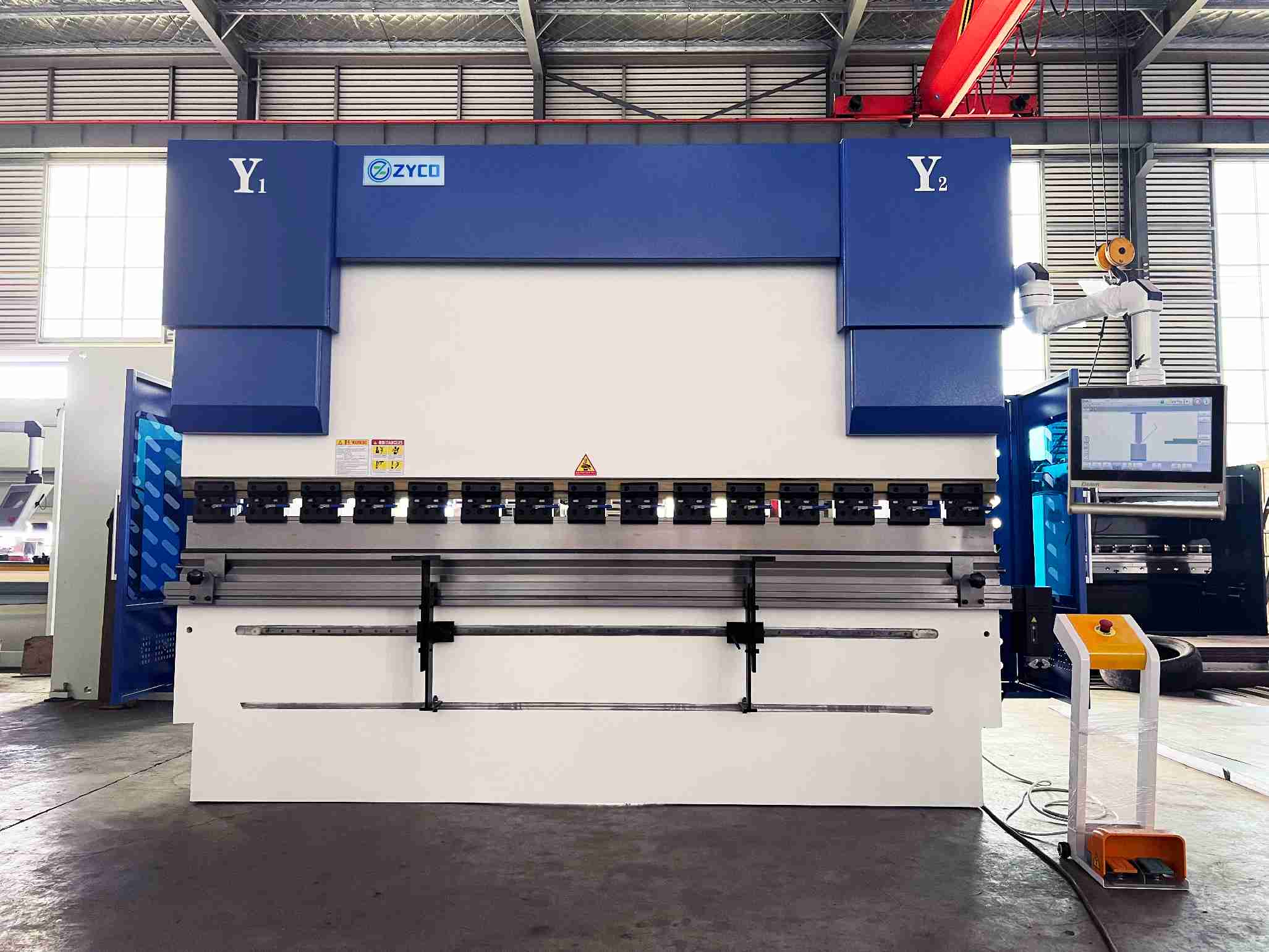
The electro-hydraulic bending machine adopts left and right independent cylinder control (Y1/Y2), and performs closed-loop synchronous control through a servo proportional valve. Compared with traditional torsion shaft bending machines, it has obvious advantages:


automated sheet metal bending


· The system monitors the cylinder position in real time through the grating ruler and automatically corrects the deviation every second;

· The bending angle error can be controlled within ±0.5°;

· The angles at both ends of the long workpiece are consistent, and there is no need for repeated debugging;

· The automatic compensation system can make intelligent corrections based on the plate thickness and material.

Result: Improved pass rate, reduced rework rate, and higher customer satisfaction.


✅ Reason 2: Energy saving and noise reduction, low operating cost


The electro-hydraulic bending machine is equipped with a servo pump control system, which runs the hydraulic system only when performing bending actions, greatly reducing energy consumption:

· Energy saving is 30%~60% compared with traditional hydraulics;

· Noise is as low as 70 decibels, making the workshop quieter;

· The oil temperature is constant, the oil ages slowly, and the hydraulic system has a longer life.

Result: The electricity bill + oil replacement cost saved in one year is enough to buy a set of molds.


✅ Reason 3: Supporting automation upgrades, saving manpower and increasing efficiency


The electro-hydraulic system has a stable structure and high control accuracy, making it naturally suitable for access to automation systems, such as:

· Robotic Hand loading and unloading;

· Automatic mold change (ATC);

· MES system data linkage;

· Laser angle measurement system.

Result: Fewer workers, higher efficiency, and 24-hour production line is possible.


✅ Reason 4: Simple operation and low training cost


The matching CNC systems (such as DELEM DA53T, DA66T, EASYCAT ET18, ESA S660W, etc.) all support:


hydraulic sheet metal brake


· Multi-language operation interface (English, Spanish, French, etc.);

· Graphical programming, even beginners can quickly get started;

· Bending simulation function allows early detection of collisions and angle deviations.

Result: Customers no longer have to rely on "experienced workers", and newcomers can easily get started.


Summary


In 2025, ZYCO electro-hydraulic bending machine is not only an equipment choice, but also the "standard configuration" for global sheet metal processing companies to move towards high quality, high efficiency and intelligent manufacturing.

If you are an importer, distributor or end customer, and are looking for a bending solution with high precision, low energy consumption, easy maintenance and strong automation support, the electro-hydraulic bending machine will be your best choice.