Top Tips for Picking the Best Microwave Oven Door Endurance Tester

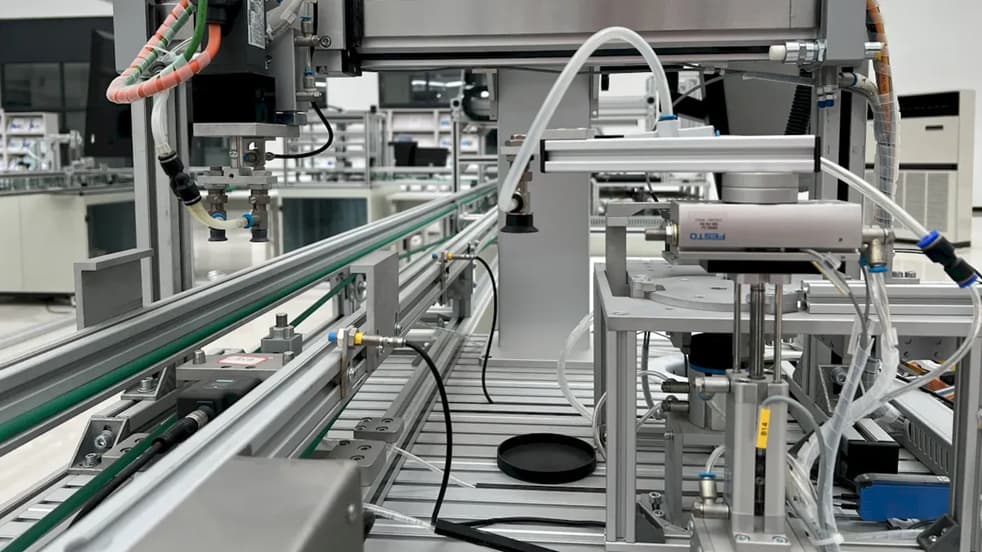
You need a good microwave oven door endurance tester to see how long your microwave will last. Many people who buy restaurant equipment want microwaves that are strong for daily use. You have to test microwave doors to make sure they are safe. Many microwaves in restaurants work very hard every day. Industrial microwave ovens need doors that are strong for heavy use. A good microwave oven door endurance tester shows if a microwave can handle real restaurant work. When you test a microwave, look for settings you can change, a strong build, and easy controls. These things help you get the best results for your microwave and restaurant equipment.


Key Takeaways

  • Pick a tester that is tough and will last a long time. This helps you get good results every time. - Find testers that measure things right and have safety parts. These keep your team and tools safe. - Choose a tester with settings you can change and data that is easy to read. This helps you test like real life and make good choices.


What Makes a Good Tester

Durability

You want your microwave oven door endurance tester to last a long time. The tester should work for thousands of cycles without breaking. This is important because you use it on many microwave types. If the tester breaks, you cannot trust your test results. Look for strong materials in the frame and moving parts. Stainless steel and reinforced plastics are good for testing oven door glass. These materials do not wear out fast. You also need a tester that works well in busy labs or factories. A strong tester helps you check if the oven door glass and other parts are tough. This makes you feel sure about your equipment’s quality.


Accuracy

Accurate results help you choose the right microwave equipment. The tester should give the same results every time you use it. When you test oven door glass, you want to know if it will last in real kitchens. The tester should count the cycles, measure the force, and check the speed. Good accuracy lets you compare different microwave models. You can then pick the best one. Check if the tester has sensors to track every move. Digital displays and clear data help you see the results. Accurate testing keeps your microwave and oven door glass safe. You avoid mistakes that could break your equipment or make it unsafe.

Tip: Always check your tester’s calibration before you start. This keeps your results right and your equipment safe.


Compliance

You must follow the rules when you test microwave equipment. Compliance means your tester meets standards like IEC 60335-2-2. These rules help keep people safe when using microwaves. If your tester does not meet these rules, you might sell bad equipment. Check if the tester can work with different oven door glass and microwave models. A tester that follows the rules helps you show your products are strong and safe. This is important for makers and inspectors. Using the right tester also helps customers trust your products.

Note: Always ask for certificates or test reports when you buy a tester. This helps you make sure your equipment is safe and meets all the rules.


Microwave Oven Door Endurance Tester Features

Microwave Oven Door Endurance Tester

Adjustable Parameters

You need to test how a microwave door works in real life. Adjustable parameters help you do this. You can set the cycle speed and the force used to open and close the door. This lets you copy how people use microwaves in homes, restaurants, or factories. Some people open microwave doors slowly. Others pull hard and fast. You can change the settings to match these actions.

When you use adjustable parameters, you get better results. You can test different types of microwave doors. You can also check how the door works after many uses. This helps you find weak spots in your equipment. You can fix problems before they reach your customers. Many testers have programmable features. These let you save your favorite test settings. You can use them again later. This saves you time and helps you work faster.

Tip: Use adjustable parameters to test both gentle and rough use. This gives you a full picture of your microwave’s strength.


Safety Features

You must keep your team and your equipment safe during testing. Good safety features protect you from accidents. They also stop damage to your microwave or the tester. Look for testers with emergency stop buttons. These let you stop the test right away if something goes wrong. Some testers have covers or shields. These keep your hands away from moving parts.

Sensors can also help. They stop the test if the door gets stuck or if something blocks the path. This keeps your equipment in good shape. You should always check the safety features before you start a test. This makes sure everyone stays safe and your microwave does not break.

Note: Never skip checking the safety features. Safe testing means better results and longer life for your equipment.


Data Output

You need clear data to understand how your microwave works. Good testers show you the number of cycles, the force used, and the speed of each test. Some testers have digital screens. Others let you connect to a computer. You can save your results and look at them later.

Clear data output helps you spot problems fast. You can compare different microwave models. You can also share your results with your team or with customers. This builds trust in your equipment. When you have good data, you make better choices. You can improve your products and keep your customers happy.

Data Output Feature

Why It Matters

Cycle Counter

Tracks how many times you test

Force Measurement

Shows if the door is strong

Speed Display

Checks if the door moves right

Data Export

Lets you save and share results

Tip: Always review your data after each test. This helps you catch problems early and keep your microwave equipment top quality.


Build Quality

Structure

Your microwave oven door endurance tester needs to be strong. A strong tester keeps your equipment steady during tests. When the tester does not move, your results are better. The frame should hold the microwave tight. This helps you test oven door glass without shaking. You want a tester that fits many microwave sizes. Some testers have arms or clamps you can adjust. These let you test different oven door glass types. A strong tester also keeps your equipment safe from harm. You can trust your tests when the tester stays firm. Pick testers made with tough construction. This means the parts will not bend or snap after many uses. Your equipment stays safe and your results stay right.

Tip: Always look at the tester’s structure before testing. A steady tester gives you better results and helps your equipment last longer.


Materials

Good materials help your microwave oven door endurance tester last. Strong materials like tempered glass and tough plastics stop damage. These protect the oven door glass every time you test. Some testers use new composite materials. These can handle more heat and hits. They make your equipment stronger and safer. When you test oven door glass, check how thick it is. Thicker glass is stronger and works better. Strong construction with good materials means your tester lasts for years. You can trust your tester to do hard jobs. Always pick testers with the best materials for each part. This keeps your tests safe and your results correct.

Material Type

Benefit for Equipment

Tempered Glass

Strong, resists breaking

Durable Plastics

Light, resists wear

Composite Materials

Extra heat and impact resistance

Note: Picking the right thickness for oven door glass makes your microwave safer and better.


Ease of Use

Operation

You want a microwave oven door endurance tester that is easy to use. Simple controls help you start tests fast. Clear buttons and labeled switches make your job easier. You can set the cycle speed and force with just a few steps. Many testers have digital screens. These screens show you the test progress and results. You do not need special training to use most testers. You can follow the instructions and begin testing your microwave right away.

A good tester lets you test different microwave models. You can adjust the clamps and arms to fit each microwave. This saves you time and helps you work faster. You can also store your favorite test settings. This feature helps you repeat tests for each microwave without extra setup.

Tip: Always read the user manual before you start. This helps you avoid mistakes and keeps your microwave safe.


Maintenance

You need to keep your microwave oven door endurance tester in good shape. Regular maintenance helps your tester last longer. You should clean the tester after each use. Dust and dirt can cause problems if you do not clean them. You should check the moving parts often. Lubricate them if they start to stick. This keeps your microwave tests smooth.

Make a simple maintenance checklist:

  • Clean the tester after every microwave test.

  • Check for loose screws or worn parts.

  • Lubricate moving parts as needed.

  • Store the tester in a dry place.

If you follow these steps, your microwave tester will work well for years. Good maintenance means you get the best results every time you test a microwave.


Value and Support

Price

You want to spend your money wisely when buying a microwave oven door endurance tester. The price is important because it affects how much you can spend on other restaurant equipment. A cheap tester might seem like a good deal at first. But it could break quickly. Then you might have to pay more to fix it or buy another one. This wastes your money and slows down your microwave testing.

A good tester works well for many years. You get better results for your restaurant equipment. You also save money because you do not need to buy a new tester often. When you look at the price, check what features come with it. Some testers cost more because they have better data output, stronger materials, or more ways to adjust settings. These features help you test each microwave in your kitchen or lab. Picking the right tester helps protect your money and makes sure it fits your needs.

Tip: Always compare the price with the features and support you get. Sometimes paying more means you get a better tester for your restaurant equipment.


Technical Support

Technical support helps you use your microwave oven door endurance tester the right way. Fast and helpful support keeps your restaurant equipment working. You want to fix problems quickly so you do not waste time or money. Good support teams answer your questions and help you solve problems with your microwave tester.

  • Quick answers make you feel like the company cares.

  • Slow support can make you upset and unhappy with your tester.

  • Waiting too long for help can hurt your business and cause bad reviews.

  • Fast support helps you keep your restaurant equipment working well.

  • Good support protects your money and helps you trust your microwave testing.

You should always check if the company gives training, manuals, and easy ways to contact support. Some companies offer online help or phone support for your microwave tester. This makes your tester safer and easier to use. When you know you can get help fast, you feel more sure about using your restaurant equipment every day.


Reviews and Recommendations

User Feedback

Manufacturers and inspection agencies talk about using H&H Group’s microwave oven door endurance tester. Many people say it is easy to use. The controls are simple and clear for everyone. You can start a test in just a few steps. Users like that the tester is strong and does not break. It stays steady even after lots of tests. Some customers like the smart control system. You can pick different test speeds and forces. This helps you check if each microwave door is good. People also like the safety features. The tester stops if something goes wrong, so users feel safe. One agency tested hundreds of microwave doors in one week. They said the tester always gave good results. You can trust the data and make your product better.

Feedback on H&H Group Products

Feature

User Comments

Intuitive Operation

"Easy to set up and run each test."

Robust Build Quality

"Handles heavy use without issues."

Reliable Test Results

"Consistent data for every microwave."

Note: Many users like the adjustable parameters and safety features. These help you test many microwave models and keep your team safe.


Expert Opinions

Experts often suggest using H&H Group’s microwave oven door endurance tester. Third-party labs give their support too. They say the tester follows IEC 60335-2-2 rules. Experts think the advanced features help you test every microwave well. They also talk about the smart design. The tester works for both makers and inspectors. Some experts mention certificates and technical reports. These show the tester meets high standards. You can feel sure your microwave will pass hard quality checks. Experts agree the tester is strong and can do many jobs. This makes it a great pick for anyone who needs to check microwave door strength.


Industry and Technical Endorsements for H&H Group

Experts say: "This tester is the best for microwave door testing. It gives you correct results and helps you make high-quality products.


When you choose a microwave oven door endurance tester, remember these tips:

  • Make sure the microwave tester works well every time.

  • Check if the microwave tester follows all safety rules.

  • Pick features that fit what your microwave needs.

  • Find a tester that gives help for a long time.

  • Try the microwave tester in ways people use it every day.

  • Look at the data the microwave tester gives you.

  • Choose a microwave tester that is made strong.

  • Use a microwave tester that is simple to use.

  • Look at the price of each microwave tester.

  • Read what others say about the microwave tester before you buy.

Use this list to help you pick the best microwave oven door endurance tester for what you need.

Unlock the Excellence of Stove Production with Our Advanced Testing Equipment!

In the highly competitive field of stove manufacturing, ensuring the highest quality and safety standards is non-negotiable. Today, we are excited to introduce you to our state-of-the-art Stove Comprehensive Performance Testing Equipment (Assembly Line Exclusive), which is set to revolutionize your production process and take your products to the next level.

1. Tailored for Production Line Efficiency

This testing equipment is meticulously designed with the production line environment in mind. It seamlessly integrates into your manufacturing workflow, enabling rapid and precise testing without causing any disruptions. With its optimized design, it significantly enhances the overall production efficiency, allowing you to meet the increasing market demands with ease.

2. Precision Parameters for Unrivaled Performance

Voltage: Operating at a standard 220V/50Hz, it ensures compatibility with most factory power supplies, providing a stable power foundation for continuous and reliable testing operations.

Compressed Air: Requiring a pressure within the range of 0.5 - 0.8MPa, this precise air pressure setting guarantees the smooth operation of the pneumatic components in the equipment, facilitating accurate simulations of real-world gas flow conditions during testing.

Gas Flow: Capable of measuring gas flow rates from 0 to 5m³/H with an impressive dry-type measurement accuracy of 2.5%F.S., it offers highly accurate data on gas consumption at various stove operating states. This enables manufacturers to fine-tune the stove's gas utilization efficiency, resulting in energy-efficient products that stand out in the market.

Gauge Pressure and Gas Inlet Pressure: Both ranging from 0 to 10KPa with an accuracy of 0.5%F.S., these precise pressure measurements ensure that every aspect of the stove's pressure performance is closely monitored. Detecting even the slightest pressure variations helps to prevent potential safety hazards and ensures consistent and stable combustion performance.

3. Comprehensive Performance Testing Capabilities

Flow Rate Testing: Our equipment employs advanced sensors and algorithms to precisely measure the gas flow rate of the stove. This allows manufacturers to have a detailed understanding of the gas consumption patterns, facilitating the optimization of the stove's design for better energy efficiency and performance.

Combustion Condition Assessment: Through a multi-faceted analysis of the flame characteristics, including color, shape, and temperature distribution, our testing equipment provides a comprehensive evaluation of the combustion condition. This ensures that the stove achieves optimal combustion efficiency, reducing emissions and enhancing the cooking experience for end-users.

Flameout Protection Testing: With a focus on safety, our equipment rigorously determines the flameout protection time of the stove. In the event of an accidental flameout, it quickly assesses the responsiveness of the protection mechanism, ensuring that the gas supply is promptly cut off to prevent any potential gas leakage and associated risks.

Leak Testing: Equipped with a highly sensitive open flame leak detection system, our equipment conducts thorough inspections of all gas connections and pathways. Any minute leaks are detected and immediately flagged, guaranteeing that every stove leaving the production line is free from safety  and meets the highest safety standards.

 Stove Comprehensive Testing Equipment

Investing in our Stove Comprehensive Performance Testing Equipment (Assembly Line Exclusive) is not just a purchase; it's a strategic decision to enhance your product quality, strengthen your brand reputation, and gain a competitive edge in the market. Upgrade your production process today and deliver stoves that are synonymous with excellence and safety!

5-Axis Stone Cutting Machines Redefining Precision and Possibilities in Stone Processing

Stone, a material steeped in history and revered for its durability and aesthetic appeal, has long been a cornerstone of architecture, design, and art. Yet, working with stone—especially hard varieties like granite, basalt, and quartzite—has always posed unique challenges. Traditional cutting methods often struggle with complexity, precision, and efficiency, limiting what’s achievable. Enter 5-axis stone cutting machines—a technological leap that’s transforming the stone processing industry by turning once-impossible designs into reality, all while boosting productivity and reducing waste.

5-axis stone cutting machines


The Core Advantages: Why 5-Axis Stands Out for Stone Cutting

To understand the impact of 5-axis stone cutting machines, it’s essential to contrast them with their 3-axis counterparts. While 3-axis machines move along the X, Y, and Z linear axes, 5-axis systems add two rotational axes (usually A and C, or B and C). This extra mobility isn’t just a minor upgrade—it’s a game-changer for stone, a material that demands both care and precision. Here’s how their key features elevate stone cutting:


1. Unrivaled Flexibility for Complex Cuts

Stone projects often require more than straight lines—think curved kitchen countertops, sculpted building facades, or custom stone arches. 3-axis machines hit a wall here: to reach all angles of a complex design, operators must repeatedly reposition the stone, increasing the risk of misalignment and errors. 5-axis machines eliminate this hassle. Their spindle (the component holding the cutting tool) can tilt and rotate freely around the stone, accessing every nook and cranny in a single setup. This means seamless, continuous cuts for organic shapes, intricate reliefs, and even 3D sculptural elements—no more disjointed seams or compromised designs.


2. Pinpoint Precision for Flawless Results

Stone is unforgiving: a tiny miscalculation can ruin an expensive slab. 5-axis stone cutters are engineered for accuracy, with heavy-duty frames that minimize vibration (a major enemy of precision) and advanced feedback systems (such as linear encoders) that ensure cuts are consistent to within 0.005mm. This level of precision is critical for applications like luxury bathroom vanities, where stone slabs must fit perfectly with fixtures, or architectural details that need to match digital blueprints exactly. For example, when crafting a marble tabletop with a curved edge and integrated drainage groove, a 5-axis machine ensures every curve and groove is uniform, with no uneven spots.


3. Reduced Waste, Lower Costs

Stone slabs are costly—wasting even a small section due to a cutting mistake can translate to hundreds or even thousands of dollars in losses. 5-axis machines address this with intelligent tool path optimization. Their software analyzes the stone slab (including natural features like veins or small cracks) and maps out the most efficient cutting route, maximizing the use of the material. Additionally, since there’s no need for repositioning, there’s less risk of accidental damage during handling. Studies show that 5-axis machines reduce stone waste by 20-40% compared to 3-axis systems, a significant saving for businesses operating on tight margins.


4. Versatility Across Stone Types

Not all stones are created equal: marble is soft and porous, granite is dense and hard, and limestone is prone to chipping. 5-axis stone cutting machines adapt to these differences effortlessly. They support a wide range of cutting tools—from diamond-tipped blades for rough shaping to fine engraving tools for delicate details—and their software lets operators adjust key parameters (cutting speed, feed rate, spindle power) based on the stone’s hardness and texture. This versatility means one machine can handle everything from cutting large granite slabs for commercial flooring to carving intricate marble accents for high-end homes.


Real-World Applications: Where 5-Axis Stone Cutters Make a Difference

The flexibility and precision of 5-axis technology have made it a staple in several key industries. Here are some of the most impactful use cases:


1. Architectural and Construction

Architects and construction firms rely on 5-axis machines to create custom stone elements that define a building’s character. For instance, a modern skyscraper might use 5-axis-cut stone facade panels with curved edges and 3D-engraved patterns to stand out from the crowd. Historic restoration projects also benefit: when restoring a centuries-old church with damaged stone columns, a 5-axis machine can scan the original column, then cut a replacement that matches every detail—from the fluting to the decorative capitals—with perfect accuracy.


2. Residential and Commercial Interior Design

Interior designers are using 5-axis stone cutters to craft one-of-a-kind pieces that elevate living and working spaces. In kitchens, this means countertops with seamless curves, built-in cutting boards, or even personalized engravings (like a family’s initials). In hotels and restaurants, 5-axis-cut stone bar tops with organic shapes or marble wall panels with intricate reliefs add a touch of luxury. For example, a high-end hotel in Paris used a 5-axis machine to create a marble reception desk with a flowing, wave-like design—something that would have been nearly impossible to achieve with traditional methods.


3. Memorial and Monument Industry

Memorials, tombstones, and mausoleums require both precision and emotional resonance. 5-axis machines excel here, allowing for detailed engravings of portraits, religious symbols, or even 3D reliefs of loved ones. Unlike hand carving, which can take weeks and may vary in quality, a 5-axis machine can produce a custom tombstone in 1-2 days, with crisp, consistent details that honor the deceased. For a war memorial, 5-axis cutting can also create uniform stone plaques with the names of fallen soldiers—ensuring every name is clear and perfectly aligned.


4. Art and Sculpture

Artists are pushing the boundaries of stone art with 5-axis technology. Sculptors can now translate digital sketches into large-scale stone sculptures with complex, interlocking forms. For example, an artist might design a abstract marble sculpture with twisting curves and hollowed-out sections—details that would be physically exhausting and time-consuming to carve by hand. The 5-axis machine handles the rough cutting, allowing the artist to focus on refining the details, saving time while preserving their creative vision.


The Future of 5-Axis Stone Cutting: What’s Next?

As technology evolves, 5-axis stone cutting machines are becoming even more powerful. Two trends to watch include:

AI-Driven Efficiency: New software uses artificial intelligence to analyze stone slabs in real time, identifying flaws (like cracks or weak spots) and adjusting the cutting path to avoid them. This not only reduces waste but also ensures the final product is structurally sound. AI can also predict tool wear, alerting operators when to replace a blade—preventing errors caused by dull tools.

Integration with 3D Scanning and Printing: Pairing 5-axis machines with 3D scanners lets operators create digital replicas of existing stone pieces, making restoration and customization easier than ever. Some manufacturers are even exploring 3D printing of stone dust (a byproduct of cutting) into new materials, which can then be cut with 5-axis machines—creating a more sustainable, circular process.


Is a 5-Axis Stone Cutting Machine Right for Your Business?

If your business focuses on:

Creating complex, custom stone designs that 3-axis machines can’t handle

Reducing material waste and lowering production costs

Working with a variety of stone types while maintaining consistent quality

Then a 5-axis stone cutting machine is a smart investment. While the upfront cost is higher than 3-axis systems, the long-term savings in time, waste, and labor—plus the ability to take on more complex projects—make it a worthwhile choice for growing businesses.


In the world of stone processing, 5-axis cutting machines aren’t just tools—they’re enablers. They turn bold ideas into tangible, lasting stone creations, whether it’s a skyscraper’s facade, a family’s memorial, or an artist’s masterpiece. As technology continues to advance, the possibilities for what we can create with stone are only going to expand—and 5-axis machines will be at the center of it.

5-Axis Stone Engraving Machines Revolutionizing Stone Fabrication with Precision and Versatility​

In the world of stoneworking, where durability meets artistry, the tools that shape natural stone have evolved dramatically over the decades. From traditional chisels and hammers to computer numerical control (CNC) routers, each innovation has pushed the boundaries of what’s possible with granite, marble, limestone, and other hard stone materials. Today, 5-axis stone engraving machines stand at the forefront of this evolution, redefining efficiency, precision, and design freedom for craftsmen, architects, and manufacturers alike.​

Stone Engraving Machine

What Makes 5-Axis Stone Engraving Machines Unique?

Unlike 3-axis machines, which operate along the X, Y, and Z linear axes, 5-axis systems add two rotational axes (typically A and C, or B and C). This extra degree of movement isn’t just a “nice-to-have”—it’s a game-changer for stone, a material known for its density and brittleness. Let’s break down their core features and why they matter for stone fabrication:​


1.Unmatched Maneuverability for Complex Shapes​

Stone carving often demands intricate details: curved countertops, sculptural facades, or custom (tombstones) with 3D reliefs. 3-axis machines struggle here—they require repositioning the stone multiple times to access hard-to-reach areas, increasing the risk of errors and material waste. With 5 axes, the spindle (the part that holds the cutting tool) can tilt and rotate around the stone, reaching every angle in a single setup. This means no more manual adjustments, no more mismatched seams, and the ability to create seamless, organic shapes that were once impossible with CNC technology.​


2. High Precision Even on Hardest Stones​

Granite, with a Mohs hardness rating of 6-7, can wear down tools and compromise accuracy if a machine lacks stability. 5-axis stone engravers are built with heavy-duty frames, high-torque motors, and advanced feedback systems that ensure every cut is precise to within 0.01mm. This level of accuracy is critical for applications like kitchen countertops, where tight seams between stone slabs must be invisible, or architectural details that need to match digital designs exactly.​


3. Reduced Material Waste and Faster Production​

Stone is expensive—wasting even a small slab due to a cutting error can cost hundreds of dollars. 5-axis machines minimize waste by optimizing tool paths: their software calculates the most efficient way to carve, avoiding overcuts and ensuring maximum use of each slab. Additionally, since they don’t require repositioning, production times are cut by 30-50% compared to 3-axis machines. For manufacturers handling large orders, this speed translates to faster turnaround and higher profit margins.​


4. Compatibility with Diverse Stone Types​

Whether you’re working with soft marble (ideal for sculptures) or dense basalt (used in outdoor paving), 5-axis machines adapt. They support a range of cutting tools—from diamond-tipped end mills for fine detailing to large routers for rough shaping—and their software allows operators to adjust parameters (speed, feed rate, spindle power) based on the stone’s properties. This versatility means one machine can handle multiple projects, from delicate art pieces to heavy-duty construction components.​


Real-World Applications: Where 5-Axis Stone Engravers Shine​

The flexibility of 5-axis technology makes it indispensable across several key industries. Here are some of the most impactful use cases:​


1. Architectural Stonework​

Architects and builders rely on 5-axis machines to create custom stone elements that elevate a building’s design. Think curved stone columns for a historic-style museum, 3D-engraved facade panels for a modern office tower, or intricate cornices that replicate classical designs. 


2. Custom Furniture and Interior Design​

Kitchen and bathroom designers are using 5-axis machines to craft one-of-a-kind countertops with curved edges, integrated sinks, or even personalized engravings (like family crests or quotes). In luxury homes, marble fireplace surrounds with sculpted floral patterns or granite coffee tables with organic, flowing shapes are now easier to produce—all thanks to the machines’ ability to carve complex curves without seams.​


3. Memorial and Monument Creation​

Tombstones, mausoleums, and war memorials require both precision and sentimentality. 5-axis engravers can etch high-resolution portraits, detailed religious symbols, or even 3D reliefs of loved ones into stone—something that was once only possible with skilled hand carvers (and took weeks to complete). Today, a memorial company can produce a custom tombstone in 1-2 days, with details that honor the deceased more accurately than ever before.​


4. Art and Sculpture​

Contemporary artists are pushing the limits of stone art with 5-axis technology. Sculptors like Italy’s Marco Guazzini use 5-axis machines to create abstract marble pieces with smooth, interlocking curves that would be physically impossible to carve by hand. The machines allow artists to translate digital sketches directly into stone, preserving their creative vision while saving time on labor-intensive rough work.​


The Future of Stone Fabrication: What’s Next for 5-Axis Tech?​

As technology advances, 5-axis stone engraving machines are only getting better. Here are two trends to watch:​


AI-Powered Tool Path Optimization: New software uses artificial intelligence to analyze stone slabs (including natural flaws like veins or cracks) and adjust tool paths in real time. This not only reduces waste but also ensures that flaws are hidden in non-visible areas of the final product.​


Integration with 3D Scanning: Pairing 5-axis machines with 3D scanners allows for “reverse engineering” of existing stone pieces. For example, if a historic building’s stone window sill is damaged, a scanner can capture its exact dimensions, and the 5-axis machine can carve an identical replacement—no manual measurements needed.​


Is a 5-Axis Stone Engraving Machine Right for You?​

If you’re a stone fabricator, artist, or architect looking to:​

Create complex, seamless designs that 3-axis machines can’t handle​

Reduce material waste and speed up production​

Work with a wide range of stone types without compromising precision​

Then a 5-axis stone engraving machine is an investment worth considering. While the initial cost is higher than 3-axis systems, the long-term savings in time, waste, and labor more than make up for it.​


In the end, 5-axis technology isn’t just about making stoneworking easier—it’s about unlocking the full potential of stone as a material. Whether you’re building a skyscraper, designing a home, or creating a work of art, these machines are helping turn bold ideas into tangible, lasting reality.

Stone Profiling Machines Challenging Stone Processing with Precision and Efficiency​

When it comes to stone processing—whether for grand architectural projects or intricate decorative pieces—precision, consistency, and efficiency are non-negotiable. This is where stone profiling machines step in, transforming raw stone blocks into polished, custom-shaped products that define modern design.

stone profiling machines

1. Core Functional Features of Stone Profiling Machines​

Stone profiling machines are engineered to handle the unique hardness and texture of natural and engineered stones (e.g., marble, granite, quartz, limestone). Their key functions are tailored to simplify complex shaping tasks while maintaining accuracy:​


1).Custom Shaping & Profiling: The primary function is to create precise, repeatable profiles on stone edges or surfaces. This includes straight edges, bevels, arcs, bullnoses, ogees, and even intricate decorative patterns (e.g., floral motifs or geometric designs). Unlike manual tools, which rely on human skill and often produce inconsistent results, these machines use pre-programmed templates or CAD designs to replicate shapes flawlessly across hundreds of pieces.​


2).Multi-Axis Processing: Advanced models feature 3-axis, 4-axis, or even 5-axis systems, allowing them to work on multiple sides of a stone block simultaneously. This capability is critical for 3D stone products, such as curved countertops, column capitals, or sculptural elements, where precision across all dimensions is essential.​


3).Integrated Polishing: Many modern stone profiling machines combine shaping and polishing in one workflow. After cutting or profiling, built-in polishing heads (with varying grits) smooth the stone surface to a high gloss, eliminating the need for separate equipment and reducing production time.​


4).Automated Material Handling: To boost efficiency, most machines include automated conveyors, clamps, or robotic arms that load/unload stone slabs. This minimizes manual labor, reduces the risk of injuries, and ensures consistent processing speeds.​


5).Real-Time Monitoring & Adjustment: Equipped with sensors and cameras, these machines track cutting depth, pressure, and surface quality in real time. If deviations are detected (e.g., a stone slab with uneven thickness), the system automatically adjusts parameters to maintain precision—avoiding wasted materials and rework.


2. Technical Advantages That Outperform Traditional Methods

Traditional stone processing relies on hand tools (e.g., chisels, grinders) or basic machines, which are slow, labor-intensive, and prone to errors. Stone profiling machines address these limitations with cutting-edge technology, offering unmatched benefits:


1).Superior Precision: Using CNC (Computer Numerical Control) technology, these machines achieve tolerances as tight as ±0.1mm. This is critical for projects like kitchen countertops (where edges must align perfectly) or historical building restorations (where stone pieces must match original designs).


2).Unmatched Efficiency: A single stone profiling machine can process 5–10 times more stone than a team of manual workers. For example, profiling the edges of 10 marble countertops might take 8 hours manually, but a CNC profiling machine can complete the task in 1–2 hours—freeing up labor for other high-value tasks.


3).Reduced Material Waste: Manual cutting often results in 15–20% material waste due to human error. With pre-programmed designs and real-time adjustments, stone profiling machines cut waste to 5% or less. This is a significant cost-saver, especially for expensive stones like rare granite or marble.


4).Versatility Across Stone Types: Whether working with soft limestone or ultra-hard granite, these machines adapt to different material properties. They adjust cutting speed, blade pressure, and polishing grits based on the stone’s hardness, ensuring optimal results without damaging the material.


5).Consistency at Scale: For large projects (e.g., hotel lobbies, shopping malls, or residential complexes), consistency is key. Stone profiling machines replicate the same profile across every stone piece—no matter how many are produced. This eliminates the “handmade” variation that can ruin the aesthetic of a cohesive design.


6).Ease of Use & Programming: Modern machines come with user-friendly interfaces that allow operators to upload CAD designs, adjust parameters, or save templates with just a few clicks. Even operators with minimal technical experience can learn to use them quickly, reducing training time and human error.


3. Key Application Scenarios in the Stone Industry

1).Architectural Curved Decoration: Processes arc plates for building exteriors/interiors, such as curved wall claddings, circular column casings, and arc cornices, enhancing architectural aesthetics.​


2).Countertop & Vanity Edge Arc Processing: Creates curved edges (e.g., bullnose, half-round arcs) on stone countertops (marble, granite) and vanity tops, ensuring safe use and sleek appearance.​


3).Landscape Curved Elements: Fabricates arc-shaped stone components like curved garden benches, circular fountain rims, and arc paved borders, fitting natural landscape layouts.​


4).Tombstone Curved Details: Adds arc plates to tombstones/memorials, such as curved top edges or arc decorative panels, enriching the memorial’s design.​


5).Curved Stone Artworks: Produces arc-structured stone crafts (e.g., curved figurine bases, circular decorative plates) for artistic displays, leveraging precise arc processing.


Final Thoughts: Why Stone Profiling Machines Are a Must-Have​

In an industry where precision, efficiency, and cost-saving matter, stone profiling machines are no longer a luxury—they’re a necessity. They eliminate the limitations of manual processing, reduce waste, and open up new possibilities for design (e.g., complex 3D shapes that were once impossible to achieve). Whether you’re a large-scale stone manufacturer or a small artisan, investing in a stone profiling machine can help you stay competitive, meet client demands faster, and deliver high-quality products that stand out.​


As technology continues to advance, we can expect even more innovations in stone profiling—from AI-powered design tools to faster processing speeds. For now, though, these machines are already transforming the stone industry—one precise cut at a time.

What Is a Hydraulic Cylinder and How Does It Work


A hydraulic cylinder uses pressurized fluid to make force and movement in a straight line. You can find this device in many machines that need to press, pull, push, or lift heavy things. For example, you see small hydraulic cylinders working in forklifts, excavators, and trash compactors. These cylinders also help lift buildings, process food, and control farming equipment. They are very important in construction, waste management, mining, metal production, and farming.


Hydraulic Cylinder Overview

Definition

Some people call a hydraulic cylinder a hydraulic actuator. This device makes force and movement in a straight line by using pressurized fluid.

  • A hydraulic cylinder is a mechanical actuator. It gives force in one direction with a single stroke.

  • It turns hydraulic energy into mechanical movement. This makes the cylinder move in a straight line.

  • You can find hydraulic cylinders in machines like construction equipment, manufacturing tools, elevators, and civil engineering projects.


Hydraulic cylinders are special because they can make very strong forces.

  • These cylinders usually work at pressures from 1800 to 3000 psi. Some can go up to 5000 psi.

  • The force comes from multiplying the pressure by the area inside the cylinder.

  • Even small cylinders can lift or push heavy things. For example, a 3-inch bore cylinder at 2200 psi can move about 15,000 pounds. A 5-inch bore cylinder can move around 43,000 pounds.

Tip: Use hydraulic cylinders when you need strong and steady movement in a straight line.


Purpose

A stainless steel hydraulic cylinder changes the energy in hydraulic fluid into force. This force moves the piston inside the cylinder. The piston then moves the machine part that is attached to it. Hydraulic cylinders help you control heavy machines with smooth and exact motion. These devices are important in many machines because they give high force for less money. You will see them in factory automation. Their tough and simple designs make them easy to use. Hydraulic cylinders give you a low cost for each unit of force compared to electric actuators.


How Hydraulic Cylinders Work

Principle

A hydraulic cylinder changes fluid pressure into straight movement. When you put pressurized fluid in the cylinder, it pushes a piston. This force moves the piston forward. The piston then moves the machine part connected to it. The force depends on fluid pressure and piston size.

Pascal’s principle says pressure spreads everywhere in the fluid. The pressure is the same at both pistons. So, p1 equals p2. Since p2 equals F2 divided by A2, we get (\frac{F1}{A1}=\frac{F2}{A2}.) This shows how force and area work together in hydraulic systems. This works if pistons are level and there is little friction.


This principle lets hydraulic cylinders lift or push heavy things. You only need a small amount of fluid pressure. The movement stays smooth and easy to control.


Hydraulic cylinders have different pressure levels. Here is a table that shows common pressure ranges and uses:

Cylinder Type

Pressure Range

Applications

Low-Pressure Cylinders

Up to 1,000 PSI

Light jobs like farm equipment

Medium-Pressure Cylinders

1,000 to 3,000 PSI

Building machines and factory tools

High-Pressure Cylinders

Over 3,000 PSI

Tough jobs like mining and steel work


Operation Steps

You can split how a hydraulic cylinder works into easy steps:

  1. Start the System: Turn on the hydraulic pump. The pump sends pressurized fluid into the cylinder.

  2. Fluid Enters the Cylinder: Fluid goes into one side of the cylinder. This makes pressure push against the piston.

  3. Piston Moves: Pressure pushes the piston forward. The piston rod comes out and moves the machine part.

  4. Control the Direction: Valves change where the fluid goes. You can make the piston go out or come back in.

  5. Retraction: To pull the piston back, fluid moves to the other side. Sometimes springs or gravity help bring the piston in.

  6. Cycle Repeats: You can do these steps again and again for your job.


Here is a table that lists important parts and what they do when the piston goes back:

Component

Function

Importance in Retraction Process

Valves

Control fluid flow and direction.

Make sure fluid goes to the right place for retraction.

Release Mechanisms

Help the piston return to start.

Help pull the piston back, sometimes with gravity or weights.

Fluid Pathways

Let fluid move through the system.

Make fluid flow smooth for good cycling.

Return Springs

Help pull the piston back.

Lower the work for the system during retraction.

Non-return Valves

Let fluid go one way only.

Stop fluid from going backward and keep movement steady.

Pressure Relief Valves

Keep pressure safe.

Protect the system from too much pressure when pulling back.

Accumulators

Hold extra pressurized fluid.

Give quick fluid for fast piston retraction.

Control Levers/Switches

Let you start and stop the piston.

Give you control over pulling the piston back.


A compact hydraulic cylinder uses these steps and parts to give strong and steady movement. You can trust this system for hard jobs like lifting or pushing heavy things.


Hydraulic Cylinder Components

Barrel

The barrel forms the main body of the hydraulic cylinder. You find this part holds the pressurized fluid and guides the piston as it moves. Manufacturers use strong materials for barrels to handle high pressure and wear. Most barrels use high-strength alloy steel or carbon steel. These materials give the barrel toughness and help it last longer. Some barrels have chrome plating or a honed surface to reduce friction and stop corrosion.


The barrel’s material matters for durability. Here is a table showing common choices:

Material

Properties

Low Alloy Steel

Strong, flexible, tough, and resists fatigue. Handles extreme temperatures.

Stainless Steel 301

High strength, resists corrosion, easy to weld, and very ductile.

Nickel-Chromium Alloys

Protects against oxidation and corrosion. Good at high temperatures.

Carbon Steel

Durable, affordable, and resists wear. Handles high pressure.

Stainless Steel

Contains chromium for corrosion resistance, great for marine use.


Piston and Rod

The piston sits inside the barrel and moves when fluid pushes against it. The rod connects to the piston and sticks out of the cylinder. You use the rod to move or lift things. The piston creates force, and the rod carries this force to the outside.

  • The piston uses seals to stop fluid from leaking past it.

  • The rod must be strong and smooth to avoid bending and reduce wear.


Component

Role

Key Features

Piston

Moves inside the barrel to create force.

Has seals to stop leaks and helps fluid flow smoothly.

Rod

Connects piston to outside load.

Made from strong steel, smooth surface, size depends on job.


Most rods use carbon steel, like C45 or 40Cr, for strength and cost savings. Stainless steel works well if you need corrosion resistance.


Seals

Seals keep the hydraulic fluid inside the cylinder and block dirt from getting in. You need good seals to keep pressure steady and avoid leaks. Seals must handle high pressure and temperature changes. You find different types of seals for different jobs:

  • Wiper Seals: Clean the rod as it moves, made from tough polyurethane.

  • Static Seals: Stay in one place, made from rubber or metal, resist high pressure.

  • Rotary Seals: Work with spinning parts, made from rubber or PTFE.

Seals protect the inside of the cylinder and help it last longer.


End Caps

End caps close off both ends of the cylinder. You rely on them to keep fluid from leaking out. End caps also guide the piston rod and hold everything in place. They help the cylinder stay strong under heavy loads.

  • End caps seal the cylinder and keep pressure inside.

  • They support the rod and piston, making sure they move straight.

  • End caps often have ports for fluid to enter or leave.

End caps add strength and help the hydraulic cylinder work safely and reliably.


Types of Hydraulic Cylinders

Single-Acting

Single-acting cylinders push or lift in one way. Hydraulic fluid moves the piston rod out. The rod goes back by a spring or the load’s weight. Only one port lets fluid in. This makes single-acting cylinders simple and easy to fix.

Single-acting cylinders are best when you do not need to pull with force.


Here is a table to compare single-acting cylinders with other types:

Feature

Single-Acting Cylinder

Other Types (e.g., Double-Acting)

Direction of Force

One direction only

Both directions

Inlet/Outlet Ports

One port

Two ports

Retraction Mechanism

Passive (weight or spring)

Active (hydraulic force)

You see single-acting cylinders in building, mining, making things, farming, and cars.


Double-Acting

Double-acting cylinders move in both ways. Hydraulic fluid pushes the piston rod out and pulls it back in. You can push and pull with the same force. These cylinders move faster and more exactly.

  • You control both the rod going out and coming in.

  • Double-acting cylinders work quicker than single-acting ones.


Advantage

Description

Manoeuvrability

You get better control over movement.

Efficiency

These cylinders use less power and work better.

Variety

Many sizes for stroke and bore are available.

ISO Compliance

Meets world standards for quality.


Double-acting cylinders are used in building, farming, making things, moving stuff, ships, and lifting materials.


Telescopic

Telescopic cylinders are also called multi-stage cylinders. They give a long stroke from a short starting size. These cylinders have tubes inside each other. Each tube, or stage, comes out one after the other. The biggest tube moves first, then the next, until all are out. When going back, the smallest tube goes in first.

Telescopic cylinders are great because they give a long stroke from a small starting size.


You find telescopic cylinders in dump trucks, cranes, drills, trash machines, and farm tools. They help lift or tilt heavy things when space is tight.


Tie-Rod and Welded

Tie-rod and welded cylinders are built in different ways. Tie-rod cylinders use long bolts called tie rods to hold them together. Welded cylinders have the barrel joined to the end caps by welding.

  1. Tie-rod cylinders have bolts that run along the tube.

  2. Welded cylinders have the barrel welded to both end caps.


Feature

Tie-Rod Cylinders

Welded Cylinders

Construction

Tie rods hold parts

Barrel welded to end caps

Pressure Capability

Up to 3,000 PSI

Up to 5,000 PSI or more

Maintenance

Easy to fix

Small, strong design

Durability

Medium

High

Sealing

Regular

Better


Use welded cylinders for high-pressure jobs. They last longer and work well in tough places. Tie-rod cylinders are easier to fix and fit many regular machines.


Hydraulic Cylinder Uses

Construction

Hydraulic cylinders are used on most construction sites. They help lift heavy things and move dirt. Big machines need hydraulic cylinders to work. Excavators move their arms because of hydraulic cylinders. Cranes use them to raise and lower their booms. Bulldozers, loaders, and dump trucks also use hydraulic cylinders. When you need to move a heavy part smoothly, you use a hydraulic cylinder. This technology helps you shape land and build strong buildings.


Manufacturing

Hydraulic cylinders make machines work faster and more exact in factories. Smart hydraulic cylinders can tell when they need fixing.

  • You get instant feedback about where the piston is. This helps you control machines better.

  • You can adjust movements to save material and make better products.

  • These cylinders use energy well and help stop sudden breakdowns.

  • Your machines last longer and work better.

  • Faster and more exact machines help you make more things with better quality and fewer stops.

Tip: Smart hydraulic cylinders can improve your factory by making every movement matter.


Agriculture

Farmers use hydraulic cylinders for many jobs on the farm. They help control water in irrigation and change sprinkler heights.

  • Plows and cultivators use hydraulic cylinders to set how deep and at what angle they work.

  • Seeders and planters use hydraulic cylinders to put seeds and fertilizer in the right spot.

  • You get better control of your tools, so you have better harvests and less waste.

Farmers trust hydraulic cylinders for hard work every day. You can rely on them for accurate and steady work in the field.


Hydraulic cylinders use pressurized fluid to make strong, straight movement. These devices have simple parts. The main parts are barrels, pistons, rods, seals, and end caps. There are different types you can pick. You can choose single-acting, double-acting, telescopic, tie-rod, or welded types. Hydraulic cylinders help in many areas. Their features fit many jobs:


Key Features

Applications

High Power Density

Construction

Precision Control

Manufacturing

Durability

Agriculture

Versatility

Automotive

Efficiency

Aerospace


Knowing about hydraulic cylinders helps you choose the right tool. If you want more information or need help, talk to an expert.

Are cast iron round frying pans safe to use?

Yes, cast iron round frying skillet pans are safe to use and are actually known for being extremely durable and versatile. They’re great for high-heat cooking, searing, frying, and even baking. However, there are a few things to keep in mind to ensure they stay in good condition and are safe:

  1. Proper Seasoning: Cast iron pans need to be properly seasoned to maintain their non-stick surface and prevent rust. A well-seasoned pan can handle high temperatures and adds flavor to food. If your pan starts to rust or the seasoning wears off, you’ll need to reseason it.

  2. Handling with Care: Cast iron can get extremely hot, so always use an oven mitt or pot holder when handling the pan to avoid burns.

  3. Avoiding Abrasive Cleaning: After use, avoid harsh scrubbing or soaking the pan, as it can damage the seasoning. A little hot water and a stiff brush are usually enough. If you do need to clean it more thoroughly, you can reapply some oil to help maintain the seasoning.

  4. Preheating: Cast iron pans should be preheated slowly, especially if they are cold. Rapid temperature changes can cause them to crack or warp.

  5. Storing Properly: After use, make sure the pan is completely dry before storing it to avoid rusting. You can also apply a thin layer of oil to prevent moisture from getting in.


So, if you take care of it, a cast iron round frying pan is not only safe to use, but it can last for generations!

Dimple 14 Head Computer Combination Weigher A Reliable Solution for Sticky & Irregular Food Weighing

    For food factories processing sticky, viscous, or irregular products—like capers, fresh meat chunks, mustard, or pickles—weighing has always been a headache. Traditional combination weighers struggle with product sticking to hoppers (causing underweight packs and cleaning delays), while manual weighing can’t keep up with production speed and wastes raw materials. But UUPAC's Dimple 14 Head Computer Combination Weigher is designed to solve these pain points. This blog dives into its sticky-product-specific design, core features, real-world applications, and why it's a must-have for food manufacturers dealing with hard-to-handle materials.


What Is a Dimple 14 Head Computer Combination Weigher?

    UUPAC's Dimple 14 Head Computer Combination Weigher is a specialized automated weighing system built for irregular, poorly fluid, and sticky food products. Unlike standard 14-head weighers, it features a unique "dimple" scraper hopper design (1.3L capacity per hopper) that prevents sticky materials from adhering to surfaces. Paired with 14 independent, computer-controlled weighing heads and a high-precision control system (MCU/Siemens PLC), it delivers fast, accurate quantitative weighing—even for products that typically clog or stick to regular equipment.


    With a weighing range of 5-600g per batch and ±0.1g accuracy, it's ideal for small-to-medium production lines (up to 60 packs per minute) that process sticky foods, balancing efficiency with the precision needed to avoid waste and meet quality standards.


Why It's a Major Improvement for Sticky Food Processing?

    Sticky products like fresh meat, mustard, or pickles demand three key capabilities from a weigher: anti-stick performance, easy cleaning, and stable accuracy. The Dimple 14 Head Computer Combination Weigher checks all three boxes—here's how:

1. Dimple Scraper Hoppers: No More Sticking or Clogging

    The biggest innovation of this weigher is its 1.3L dimple scraper hoppers. The hoppers feature a textured "dimple" surface and built-in scraper mechanisms that reduce contact area between sticky products and hopper walls (preventing mustard, fresh meat, or capers from clinging), and automatically scrape residual material during each weighing cycle—ensuring no leftover product affects the next batch's accuracy.

    A pickle factory in Shandong previously used a standard 14-head weigher and spent 2 hours per shift manually scraping hoppers to remove stuck pickles. After switching to UUPAC's dimple hopper model, cleaning time dropped to 20 minutes per shift—freeing up labor for other tasks and cutting downtime by 30%.


2. IP65 Waterproof Design: Easy Cleaning for Food Safety

    Sticky food processing lines require frequent cleaning to meet hygiene standards (e.g., HACCP, FDA). This weigher's IP65 waterproof rating means all critical components (including the control panel and load cells) resist water and chemical cleaners. Plus, it has a "one-key clean function" that keeps all hoppers open—no need to disassemble parts to reach hard-to-clean areas.

    For a fresh meat processing plant, this translates to faster cleaning cycles (30 minutes instead of 1 hour), no risk of water damage to internal electronics (a common issue with non-waterproof weighers), and compliance with strict food safety regulations—avoiding costly audits or recalls.


3. ±0.1g Accuracy: Cut Waste & Avoid Customer Complaints

    Sticky products are prone to uneven weighing—too little and you risk regulatory fines; too much and you waste expensive ingredients (like fresh cuts of meat or imported capers). The Dimple 14 Head Computer Combination Weigher uses two key technologies to maintain precision: special high-standard load cells that detect even tiny weight variations (down to 0.1g) to ensure each batch hits the target weight, and a professional A/D card that converts weight data into digital signals quickly and stably—avoiding errors caused by product stickiness or vibration.


Ideal Applications: Which Sticky Foods Work Best?

    This weigher is tailored to food products that challenge standard weighers. For capers (pickled) with a target weight range of 10g–30g, it reaches 55–60 packs per minute, and its dimple hoppers prevent brine-induced sticking. For fresh meat chunks (50g–200g), it operates at 40–50 packs per minute, with the IP65 waterproof design handling meat juices effectively. Mustard (paste) in 5g–50g portions sees speeds of 50–55 packs per minute, thanks to high-precision load cells that avoid overpacking. Pickles (sliced or whole) in 30g–100g batches run at 45–50 packs per minute, and the scraper mechanism eliminates residual pickles. Even powdered sugar (prone to clumping) in 15g–80g amounts hits 50–60 packs per minute, as anti-noise PVC parts reduce clump-related errors.


Why Choose UUPAC's Dimple 14 Head Computer Combination Weigher?

    Beyond its sticky-product design, UUPAC adds value with practical perks that save time and money. It's ready in stock—no waiting for production; order today and ship from Shanghai, Ningbo, or Guangzhou ports within 3 days. The modular electronic system means if a part needs replacing (e.g., a hopper or sensor), costs stay low and downtime is short (usually under 4 hours). The HMI lets you set different access levels (e.g., operators can't change weight parameters), preventing human error. Plus, UUPAC sends technicians to your factory to train your team on operation and cleaning—no extra fees.


Conclusion

    If your food factory struggles with weighing sticky, irregular products, UUPAC's Dimple 14 Head Computer Combination Weigher isn't just an upgrade—it's a solution to cut waste, speed up production, and stay compliant. Its dimple hoppers, waterproof design, and precision technology are built for the unique challenges of sticky food processing, while its compact size and modular maintenance fit small-to-medium factories.


    Ready to see it work for your product? Please contact UUPAC today for more information. Stop letting sticky products slow you down—choose a weigher that's designed for your needs.

How to Choose a Reliable Fully Automatic Powder Weighing & Packing Machine? UUPAC's Solution Fits Flour, Milk Powder

    Powdered products—from daily staples like flour and milk powder to industrial materials like pesticides and dyes—present unique packaging challenges: they're prone to flying, easy to absorb moisture, and require strict weighing accuracy to avoid waste or quality issues. For businesses, choosing a reliable fully automatic powder weighing & packing machine isn't just about buying equipment—it's about securing a stable production line, reducing costs, and ensuring product consistency.​


    Anhui UUPAC Intelligent Equipment Co., Ltd., a China-based manufacturer specializing in packaging solutions, has designed a Fully Automatic Intelligent Powder Weighing & Packing Machine that addresses these pain points. Below, we'll break down the key factors to consider when selecting such equipment, and how UUPAC's solution aligns with these needs.

 Powder packaging equipment

  • Key Factors to Choose a Reliable Powder Weighing & Packing Machine​

Factor 1: Material Compatibility – Can It Handle Your Specific Powder?​

    The first question to ask is: Does the machine fit the type of powder I need to package? Different powders have varying properties—flour is fine and easy to fly, milk powder is hygroscopic, and pesticide powder requires anti-corrosion design. A reliable machine should cover multiple scenarios without compromising performance.​

UUPAC's machine excels here: it's engineered for quantitative weighing and packaging of over 20 types of powdered products, including:​

  • Food-grade powders: Flour, milk powder, cocoa powder, solid beverage mixes, granulated sugar, MSG.​
  • Agricultural/feed powders: Feed stuff, glucose (for livestock).​
  • Industrial/chemical powders: Veterinary drugs, powdered additives, toner powder, talcum powder, pesticides, dyes, flavors, and fragrances.​

This versatility means businesses don't need to invest in separate machines for different product lines—saving space and budget.


Factor 2: Weighing & Filling Accuracy – The Core of Powder Packaging​

    For powdered products, even a tiny deviation in weight can lead to customer complaints (e.g., underfilled milk powder) or significant waste (e.g., overfilled flour). High accuracy is non-negotiable, and it depends on the machine's core components.​


UUPAC ensures precision through thoughtful design:​

  • Servo Motor-Driven Screw: The filling system uses a servo motor to control the screw conveyor, which enables accurate positioning, fast speed, and adjustable RPM. Unlike traditional motors, servo motors reduce vibration and ensure consistent filling volume, even for fine powders.​
  • Exquisite Screw Workmanship: The screw (the part that transports powder) is precision-machined to avoid powder accumulation or blockage. This not only maintains accuracy but also reduces cleaning time.​
  • Auger Filter & Easy-Clean Silo: The machine is equipped with an auger filter to prevent foreign particles from mixing into the product, while the storage silo is designed for easy disassembly and cleaning—critical for food-grade or pharmaceutical powders that require strict hygiene.​


Factor 3: Automation & Intelligence – Reduce Labor and Waste​

    Fully automatic doesn't just mean "no manual packing"—it means the machine can self-monitor and avoid errors to cut unnecessary costs. A smart machine should minimize material waste and labor intervention.​


UUPAC's machine integrates practical intelligent functions:​

  • Automatic Error Detection: If the packaging bag is not opened or not fully opened, the machine will stop feeding and heat sealing immediately. This prevents powder from being dumped onto the production line (reducing waste) and avoids sealing empty or incomplete bags (saving film and labor for rework).​
  • Full-System Automation: The entire line combines a Vertical Form-Fill-Seal (VFFS) machine, screw conveyor, and auger filter—no need for manual transfer of powder or bags.


  • UUPAC's Solution: More Than a Machine, a Complete Packaging Partner​

    Choosing UUPAC isn't just about buying a powder weighing & packing machine—it's about getting a one-stop solution tailored to your production needs. Here's what else sets UUPAC apart:​

  • Ready-to-Ship & Flexible Ordering​
  • MOQ = 1 Unit: Whether you're a small bakery or a large food factory, you can order a single machine to test or scale up.​
  • Convenient Logistics: Shipping ports include Shanghai, Ningbo, and Guangzhou—easy access to global markets, with support for custom logistics solutions.​


  • Comprehensive Supporting Equipment​

    UUPAC doesn't stop at powder packing machines. It offers a full range of supporting equipment to build a seamless production line:​

  • Conveying Equipment: Screw conveyors (ideal for powders), Z-bucket conveyors, and finished product conveyors.​
  • Detection Equipment: Check weighers (to verify final product weight), metal detectors, and X-ray detectors (for food safety compliance).​
  • Multihead Weighers: 10-head, 14-head, 20-head, or 32-head options for granular or irregular products (e.g., nuts, candies)—perfect if you expand beyond powders later.​


  • Conclusion: UUPAC–Your Reliable Partner for Powder Packaging​

    When choosing a fully automatic powder weighing & packing machine, don't just look at price—focus on compatibility, accuracy, automation, and stability. UUPAC's machine checks all these boxes, with the added benefits of versatility, fast delivery, and global support. ​Whether you're packaging flour for a local bakery, milk powder for a dairy brand, or pesticides for an agricultural company, UUPAC's solution is designed to grow with your business.​

    Ready to optimize your powder packaging line? Contact UUPAC today to get more information if you're interested.

Maximize Your Output The Comprehensive Guide to High-Speed Weighing and Packing Systems

    For manufacturers dealing with granular, irregular, or small-batch products—from nuts and candies to hardware fasteners and frozen dumplings—production bottlenecks often hide in the gap between weighing and packing. Traditional separate processes (e.g., manual weighing + semi-automatic packing) lead to slow throughput, inconsistent weights, and wasted labor. But a well-designed high-speed weighing and packing system, like UUPAC's Typical Weighing Packing Checking & Detecting Solution, integrates these steps into a seamless workflow. This guide breaks down how such systems boost output, their key components, real-world applications, and how to choose the right one for your production line.

 High-Speed Weighing and Packing Systems

1. First: What Products Benefit Most from UUPAC's System?

    A high-speed weighing and packing system isn't a "one-size-fits-all" tool—it shines when paired with products that demand speed and precision. UUPAC's solution is tailored to 4 core product categories, covering most high-volume production needs:


  • Snacks & Dried Foods: Nuts (walnuts, almonds, pistachios), dried fruits (blueberries, red dates, raisins), candies, popcorn, potato chips, and pasta. These products often require gentle handling (to avoid breakage) and precise portioning (to cut overpack waste).
  • Pet Food: Granular or small-bite pet food, where consistency in each pack ensures customer trust and reduces material costs.
  • Frozen Foods: Dumplings, chicken wings, glutinous rice balls, and beef balls. The system's stable operation handles cold, slightly sticky frozen products without jams.
  • Hardware & Plastics: Small metal items (nails, bolts, screws, rivets) and plastic particles. These products need accurate counting + weighing to avoid underpacking (which risks returns) or overpacking (which wastes materials).


    This wide applicability means you won't need separate systems for different product lines—one UUPAC setup can switch between snacks and hardware with simple adjustments.


2. 3 Core Ways UUPAC's System Maximizes Your Output

    The goal of a high-speed weighing and packing system is to eliminate delays, reduce errors, and keep your line running smoothly. UUPAC's solution achieves this with 3 design-driven advantages:

① Fully Coordinated Automatic Control (No More "Wait Time")

    Traditional lines often have mismatched speeds: a weigher that can handle 60 packs/min paired with a packager that does 80 packs/min, or vice versa—creating backlogs. UUPAC's system uses centralized control to sync every step:

It starts with auto-feeding (via the Z-type bucket conveyor) that adjusts to the weigher's speed, so there's no product shortage or overflow.

If no packaging bags are detected, the system pauses filling and sealing automatically ("no bags, no fill")—avoiding product spills and rework.


② Stable Operation + Low Energy Use (Less Downtime)

Downtime kills output. UUPAC's system minimizes stops with:

  • A balanced working platform: The design keeps the weigher, packager, and conveyors aligned, reducing vibration that causes jams or inaccurate weights. This stability means the system can run 8+ hours continuously without manual adjustments.
  • Energy-efficient components: The system uses only as much power as needed (e.g., slowing feeders when the weigher's hoppers are full), cutting electricity costs by 15% compared to older, less efficient setups. 


③ Wide Weighing Range + High Accuracy (No Wasted Product)

    Output isn't just about speed—it's about producing sellable packs. UUPAC's system uses a 10/14 Head Computer Weigher (the core of the setup) to deliver:

  • A large weighing range: It handles small portions (e.g., 5g of candy) to larger batches (e.g., 500g of whole grains), so you don't need a separate weigher for different pack sizes.
  • Precise weighing: The multi-head design combines weights from independent hoppers to hit target weights with minimal error, reducing overpack waste.


3. Breakdown of UUPAC's System Components (What Makes It Work)

    UUPAC's Typical Weighing Packing System is built from 5 essential units (plus 2 optional detectors) that work together to maximize efficiency. Each part has a clear role in keeping the line moving, and their coordination ensures no bottlenecks:

① Z-type Bucket Conveyor

② 10/14 Head Computer Weigher

③ Working Platform

④ VFFS (Vertical Form-Fill-Seal Machine)

⑤ Finished Product Conveyor

⑥ Optional Automatic Check Weigher

⑦ Optional Metal Detector/X-Ray Detector


Conclusion

    A high-speed weighing and packing system isn't just an equipment upgrade—it's an investment in higher output, lower waste, and less stress. UUPAC's Typical Weighing Packing System stands out because it's designed for real-world production needs: wide product compatibility, stable operation, and flexible components that grow with your business.

    If you're tired of production line slowdowns, contact us to learn how our system will maximize your output.