Why use an extensometer for tensile testing?

When performing a tensile test on a material, the most critical step is measuring the material's elongation. Relying solely on the crosshead displacement data of the testing machine faces a fundamental limitation: crosshead movement includes machine backlash, slippage of the specimen's gripping end, and even localized plastic deformation of the specimen in the fixture. These errors significantly interfere with the accurate measurement of the true deformation within the specimen's gauge length. Therefore, an extensometer acts as the "eagle eye" of material tensile testing, precisely focusing on the specimen's gauge length and directly measuring the true deformation within the material's gauge length.


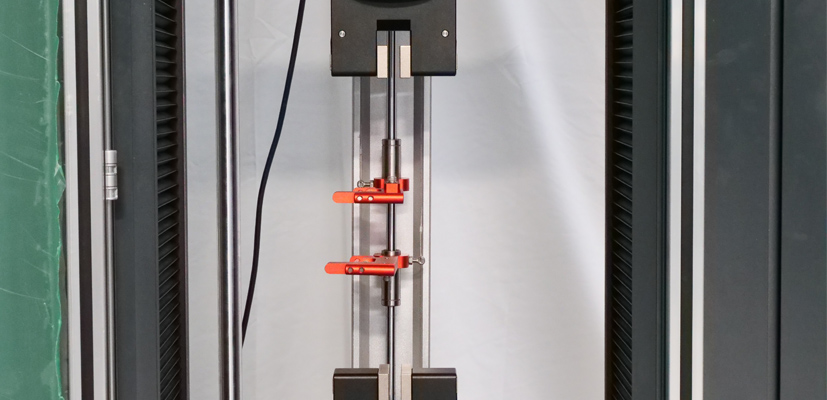
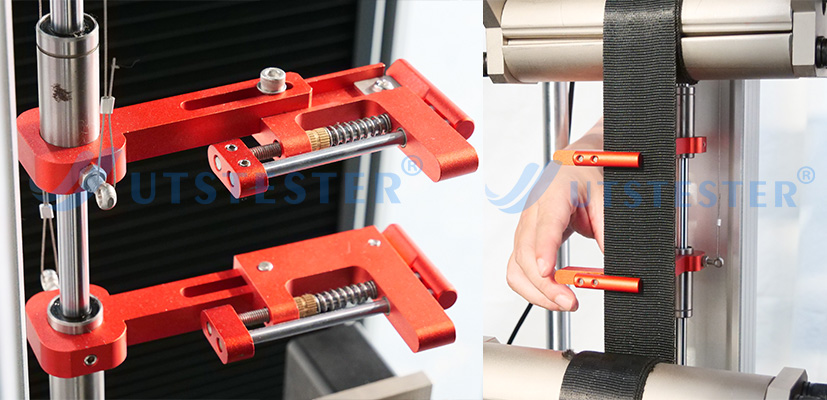
An extensometer is essentially a high-precision strain measurement instrument. It can be either contact-type (such as a knife-edge extensometer, which uses a knife-edge to directly contact the specimen) or non-contact (such as a video extensometer or laser extensometer, which uses optical tracking to track marked points on the specimen surface). Its purpose is to eliminate all interference and capture the material's true strain response within the gauge length. It can accurately measure key mechanical properties of a material, including elastic modulus (initial slope of the stress-strain curve), specified non-proportional extension strength (such as Rp0.2), yield strength, and uniform elongation. These critical parameters are highly dependent on the specimen's minute elongation during the elastic and small plastic deformation stages.


The use of an extensometer is a crucial step in testing:

1.For contacting extensometers, align the blade and gently press it against a marking point on the specimen's gauge section or a dedicated boss, ensuring perpendicular contact between the blade and the specimen. A slight preload should be applied to the blade to eliminate gaps, but not excessive enough to cause localized indentations or interfere with the specimen's free deformation. For non-contacting extensometers, a clear, high-contrast speckle pattern or marking point should be created on the specimen's gauge section. The lens focus, angle, and lighting should be precisely adjusted to ensure stable tracking of the marking point throughout the test.


2.Before formal testing, the extensometer must be calibrated using a standard gauge block to establish an accurate conversion relationship between its output signal and actual deformation. After installing the extensometer and before applying any load, perform a "zero reset" operation in the software to eliminate installation prestrain and system zero drift. Some systems also require a "gauge length setting" procedure to enter the actual gauge length of the extensometer.


3.Start the tensile test. The extensometer transmits the deformation signal to the controller or data acquisition system in real time. The extensometer status must be closely monitored to prevent accidental contact or slippage. It is particularly important to promptly and carefully remove some contacting extensometers just before the material enters or reaches the yield stage (for example, before significant necking occurs) to prevent the violent rebound upon specimen fracture, which could damage the expensive sensor. Non-contact extensometers, on the other hand, typically monitor the entire process until specimen fracture, fully capturing the necking and fracture process.

The mechanical properties of materials (especially elastic modulus, yield strain, and elongation) require extremely high deformation measurement accuracy. Extensometers accurately, in real time, and continuously capture minute deformations within the gauge length, eliminating equipment errors, human errors, and missed stage deformations, providing a key guarantee for the reliability of test results. From towering bridge steel to sophisticated microelectronic components, the precise strain data provided by extensometers has always been an indispensable cornerstone of modern materials science research and engineering safety design. They allow us to clearly understand the true response of materials under the action of force, providing a solid foundation for building a reliable world.


Email: hello@utstesters.com

Direct: + 86 152 6060 5085

Tel: +86-596-7686689

Web: www.utstesters.com

A Complete Guide to Different Paintbrush Filament Types From Natural Bristles to High-Tech Synthetics

A Complete Guide to Different Paintbrush Filament Types: From Natural Bristles to High-Tech Synthetics


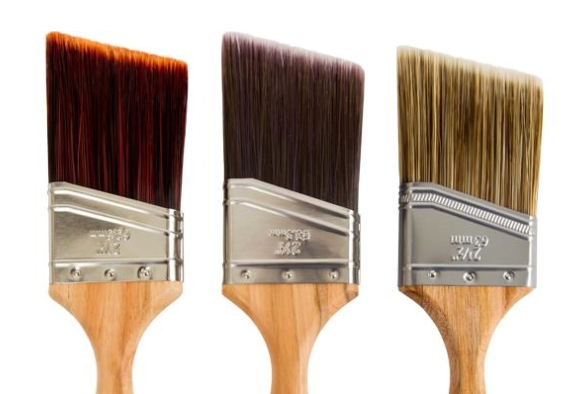
Choosing the right brush filament is crucial for a perfect paint job. This guide breaks down the features of the four main types to help you pick the best one for your project.


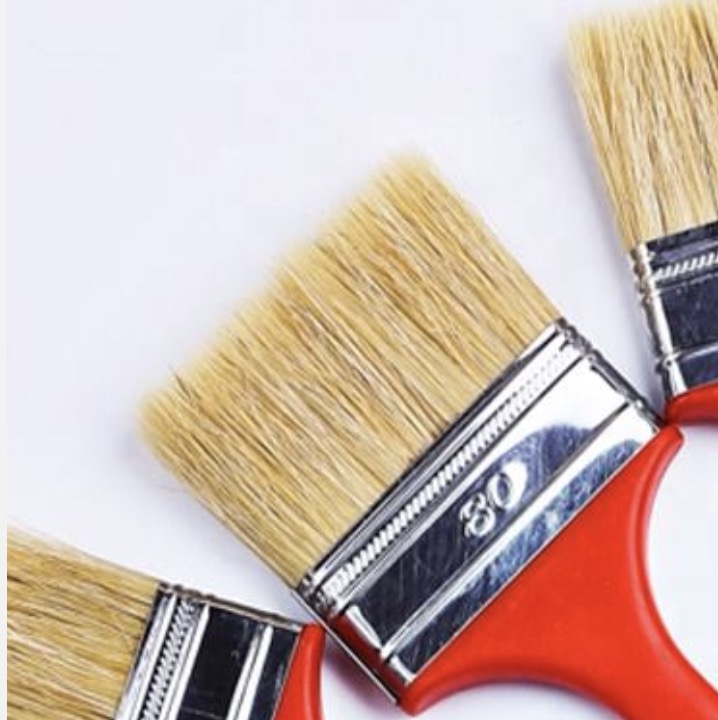
Natural Choice: Bristle Brush Filaments

Material Source: Mainly from hog bristles. Natural and eco-friendly.

Spring & Stiffness: Good springback and medium stiffness. Provides excellent control during application, helping paint go on smoothly without drips or build-up.

Paint Pickup & Release: Holds a decent amount of paint and releases it steadily. Means you don't have to keep dipping into the can, which speeds up your work.

Durability: Holds up well to repeated use and cleaning. However, it has weaker resistance to strong acids or alkalis and can be damaged in harsh chemical environments.

Best For: Oil-based paints. Ideal for furniture finishing, marine paints, and other jobs where a smooth, fine finish is key.


Precision Choice: Tapered (Microfiber) Filaments

Shape: Fibers are precision-tapered to a fine point. This lets the brush get into tiny cracks and detailed textures.

Finish: Creates an exceptionally smooth, even coat with a high-quality level surface. Perfect for demanding jobs like automotive touch-ups or painting electronics.

Wear Resistance: Highly wear-resistant. Holds its shape and performance over time, giving the brush a long lifespan.


Efficient Choice: Hollow (Hollow Core) Filaments

Structure: Hollow core construction makes the filaments very light. This makes the brush easy to handle and reduces arm fatigue.

Paint Pickup & Release: Superb paint capacity. Soaks up paint quickly and releases it evenly, minimizing waste. The hollow core helps paint flow smoothly for faster coverage.

Spring & Softness: Excellent springback and a soft feel. Conforms well to curved or irregular surfaces for a uniform coat.


All-Rounder Choice: Blend Filaments

Performance: Combines the best of both worlds – the spring and stiffness of natural bristle with the durability and paint capacity of synthetics. For example, mixing bristle with tapered synthetics gives a great finish and long brush life.

Versatility: By adjusting the blend ratio, these brushes can be tailored for a wide range of paints (water-based and oil-based) and various projects. A highly versatile, go-anywhere type of filament.


Brush Filament Comparison Chart

Feature Bristle (Natural) Tapered Synthetic Hollow Synthetic Blend
Material Source Natural Hog Bristle Synthetic Fibers Synthetic Fibers Natural + Synthetic Mix
Spring & Stiffness Good Spring, Medium Stiff Medium Spring & Stiff Good Spring, Soft Balanced Performance
Paint Pickup Moderate Good Excellent (High Capacity) Good
Durability Good (Avoid Harsh Chemicals) Excellent Good to Excellent Good to Excellent
Best For Oil-Based Paints, Furniture, Marine High-Finish Work (Auto, Electronics) Large Areas, Efficiency Versatile - Various Paints & Surfaces
Cost Level Medium Higher Medium Medium to High
Lifespan Medium Long Medium to Long Medium to Long
Maintenance Clean Well, Avoid Chemicals Easy to Clean Easy to Clean Varies by Blend


Quick Selection Guide:

· For a natural product: Choose Bristle.

· For detailed, precision work: Choose Tapered Synthetic.

· For speed and covering large areas: Choose Hollow Synthetic.

· For one-brush-fits-most versatility: Choose a Blend.


Regardless of which you choose, proper cleaning and care will extend the life of your brush and ensure great results every time. Hope this guide helps you choose the right tool for the job!


This article is for reference only. Specific choices should be based on actual project needs and conditions. 

Brush Handle Assembly Methods Compared Which One’s Right for Your Bristle Brush?

When it comes to assembling bristle brushes, how the brush head and handle are joined can make a big difference in durability, appearance, and production efficiency. Today, we’re breaking down two common methods used in the brush-making industry:
 

“Socket & Nail”  – The Secure & Clean Method

“Glue Pouring” – The Fast & Flexible Method

Let’s dive into the details so you can choose the best process for your needs. 


1. Socket & Nail  – Strong, Neat & Efficient

How It Works:

● The bristle tuft  is first inserted into a metal ferrule .

● A small amount of glue is applied to hold the bristles in place while drying.

● Once the glue sets, the ferrule is fitted tightly onto a wooden/metal handle .

● Finally, a nail or rivet  is driven through the ferrule and handle to create a rock-solid bond.


Why It’s Great:

Less glue = lower cost & no mess – Since only a small amount is used, there’s no glue overflow, keeping the brush looking clean.

Super strong & durable – The tight ferrule + nail reinforcement ensures the brush head won’t wobble or detach easily.

Premium finish – No unsightly glue stains, making it ideal for high-end brushes.

nailed paint brush-premium


2. Glue Pouring  – Quick & Forgiving

How It Works:

● The bristle tuft is placed in a metal ferrule, then filled with a generous amount of glue.

● The handle is immediately inserted into the wet glue.

● The assembly is left to cure naturally without needing tight tolerances.


Why It’s Used:

Faster production – No waiting for glue to dry before moving to the next step.More flexible with handle sizes – Since the fit isn’t tight, minor variations in handle dimensions are tolerated.Good for mass production – Works well when speed is prioritized over premium finish.

Downside: The glue seam may be visible, and the bond might not be as long-lasting as the nail method. 

glued paint brush


Which Method Should You Choose?

Factor

Socket & Nail 

Glue Pouring 

Durability

✅ Extremely strong (nail + tight fit)

⚠ Good, but less secure

Appearance

✅ Clean, no glue marks

⚠ May show glue residue

Production Speed

⚠ Requires drying time

✅ Faster (no wait)

Handle Tolerance

❌ Needs precise fit

✅ Flexible with sizes

Cost

✅ Lower glue usage

⚠ More glue needed

🔧 Best for premium brushes? → Socket & Nail

🔨 Best for fast, high-volume production? → Glue Pouring


Final Thoughts

Both methods have their place in brush manufacturing. If you want a long-lasting, professional-grade brush, the socket & nail method is the way to go. But if you need speed and flexibility, glue pouring can be a great alternative.

🛠 Need help choosing the right brush assembly for your product? Drop us a message—we’re happy to help you optimize your brush-making process!


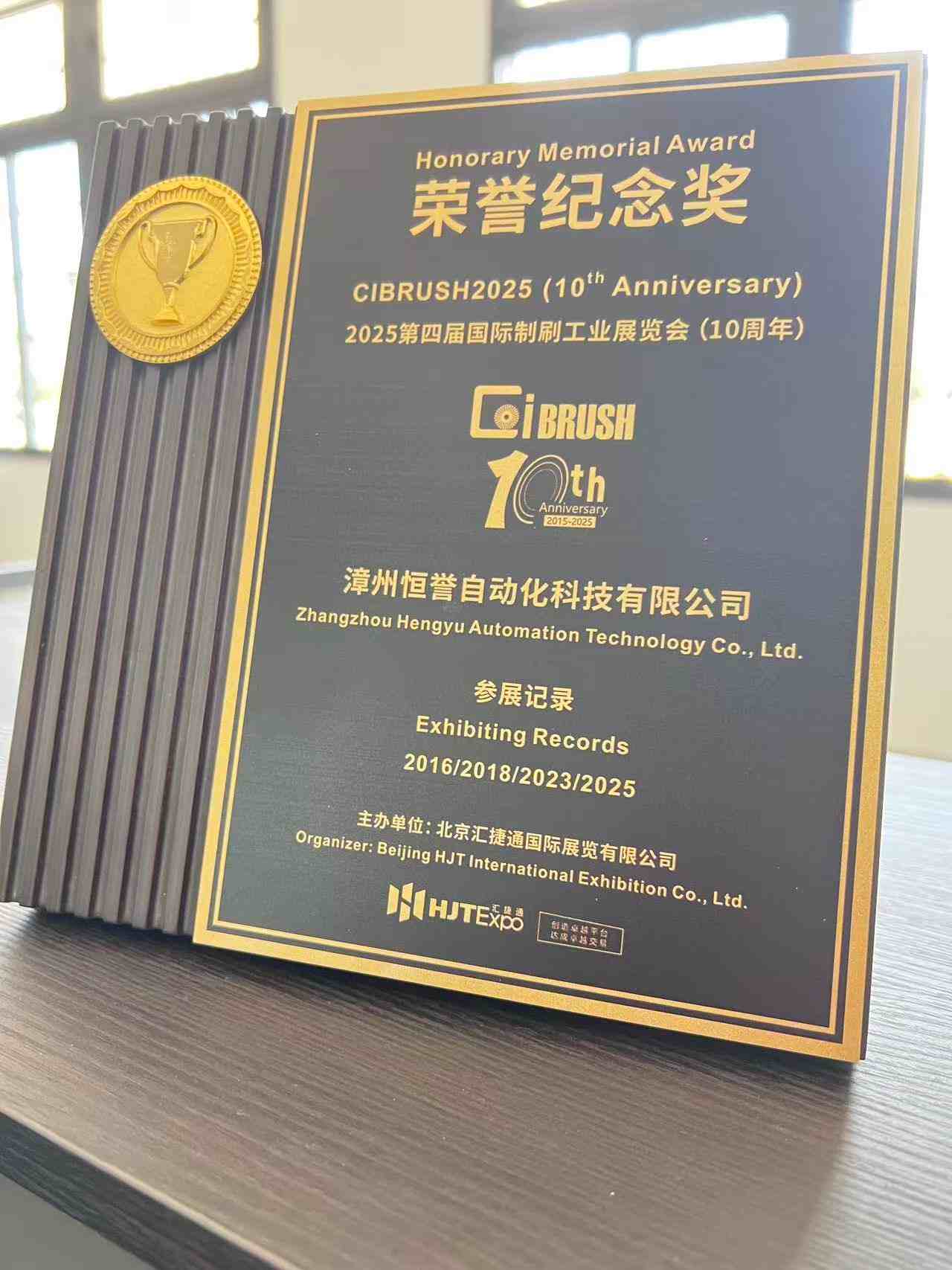
Celebrating 10 Years Our Milestone Award at the World's Leading Brush Industry Show

We’re excited to share that from December 9–11, 2025, we attended the 4th International Brush Manufacturing Industry Exhibition. This year marks a special milestone — our 10th anniversary since 2016! We were honored to receive the “10th Anniversary Commemorative Award” from the organizing committee.


As Zhangzhou Hengyu Automation Technology Co., Ltd., we are dedicated to the R&D and production of paintbrush manufacturing equipment and have grown into a leading brush machinery manufacturer in China. Over the years, we’ve built strong partnerships with clients across the globe, including Russia, Turkey, Brazil, India, and beyond.


We pride ourselves on delivering advanced technology and thoughtful after-sales support to ensure every customer’s satisfaction and trust.


Thank you to all our partners and friends in the industry! Let’s keep brushing the future together. 🎨

Revolutionize Your Brush Production Introducing the YTSZMJ-II Round Brush Head Machine

In the competitive brush manufacturing industry, maintaining quality while controlling costs is a major challenge. Relying on skilled workers for consistent brush head quality leads to high costs and limits growth.

Zhangzhou Hengyu Automation addresses this with the YTSZMJ-II Round Brush Head Machine. This precision automaton solution ensures impeccable consistency with material dosing accuracy of ±0.2g and produces uniform, aesthetically perfect brush heads for various shapes.

The machine significantly lowers production barriers, making it easy for new operators to use. Its durable design and low maintenance requirements effectively reduce long-term operating costs, offering a strong return on investment.

Move towards a more efficient and controllable manufacturing future. Contact us to learn how the YTSZMJ-II can integrate into your production line.

Zhangzhou Hengyu Automation Technology Co., Ltd. – Precision Engineered for Your Success.

What are the advantages of stainless steel pumps? Introduction to common stainless steel pumps

What are the advantages of stainless steel pumps?Introduction to common stainless steel pumps


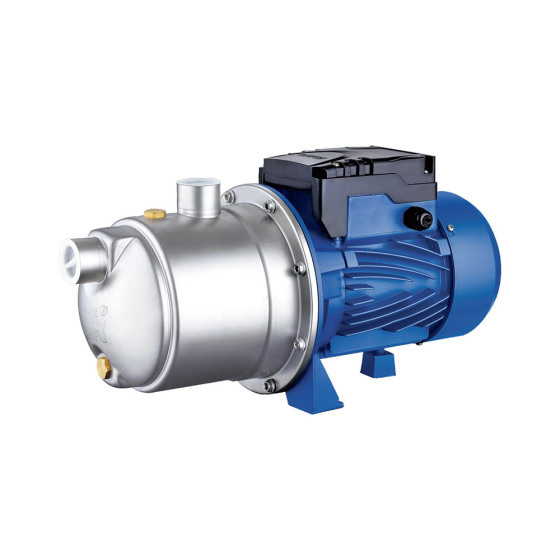
When transporting weak acid, weak alkali, salt and other media, the corrosion resistance of stainless steel pump is significantly better than that of other materials, but the price of stainless steel pump is slightly higher.


When transporting weak acid, weak alkali, salt and other media, the corrosion resistance of stainless steel pump is significantly better than that of other materials, but the price of stainless steel pump is slightly higher. As the saying goes, price equals price, so what are the highlights of stainless steel pumps compared with other materials?


stainless steel pumps are very resistant to corrosion and, more importantly, very durable. Stainless steel pumps are usually mainly used in different working and living environments in various ways, some of these social and environmental problems need to be corrosion-resistant, and some enterprises need our stronger drainage design capabilities, stainless steel pumps are made of high-strength stainless steel raw materials, which have strong corrosion resistance, and the use of pumps for this teaching material, there is no need to worry that the effect of the pump will be affected by the external economic environment, which is a stainless steel pump can be more suitable for students in various harsh environments, and continue to work healthily and stably.


stainless steel pumps are a little more expensive in their class, but their performance is impeccable. Stainless steel pumps have been products in the industry to occupy a position, and its cost-effective nature is self-evident.


stainless steel water pump can operate stably for a long time, the failure rate is very low after use, and the later maintenance is also very simple, which can meet the requirements of users for long-term use. Stainless steel pumps can convey a variety of different media, from tap water to industrial liquids, stainless steel pumps through stainless steel flow plate stamping process, adapt to different temperatures, flow rates and pressure ranges, stainless steel pumps are non-corrosive or lightly corrosive liquids, can transport temperatures up to 120


Common stainless steel pumps


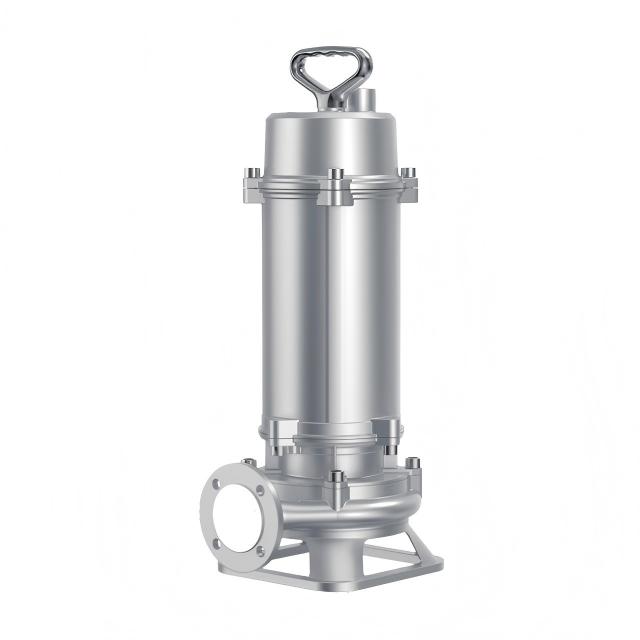
Stainless steel sewage submersible pump


Flow: 10~2800m³/h

Head:6~75m

Power:0.75~250kW


Product description:


1. Adopting stainless steel precision casting shell, it has the characteristics of corrosion resistance,environmental protection,high lift, and large flow rate.

2. The oil chamber adopts a double-sided mechanical seal made of fluororubber, while the outer chamber adopts a single-sided fluororubber mechanical oil seal structure, effectively reducing the problem of sealing water ingress caused by friction between the skeleton oil seal and the shaft.

3. The motor adopts high-temperature wire, F-class insulation, and thermal protection device, effectively extendina the service life of the pump.

4. According to customer requirements, a mixing device can be equipped, which generates a strong mixing force with the rotation of the motor shaft, stirring the sediment in the sewage tank into suspended solids and then discharging them. It can also be equipped with a cutting device, which can remove debris such as long fibers, plastic, paper bags, and straw from the sewage


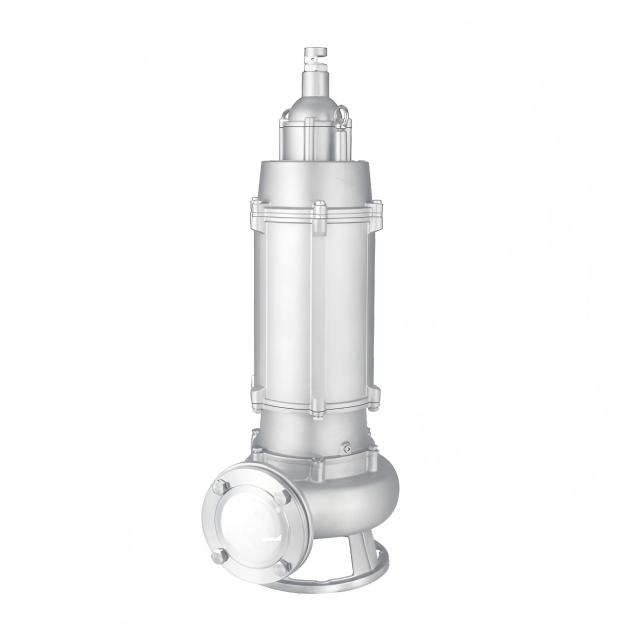
Stainless steel explosion-proof sewage submersible pump


Flow:7-220m³/h

Head: 6-60m

Power:0.75-15kw


Product description

1.Adopting stainless steel precision casting shell, it has the characteristics of corrosion resistance, environmental protection,high lift, and large flow rate.

2. The oil chamber adopts a double-sided mechanical seal made of fluororubber, while the outer chamber adopts a single-sided fluororubber mechanical oil seal structure, effectively reducing the problem of sealing water ingress caused by friction between the skeleton oil seal and the shaft.

3. The motor adopts high-temperature wire, F-class insulation, and a thermal protection device, effectively extending the service life of the pump.

4、According to customer requirements, a mixing device can be equipped, which generates a strong mixing force with the rotation of the motor shaft, stirring the sediment in the sewage tank into suspended solids and then discharging them. It can also be equipped with a cutting device, which can remove debris such as long fibers, plastic, paper bags, and straw from the sewage.

5. The explosion-proof level is Ex db llB T4 Gb.


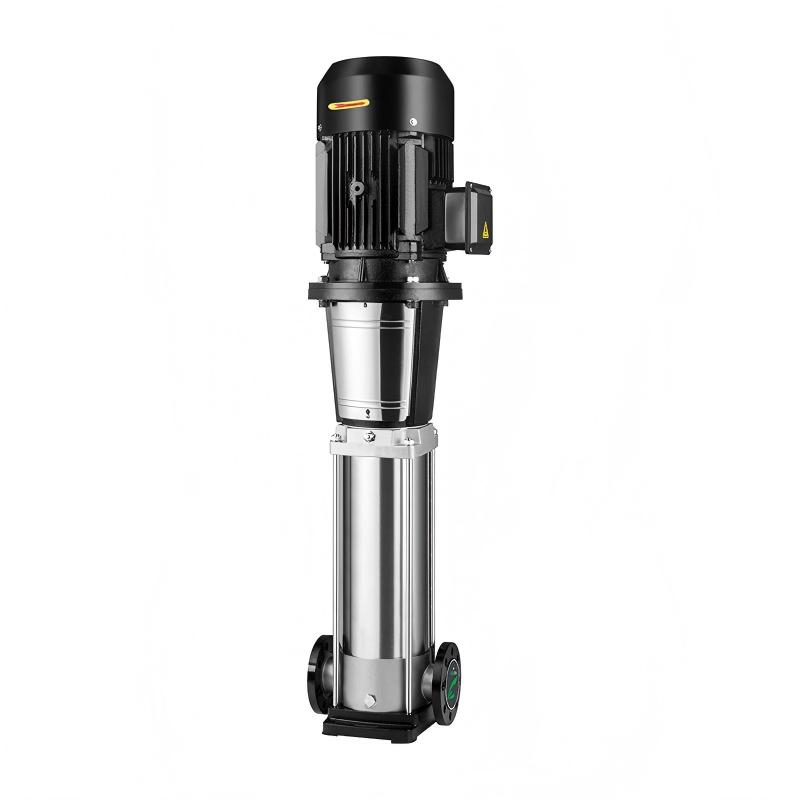
Light vertical multistage centrifugal pump


Flow: 2~240 m³/h

Head: 15~305 m

Power: 0.37~110 kW


Product Description:

CDL(F) is a multifunctional product, capable of transporting various media, from tap water to industrial liquids, suitable for different temperatures, flow rates, and pressure ranges. CDL (f) is suitable for mildly corrosive liquids.


Horizontal multistage stainless steel centrifugal pump


Flow: 0.5-26m³/h

Head: 7-52m

Power:0.37- 4.0kw


Characteristics:

horizontal multi-stage stainless steel centrifugal pumps are manufactured through advanced processes such as stamping and welding using stainless steel (SS304) plates. They have the characteritics of being lightweight, aestheticalh pleasing, material-saving, and highly efficient, Their performance reaches the advanced level of similar products.


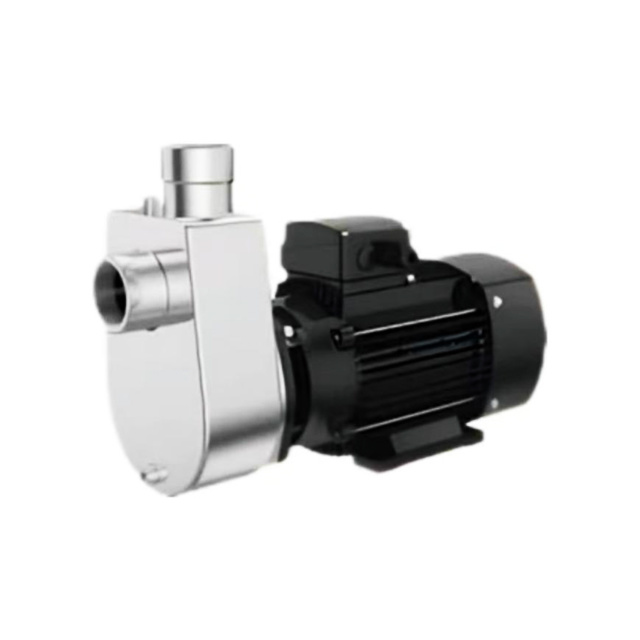
Stainless steel self-priming corrosion-resistant miniature electric pump


Flow: 3-15m³/h

Head: 8-22m

Power: 0.25-3kw


Characteristics:

1.Strong self-priming ability: There is no need to pour in priming water. It can automatically suck in the liquid after starting, which is convenient to use.

2.Good corrosion resistance: Made of stainless steel material, it can resist a variety of corrosive media and has a wide range of applications.

3.Compact size: With a compact structure, it takes up little space, making it easy to install and move.

4.Stable operation: With reliable performance, low noise and small vibration, it can work stably for a long time

5.Easy maintenance: With a simple structure and few components, it is easy to disassemble and repair.

A Comprehensive Guide To GT-C94 Protective Clothing Against Molten Metal

A Comprehensive Guide To

GT-C94 Protective Clothing Against Molten Metal


In metallurgy, casting, welding, machining, and other industries involving high-temperature molten metal operations, personnel face a very high risk of being burned by splashing high-temperature metal liquids. Therefore, protective clothing and textile materials must undergo strict high-temperature molten metal droplet impact performance testing to ensure that they can still provide effective protection for workers under extreme conditions.

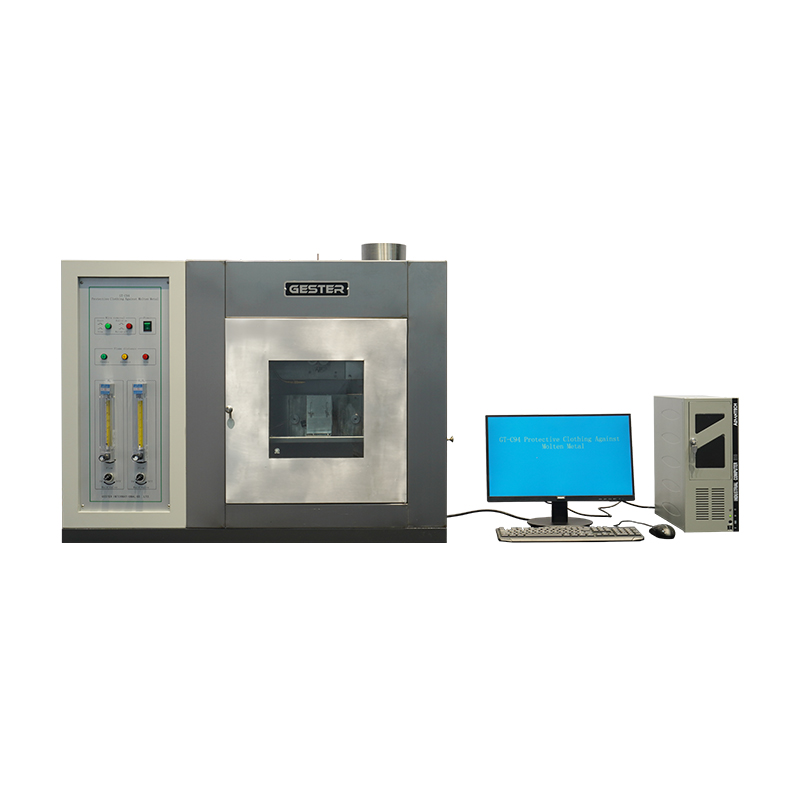
The GT-C94 Protective Clothing Against Molten Metal Tester is a professional device developed precisely for this need. It can simulate the real impact process when high-temperature molten metal droplets contact protective materials, thereby accurately evaluating their thermal protection performance.

I. Application of the Protective Clothing Molten Metal

When working in a high-temperature metal environment, the temperature of molten metal usually reaches above 1000°C. Once it splashes onto the surface of the clothing, even a very small droplet of metal may cause the clothing to be penetrated instantly and burn the skin. Therefore, both international and domestic organizations have formulated strict standards for protective clothing molten metal droplet testing, such as AQ 6103-2007, GB/T 17599, GB/T 8965.2-2009, ISO 9150, and EN 348.

The functions of the GT-C94 Protective Clothing Molten Metal are:

Generate high-temperature molten metal droplets through a controllable metal droplet system

Simulate droplets impacting the material surface with fixed frequency, weight, and drop location

Monitor the temperature rise on the back of the material

Evaluate the high-temperature protection level of the material under molten metal droplet impact

Its test results determine the safety rating of protective clothing and are an indispensable key link in the labor protection system of high-temperature industries.
II. Compliance with Multiple National and International Standards

The GT-C94 Splashes Impct Resistance Tester is developed and manufactured strictly in accordance with the following standards:

AQ 6103-2007
GB/T 17599
GB/T 8965.2-2009
ISO 9150
EN 348

These standards specify requirements for molten metal droplet generation method, droplet quantity, droplet weight, temperature measurement method, back temperature rise limitation, etc.

Through standardized structural design and program-controlled operation, the Splashes Impct Resistance Tester ensures consistency and high repeatability of the testing process, making it widely applicable to protective clothing manufacturers, third-party testing agencies, research institutions, and other units.

III. Generate Metal Drop Device

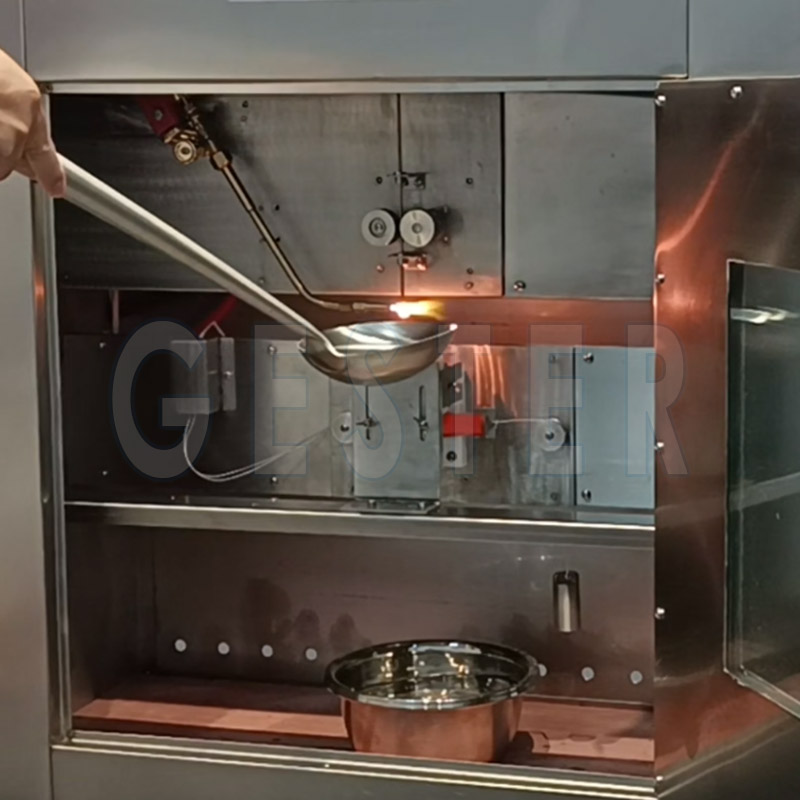
One of the core components of the GT-C94 molten metal splash tester is the molten metal droplet generation device. This system can steadily and continuously produce molten metal droplets that meet the requirements of the standards.

  • Oxyacetylene torch melting metal wire (stick) one end, welding tip caliber (1.2±0.1) mm;
  • The movement of metal wire (stick) controlled by wheel system motor speed regulation, motor wire feed rate (10±1) g/min;
  • Welding nozzle center vertical with wire (stick), the distance between welding tip and wire (stick) adjustable, usually it’s 12 mm;
  • Droplet weight (0.50±0.05) g;
  • Generate droplet frequency 20 drops/(min±3s);
  • Start distance from wire to welding burner;
  • Length of welding torch deep blue flame core;


IV. Droplet Guide Mechanism

  • Funnel guide: the angle between guidance axis and vertical adjustable, caliber can through diameter (8±0.2) mm metal strip, add lid on guide slot for it can cover when it not using.
  • Holder: bearing and funnel guide, its three-dimensional adjustable.

V. Temperature Sensing System

  • Sensor support: refractory insulation material, pyroconductivity is (0.125±0.015) W/(m·K), specific heat 1.15 J/(g·K), groove dimension of surface (13.5×11) mm while 40°C.
  • Temperature sensing system: armoured platinum resistor, coating high-temperature adhesive, resistance 100 Ω, clitheriform, dimension (12.5×10) mm, thermal response time ≤0.5 s while 0°C.
  • Record display: can display warming and its corresponding droplet no., time, frequency value on sample back; Guide slot test temperature >250°C, temperature rise on sample back ≥40 K will alert.
  • Precision: resolution ratio ≤±0.5 K, deviation between temperature display and alert function test ≤±0.4 K.
  • Structure and install: temperature sensor can contact by groove center nearby two hole’s guide line, four sides bolt can fix sensor support on sample frame.

VI. Sample Frame

  • Sample holder support can guarantee sample cling to sensor;
  • Put (175±5) g pre-tension on sample;
  • The location of sample on vertical and horizontal direction adjustable.


VII. Significance of GT-C94 Molten Metal Splash Tester

Helps enterprises evaluate whether protective clothing meets standards
Supports third-party agencies in conducting certification testing
Reduces occupational injury risks in metallurgy, casting, and other industries

With the continuous improvement of industrial production safety requirements, the testing demand for molten metal protective clothing will continue to grow, making the importance of GT-C94 molten metal splash tester increasingly prominent.

The GT-C94 Protective Clothing Against Molten Metal provides a professional, controllable, and highly reliable solution for high-temperature molten metal droplet protection testing through its precise metal droplet generation system, sensitive temperature monitoring device, scientific sample clamping structure, and intelligent software platform.

Agri Drones Are Making Crop Protection Easier for Diverse Tropical Crops


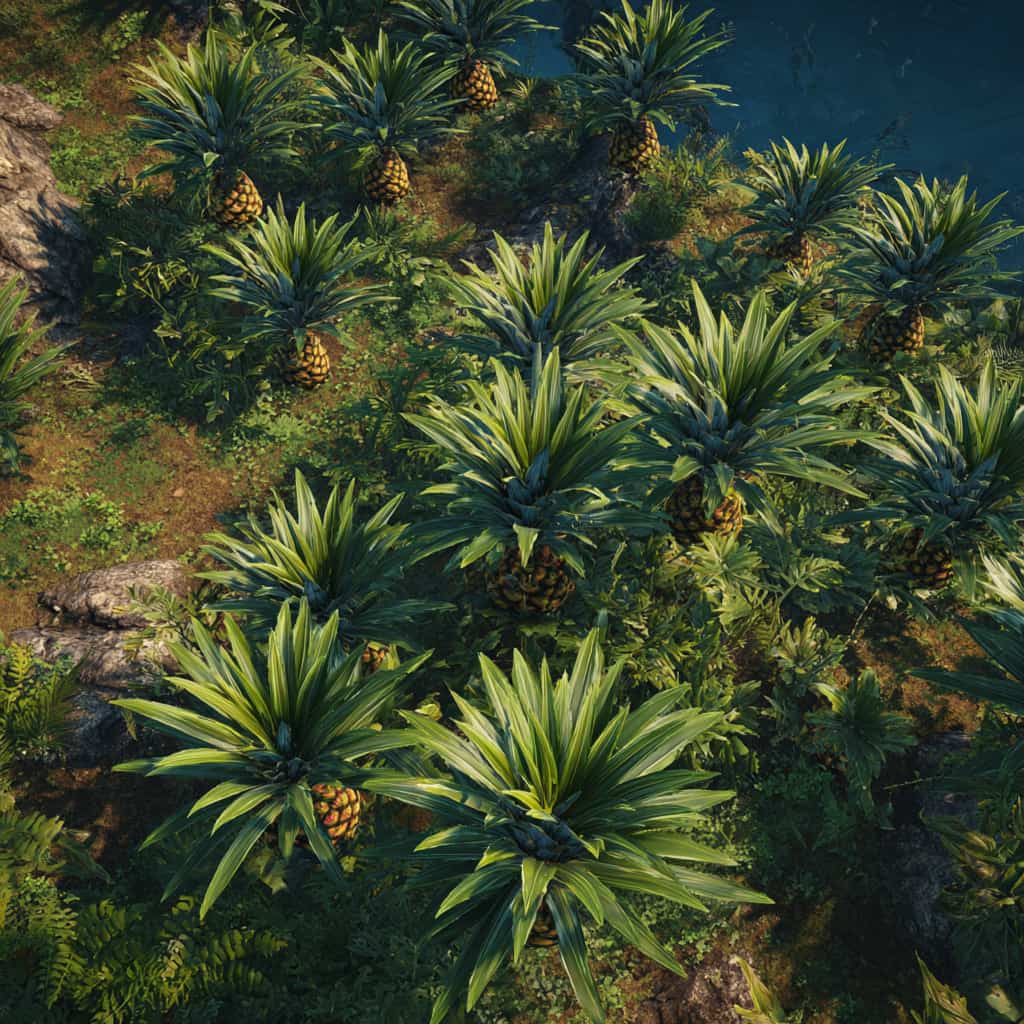
Tropical crops often present unique challenges when it comes to crop protection. Pineapples, mangoes, and other tropical crops each have their own challenges in pest and disease management. For example, pineapples are densely planted, which makes it hard for liquid pesticides to penetrate effectively. Traditional manual spraying is not only time-consuming but also inefficient, especially over large plantations.


This is where Topxgun's FP700 agricultural drone comes in. Designed for versatility and efficiency, FP700 can significantly improve both the speed and effectiveness of crop protection in tropical environments. Its adjustable atomization system allows spray droplet sizes between 30–500 microns, ensuring precise coverage suited to different crops.


  • #


Moreover, the drone's high-flow spraying capability, combined with the strong airflow generated by its propellers, helps the pesticide penetrate dense foliage. This ensures better coverage even in crops with complex planting patterns, such as pineapple and mango trees.


Farmers using the FP700 have reported considerable savings in time and labor while achieving more uniform application of pesticides. The ability to adjust droplet size and flow also allows operators to optimize treatments for different types of crops and stages of growth, making it a truly flexible tool for tropical agriculture.


In short, Topxgun's FP700 agricultural drone is helping growers tackle the specific challenges of tropical crop protection, offering a practical, efficient, and precise solution that goes beyond traditional spraying methods.

Agricultural Drones in Chile Opportunities and Challenges in a Diverse Landscape


Chile's agriculture is as diverse as its geography. From the dry Atacama Desert in the north to the rainy southern valleys, farmers grow crops from grapes and avocados to wheat, apples, and cherries. This variety makes Chile one of South America's most dynamic agricultural producers, but also a country with very different farming conditions from one region to another.


In recent years, agricultural drones have become a useful tool for Chilean farmers looking to manage crops more efficiently and reduce production costs. The country's long and narrow shape means farms are often located in hilly or hard-to-reach areas, where traditional ground equipment struggles to operate.


Here, drones like Topxgun FP700 or FP300E can make a big difference. They can spray pesticides, spread fertilizer, or monitor crops with precision, even on uneven terrain or small plots. For vineyards and fruit farms, especially those in central Chile, drones provide a faster, safer, and more targeted way to protect crops while using fewer chemicals.


Key Advantages

1. Efficiency and Coverage

Drones can cover large areas in a short time, reducing labor costs and saving water and chemicals through precise application.


2. Adaptability to Terrain

Many Chilean farms are located in valleys or slopes. Agricultural drones are ideal for these environments, offering flexible flight routes and stable spraying performance.


3. Cost Savings

Compared to traditional spraying methods that require tractors, fuel, and multiple operators, drones significantly lower operating costs. They also help reduce waste by delivering chemicals only where needed.


4. Safety and Environmental Benefits

Using drones keeps farmers away from direct contact with pesticides, minimizing health risks. At the same time, precise spraying reduces chemical drift and environmental impact, important factors for sustainable farming.


As Chile continues investing in smart agriculture, the role of drones will only grow. With robust hardware and intelligent flight systems, TopXGun agricultural drones are designed to adapt to various crops, helping farmers achieve greater precision and sustainability.

Boosting Peanut Farming Efficiency with Agricultural Drones


Peanuts are an important cash crop in many regions, widely used for food, oil production, and livestock feed. However, peanut cultivation faces challenges such as pest outbreaks, fungal diseases, and the need for precise nutrient management. Traditional crop protection methods are often labor-intensive, time-consuming, and less effective in ensuring uniform coverage.


Agricultural drones are transforming the way peanut fields are managed. With their ability to fly at low altitudes and cover large areas quickly, drones make pesticide and fertilizer application more precise and efficient.


Using drones for spraying operations offers several advantages:

  • Precision Application: Drones equipped with intelligent nozzles ensure fine droplet distribution, targeting peanut leaves and reducing chemical waste.
  • Labor Efficiency: One drone can replace several workers, significantly cutting down labor needs and operational costs.
  • Timely Operations: Weather and crop conditions often demand rapid responses. Drones allow farmers to carry out spraying at the optimal growth stage without delay.
  • Reduced Crop Damage: Unlike ground machinery, drones fly above the crop canopy, preventing plant damage and soil compaction.


In a peanut field operation, the process starts with preparing the pesticide solution and loading it into the drone's spraying tank. Flight parameters—such as altitude, speed, and spray rate—are set based on the crop's growth stage and field conditions. With just one click, the drone autonomously follows the planned route, applying inputs evenly across the field.


For example, during the peak growth stage of peanuts, drones can operate at:


Flight altitude: 3–4 meters above canopy

Flight speed: 6–7 m/s

Application rate: around 45–60 liters per hectare


TopXGun offers agricultural drones tailored to different farm scales:

FP700 Agri Drone – Designed for large-scale farms, with a 60L spraying tank, powerful 4D radar, and advanced autonomous flight planning for maximum efficiency.


FP300E Agri Drone – A compact and easy-to-operate model, ideal for medium and small farms, offering precise spraying and spreading functions with excellent maneuverability.