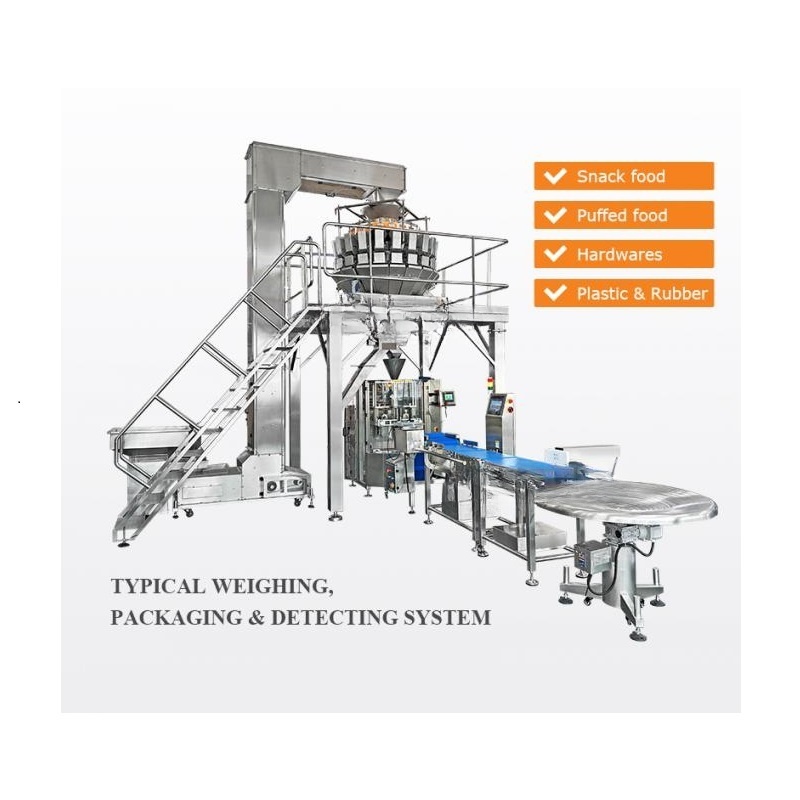
For manufacturers dealing with granular, irregular, or small-batch products—from nuts and candies to hardware fasteners and frozen dumplings—production bottlenecks often hide in the gap between weighing and packing. Traditional separate processes (e.g., manual weighing + semi-automatic packing) lead to slow throughput, inconsistent weights, and wasted labor. But a well-designed high-speed weighing and packing system, like UUPAC's Typical Weighing Packing Checking & Detecting Solution, integrates these steps into a seamless workflow. This guide breaks down how such systems boost output, their key components, real-world applications, and how to choose the right one for your production line.
1. First: What Products Benefit Most from UUPAC's System?
A high-speed weighing and packing system isn't a "one-size-fits-all" tool—it shines when paired with products that demand speed and precision. UUPAC's solution is tailored to 4 core product categories, covering most high-volume production needs:
Snacks & Dried Foods: Nuts (walnuts, almonds, pistachios), dried fruits (blueberries, red dates, raisins), candies, popcorn, potato chips, and pasta. These products often require gentle handling (to avoid breakage) and precise portioning (to cut overpack waste).
Pet Food: Granular or small-bite pet food, where consistency in each pack ensures customer trust and reduces material costs.
Frozen Foods: Dumplings, chicken wings, glutinous rice balls, and beef balls. The system's stable operation handles cold, slightly sticky frozen products without jams.
Hardware & Plastics: Small metal items (nails, bolts, screws, rivets) and plastic particles. These products need accurate counting + weighing to avoid underpacking (which risks returns) or overpacking (which wastes materials).
This wide applicability means you won't need separate systems for different product lines—one UUPAC setup can switch between snacks and hardware with simple adjustments.
2. 3 Core Ways UUPAC's System Maximizes Your Output
The goal of a high-speed weighing and packing system is to eliminate delays, reduce errors, and keep your line running smoothly. UUPAC's solution achieves this with 3 design-driven advantages:
① Fully Coordinated Automatic Control (No More "Wait Time")
Traditional lines often have mismatched speeds: a weigher that can handle 60 packs/min paired with a packager that does 80 packs/min, or vice versa—creating backlogs. UUPAC's system uses centralized control to sync every step:
It starts with auto-feeding (via the Z-type bucket conveyor) that adjusts to the weigher's speed, so there's no product shortage or overflow.
If no packaging bags are detected, the system pauses filling and sealing automatically ("no bags, no fill")—avoiding product spills and rework.
② Stable Operation + Low Energy Use (Less Downtime)
Downtime kills output. UUPAC's system minimizes stops with:
A balanced working platform: The design keeps the weigher, packager, and conveyors aligned, reducing vibration that causes jams or inaccurate weights. This stability means the system can run 8+ hours continuously without manual adjustments.
Energy-efficient components: The system uses only as much power as needed (e.g., slowing feeders when the weigher's hoppers are full), cutting electricity costs by 15% compared to older, less efficient setups.
③ Wide Weighing Range + High Accuracy (No Wasted Product)
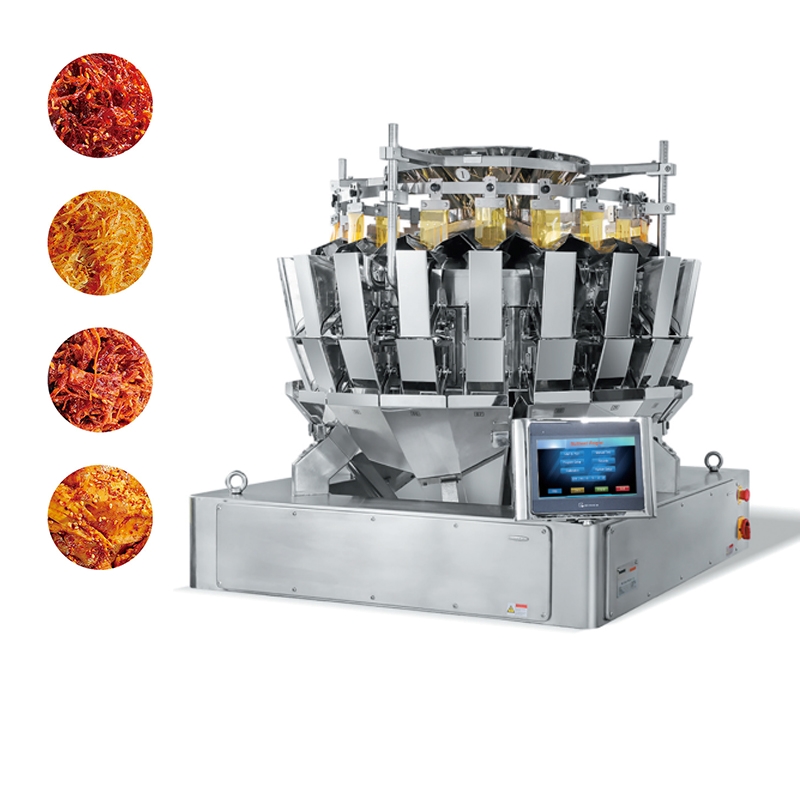
Output isn't just about speed—it's about producing sellable packs. UUPAC's system uses a 10/14 Head Computer Weigher (the core of the setup) to deliver:
A large weighing range: It handles small portions (e.g., 5g of candy) to larger batches (e.g., 500g of whole grains), so you don't need a separate weigher for different pack sizes.
Precise weighing: The multi-head design combines weights from independent hoppers to hit target weights with minimal error, reducing overpack waste.
3. Breakdown of UUPAC's System Components (What Makes It Work)
UUPAC's Typical Weighing Packing System is built from 5 essential units (plus 2 optional detectors) that work together to maximize efficiency. Each part has a clear role in keeping the line moving, and their coordination ensures no bottlenecks:
① Z-type Bucket Conveyor
② 10/14 Head Computer Weigher
③ Working Platform
④ VFFS (Vertical Form-Fill-Seal Machine)
⑤ Finished Product Conveyor
⑥ Optional Automatic Check Weigher
⑦ Optional Metal Detector/X-Ray Detector
Conclusion
A high-speed weighing and packing system isn't just an equipment upgrade—it's an investment in higher output, lower waste, and less stress. UUPAC's Typical Weighing Packing System stands out because it's designed for real-world production needs: wide product compatibility, stable operation, and flexible components that grow with your business.
If you're tired of production line slowdowns, contact us to learn how our system will maximize your output.
For manufacturers working with mixed materials—whether oatmeal blends, mixed nuts, or small-batch coffee-bean combinations—finding a reliable high accuracy 20 head computer weigher supplier means partnering with someone who solves your unique mixing-related pain points. Generic weighers often struggle with inconsistent accuracy (due to material density differences) or clunky integration (needing extra pre-mixing steps). A true supplier should deliver solutions tailored to these challenges, not just sell equipment. UUPAC's High Speed Mixing 20 Head 1.6/2.5L Combination Weigher is designed to fit mixed material workflows. Below's what to expect from a supplier that prioritizes your production needs—and how this model aligns with those expectations.
1. Verifiable High Accuracy, Tailored to Mixed Materials
A reliable supplier won't just list "high accuracy" as a feature—they'll tie it to the real-world challenges of mixed materials (e.g., varying particle sizes, density differences). You should expect:
Clear, application-specific accuracy metrics: For mixed products, the weigher should maintain consistent precision across different blends. This model offers ±0.1g accuracy and a 0.1g minimum scale interval, working for small batches (5g seed mixes) up to larger ones (1500g for 1.6L hoppers, 2000g for 2.5L hoppers). Before delivery, it's tested with common mixed materials (like 30% almond + 70% walnut blends) to ensure batches stay within tolerance.
Adjustments for material variability: Mixed batches often have slight differences in particle distribution (e.g., one batch with more small nuts, another with more large ones). This weigher includes automatic compensation—using data from recent batches to tweak weights, helping avoid overpacking or underpacking.
2. Design That Fits Mixed Material Workflows
A true supplier's weigher should adapt to how you work, not force you to rework your process. Key features to look for include:
Dual-compartment upper funnels: Loading two materials (e.g., oats and dried fruit) at once eliminates the need for pre-mixing before weighing—saving a step and reducing the risk of cross-contamination.
Flexible hopper capacities: Choosing between 1.6L (for smaller, denser mixes like coffee-bean blends) or 2.5L (for bulkier mixes like oatmeal + nuts) means you don't have to deal with spills from undersized hoppers or wasted space from oversized ones.
Switchable discharge chutes: If you use twin packaging machines for higher volume, the chute can switch between single and double without tools—helping you pair one weigher with two packagers to boost output.
3. Speed That Works With, Not Against, Stability
High-volume mixed material production needs speed—but not at the cost of breakdowns or inaccurate batches. A quality supplier will balance both:
Consistent speed for mixed loads: This model hits 140 packs per minute, which works for mid-to-high-volume lines (e.g., a breakfast cereal factory making 84,000 mixed oatmeal packs in a 10-hour shift). It uses staggered discharge to avoid bottlenecks, even when handling materials with different flow rates.
Vibration and load cell stability: Mixed materials (like light oats and heavy nuts) can cause uneven flow. The weigher has separate vibrators to control each material layer's thickness, and an integral frame to reduce vibration that throws off weights. This helps keep accuracy consistent, even at full speed.
Durability for daily use: Parts touching materials are food-grade stainless steel, and the design minimizes mechanical wear—so it can run 8+ hours a day, fitting long production shifts.
4. Transparent Value, Not Just Upfront Cost
A trustworthy supplier will help you understand long-term costs, not just quote a low price. Look for:
Low maintenance hassle: Modular parts mean if a hopper or sensor needs replacing, you only swap the faulty piece (not the whole head). The 10-inch touchscreen is intuitive, so your team can learn to operate and calibrate it quickly—cutting training time.
Energy efficiency: It uses smart power management (idle heads shut down automatically) and a 220V, 50/60Hz supply, which helps reduce electricity use compared to older models—saving on long-term utility costs.
Conclusion
A true high accuracy 20 head computer weigher supplier focuses on solving your problems—whether that's inconsistent mixed material weights, extra production steps, or unexpected maintenance costs. UUPAC's High Speed Mixing 20 Head 1.6/2.5L Combination Weigher is built to address these pain points, with features that fit mixed material workflows and support that extends beyond purchase.
If your mixed material production is still held back by inconsistent weighing, extra pre-mixing steps, or slow output, UUPAC is ready to help. Reach out to share details of your blend—whether it's nuts + seeds, oats + dried fruit, or other custom mixes. We're looking forward to partnering with you!
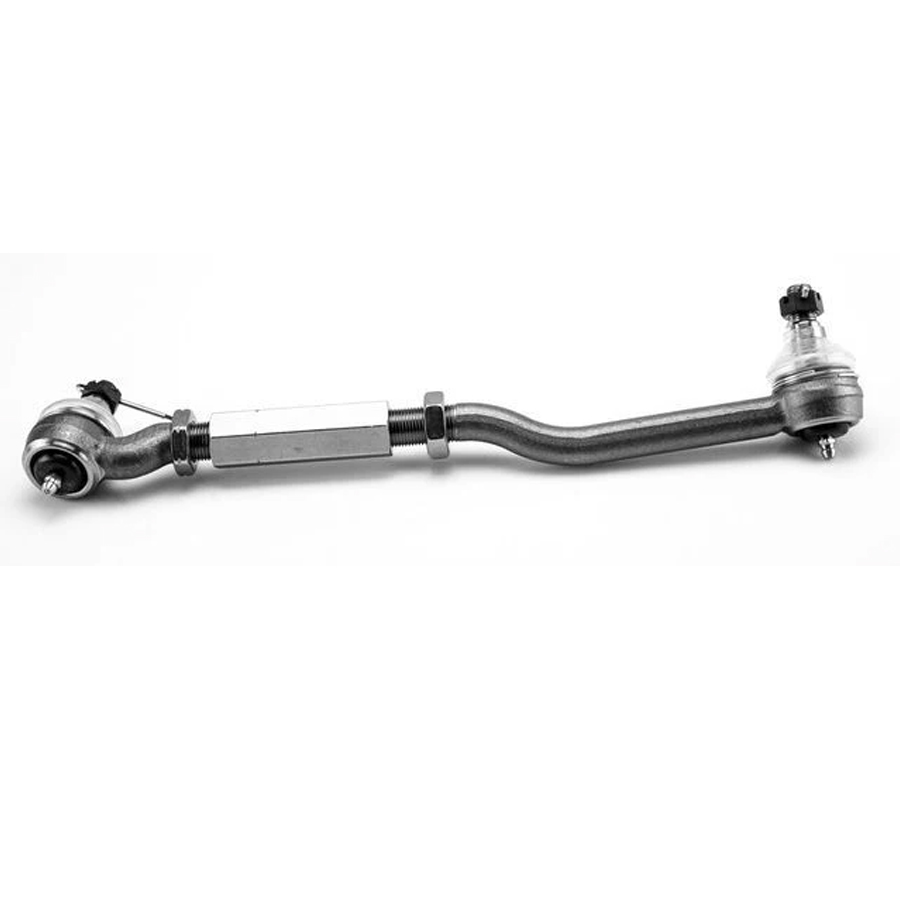
When it comes to maintaining precise steering control and suspension stability—especially in trucks and SUVs—the side rod assembly plays an indispensable role. As part of FENGYU’s comprehensive steering and suspension lineup, we proudly introduce our high-quality Side Rod Assy 48510-01W00, engineered to restore factory-level performance across a wide range of popular vehicle models.
With over 30 years of manufacturing expertise in automotive steering systems, FENGYU delivers side rod assemblies designed for precision fit, enhanced durability, and easy installation. Whether you’re servicing a rugged pickup or a family SUV, our components help ensure safe and responsive handling under all road conditions.
Comprehensive Vehicle Coverage
FENGYU’s Side Rod Assy 48510-01W00 is developed with broad compatibility in mind. It is engineered to meet or exceed OE specifications for a variety of popular models, including:
Nissan Side Rod Assembly – Compatible with Nissan Titan, Frontier, and Pathfinder
Toyota Steering Rod – Suitable for Toyota Hilux, 4Runner, and Land Cruiser
Ford Side Linkage – Ideal for Ford F-150, Ranger, and Expedition
Chevrolet Steering Linkage – Fits Chevrolet Silverado, Tahoe, and Suburban
Honda & Mazda Side Rod Assy – Optimized for Honda Pilot and Mazda BT-50
We also supply custom side rod assemblies for other American, Japanese, and European models—helping distributors and repair shops serve a diverse customer base with just one reliable source.
Built to Endure: Superior Materials & Engineering
Every FENGYU Side Rod Assy 48510-01W00 is manufactured using high-strength carbon steel and precision cold forging to ensure structural integrity under heavy loads and repeated stress. Key features include:
Corrosion-Resistant Coating: Multi-layer zinc-nickel plating offers superior rust prevention, ideal for regions with salted roads or high humidity.
Precision Ball Joints: Heat-treated pivot points and advanced polymer bushings reduce friction and wear, delivering smooth steering feedback and extended service life.
OE-Equivalent Design: Dimensional accuracy within 0.01mm ensures hassle-free installation with no modifications required.
These engineering choices result in a long-lasting steering component that stands up to both daily commutes and demanding off-road use.
Customization & OEM/ODM Support
FENGYU understands the value of brand differentiation. We offer flexible OEM and ODM services for all side rod assemblies, including:
Custom finishes such as black phosphate or electroplated zinc
Laser-etched logos, part numbers, or barcodes
Branded packaging options—from bulk poly bags to retail boxes
With a low MOQ of just 100 pieces, we help wholesalers and distributors build a unique product lineup without high inventory risk.
Rigorously Tested for Reliability
Each Side Rod Assy 48510-01W00 undergoes stringent validation under FENGYU’s IATF 16949 and ISO 9001-certified quality system. Tests include:
Salt spray testing (up to 1,000 hours)
Fatigue and torque endurance validation
Dimensional and hardness inspections
These protocols ensure every assembly meets global performance and safety benchmarks.
Global Logistics & Expert Support
FENGYU maintains ready stock of over 100,000 steering and suspension components, including side rod assemblies, enabling fast order turnaround. Our experienced customer service team provides end-to-end support—from technical guidance to after-sales and warranty services—helping you maintain a trustworthy reputation in your local market.
Strengthen Your Steering Portfolio with FENGYU
As a factory-direct side rod assembly supplier, FENGYU combines competitive pricing, three decades of export experience, and proven product quality to help your business thrive.
Contact FENGYU today to request a free sample, catalog, or customized quotation. Let’s steer your success together.
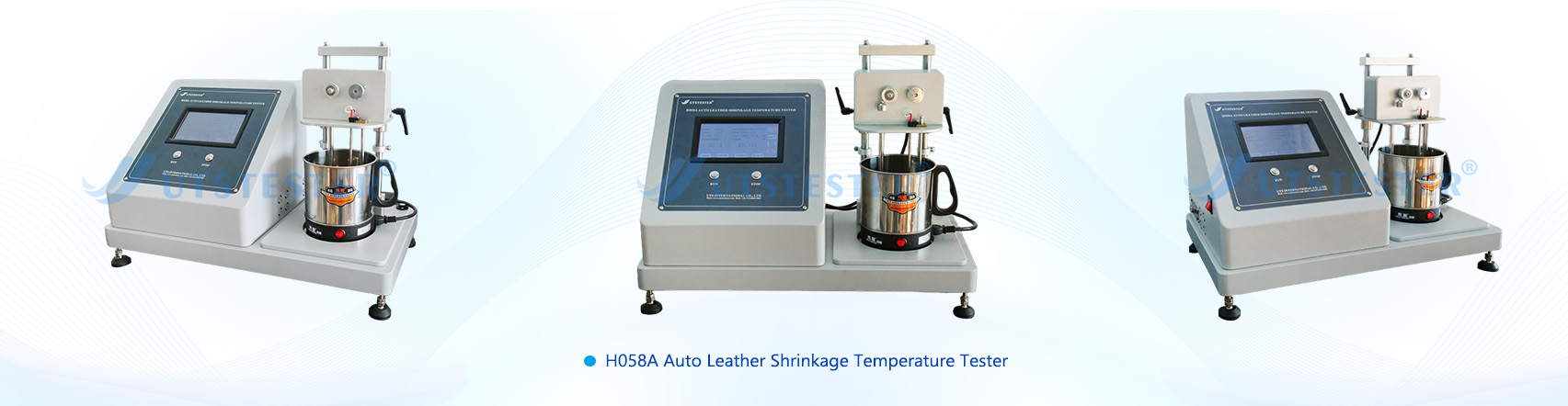
Applicable for testing the shrinkage temperature of leather.
2. Compliance Standards
Complies with ISO 3380, IULTCS/IUP 16, QB/T 2713-2005, and other standards.
3. Technical Parameters
3.1 Temperature Control Range: Ambient to 100°C, with tensile displacement distance 0-110mm;
3.2 Heating Rate: 2±0.2°C/min
3.3 Heating Medium: Distilled water or deionized water
3.4 Test Load: 0-3g
3.5 Instrument Dimensions: 630x330x450mm (L x W x H)
3.6. Instrument Weight: 17kg
3.7. Power Supply: Single-phase 220V, 50Hz
3.8. Control System: PLC
3.9. Operating Interface: 7-inch color touchscreen with Chinese/English language switching
3.10. Touchscreen displays test data curves and real-time temperature readings
4. Composition
The leather shrinkage temperature tester is a device used to measure the temperature at which leather shrinks during heating. This tester typically consists of a heating unit and a measurement system.
During the leather shrinkage temperature test, the sample is usually a small leather patch or fabric. The sample is placed in the heating device and heated to a specific temperature. As the temperature rises, the leather begins to shrink until it reaches the shrinkage temperature. The measuring system records and displays the leather's shrinkage temperature.
5.1 Quality Control: Shrinkage temperature is a key indicator for assessing leather quality. By conducting shrinkage temperature tests, the leather's shrinkage performance can be evaluated to determine compliance with quality standards.
5.2 Material Research and Development: Testing the shrinkage temperatures of different materials helps R&D personnel understand the shrinkage characteristics of various leather types during heating, providing reference for new material development and improvement.
5.3 Production Process Optimization: Testing leather shrinkage temperatures under different heating conditions enables optimization of production processes, enhancing production efficiency and product quality.
5.4 Market Competitive Analysis: Understanding competitors' product shrinkage temperatures aids in formulating competitive strategies and market positioning.
Fabric waterproofness is a special requirement for clothing performance and can be categorized into two main categories: waterproofness and impermeability.
I. Waterproofing
Waterproofing is correctly termed "water repellency." A common method involves adding a hydrophobic compound additive to a liquid tank at the entrance of the finishing machine. The fabric is then fed into the tank, padded, and dried, depositing the hydrophobic compound on the fiber surface. The hydrophobic compound modifies the surface tension of the fibers, limiting their reactivity and reducing the attraction of water molecules to the fibers (fiber surface tension is less than the cohesive force of water molecules). Water forms rolling droplets on the fabric surface (much like a lotus leaf pushing dewdrops). This is also known as "water repellency" or "waterproofing" (abbreviated W/R). See the figure below:
Fabric pores allow air and water vapor to pass through, but if water remains trapped in these pores for extended periods or under pressure, it can still penetrate and even absorb moisture. When wearing waterproof clothing in the rain, water droplets will roll off or shake off, but whether the inner layer of the garment or any undergarments becomes damp depends on the amount of rain and the duration of exposure. The surface water-repellent effect of clothing gradually diminishes with washing and prolonged use, eventually becoming ineffective. Therefore, water repellency essentially reduces the fabric's ability to absorb water; it's not truly waterproof, but simply labeled "waterproof."
II. Waterproofing
Waterproofing is truly waterproof. "Waterproof" means resisting or preventing water penetration, which means it's truly waterproof.
True waterproof fabrics are superior to waterproof fabrics. Their physical and chemical properties are relatively stable and generally withstand washing and long-term use. True waterproofing creates an impermeable barrier on one side of the fabric, requiring a high water pressure rating, such as 3000mm or higher. Waterproofing typically involves applying a rubber-based layer or film to the reverse side of the fabric to prevent water penetration. Common methods include coating and lamination.Coating involves applying a fabric coating adhesive or film to one side of the fabric, creating a waterproof membrane. Common methods include direct coating (dry, wet, or hot melt) and transfer coating. Lamination typically involves pressing a layer of waterproof membrane material (commonly known as a "waterproof membrane") onto the fabric to form a single layer. Regardless of whether the fabric is waterproof or not, the membrane adhered to the fabric always acts as a barrier to water penetration. Another lamination method, hot melt calendering, bonds a polymer waterproof membrane to the fabric, achieving the same barrier effect.True waterproofness (or water penetration) is measured and evaluated by resistance to water pressure, measured in millimeters of water column. Using a fixed surface area of waterproof fabric, water is prevented from penetrating from one contact surface to the other. As water pressure increases, the pressure corresponding to the third drop of water penetrating from the surface is the fabric's resistance to water pressure. Generally speaking, fabrics that withstand a water pressure exceeding 1000 mm are considered to have basic waterproofing.
III. Fabric Waterproofing Test
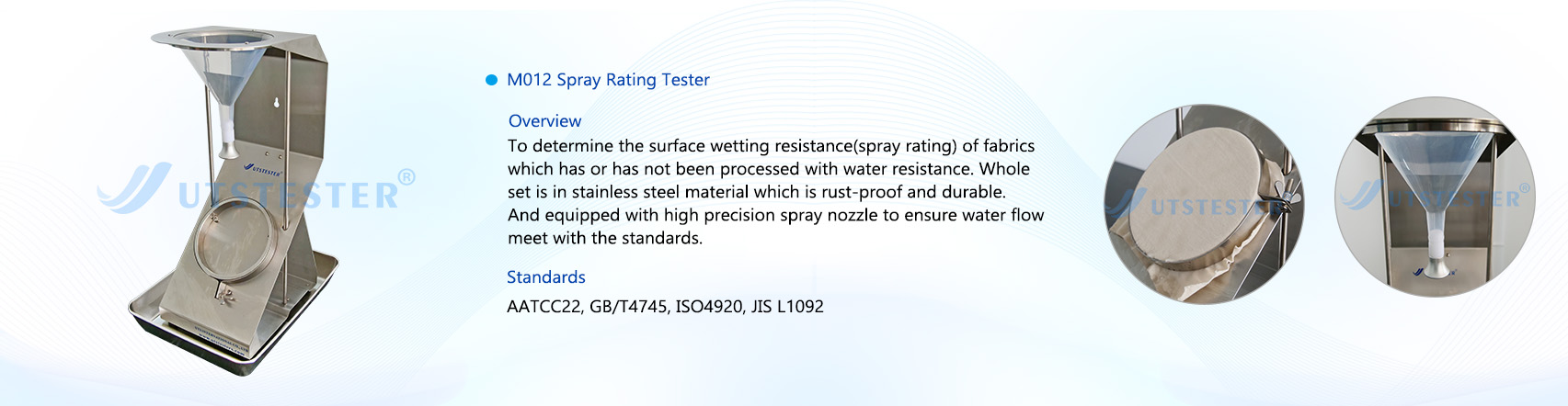
1. Spray Method: AATCC 22-2025 Waterproofness Test
Test Procedure: Under specified conditions and procedures, water is sprayed onto a stretched specimen to form a wet streak on the surface. The size of the wet streak correlates to the fabric's water repellency. The evaluation result is determined by comparing this wet streak with a standard wet streak.
The spray method evaluates the water repellency of fabrics by continuously spraying or dripping water onto the specimen. After a specified period of time, the surface water stain characteristics of the specimen are observed and compared with photographs of specimens at different levels of wetting. The spray method simulates the degree of wetting experienced by clothing in light rain.
This method is applicable to all waterproof and non-waterproof fabrics. The measured waterproof performance results are closely related to the fiber, yarn, fabric treatment and fabric structure. It is usually measured using a spray-type waterproof tester. In the AATCC 22-2005 test method, the test sample is fixed with an iron ring. The sample is kept taut and the surface is flat and wrinkle-free. Distilled water is sprayed from a standard nozzle at a 45-degree angle, aimed at the sample below the nozzle, for 25-30 seconds. The bottom of the iron ring holding the sample is tapped once on a solid object with the test surface facing the solid object. The iron ring is then rotated 180° and tapped again. The sprayed sample surface is then compared with the standard chart and scored to evaluate the waterproof performance of the fabric.
The rating scale is 5, with 5 being the best and 1 being the worst. Level 5: No water droplets on the specimen surface; Level 4: Slightly wet spots on the specimen surface; Level 3: Obvious raindrops on the specimen surface; Level 2: Partially wet specimen surface; Level 1: Completely wet specimen surface.
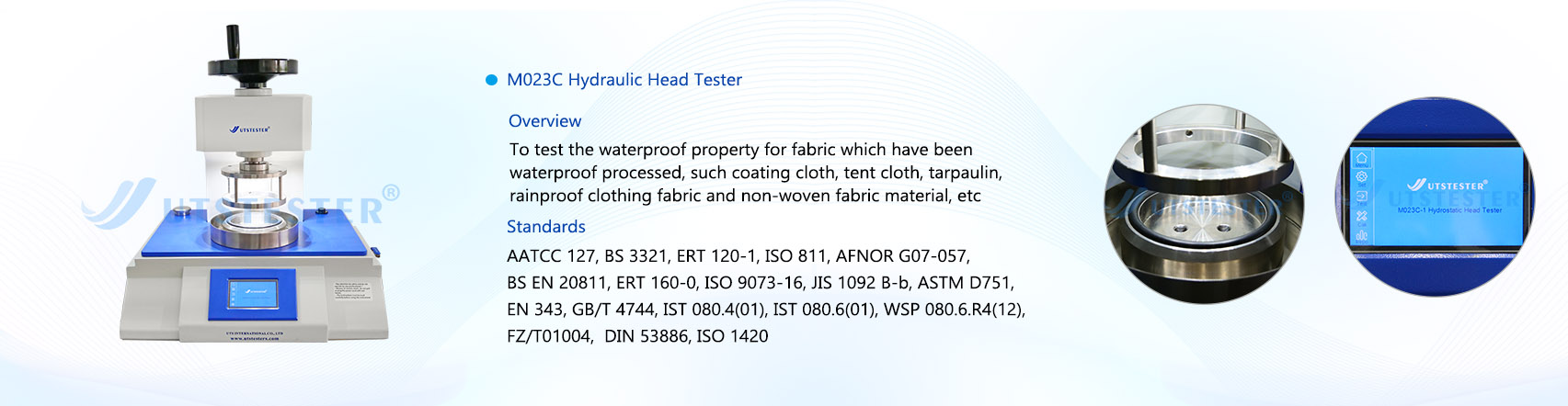
2. Hydrostatic Pressure Test: AATCC 127-2003 Water Resistance: Hydrostatic Pressure Test
Test Procedure: Apply water pressure to one side of the specimen at a steadily increasing rate until three water penetrations are observed on the other side. Water pressure can be applied from the top or bottom of the specimen. Hydrostatic Pressure Tester
Hydrostatic Head Tester
The hydrostatic pressure test measures the water permeability of a fabric under a certain water pressure. This test is suitable for all types of fabrics, including those with water-repellent treatments.
A fabric's water repellency is related to the water resistance of the fibers, yarns, and fabric structure, and differs from the results obtained when water is sprayed or rained on the fabric surface. There are two methods for measuring fabric water repellency: static pressure and dynamic pressure. The static pressure method applies hydrostatic pressure to one side of the fabric and measures the amount of water released under this pressure, the time it takes for the water to drip off, and the hydrostatic pressure at a given water release rate. Hydrostatic pressure can be expressed as the height of a water column or pressure. In actual testing, water permeability per unit area and per unit time (mL/cm²·h) is measured.For waterproof fabrics, the time it takes for a water drop to appear on the other side of the sample is measured, or the number of water drops that appear on the other side after a certain period of time is observed. In the AATCC 127-2003 test method, at least three samples measuring 200 mm x 200 mm are taken diagonally from the sample to be tested. The two sides of the sample are marked with different water resistance levels. The test is conducted using distilled water at (21 ± 2)°C over a test area of 100 cm². The test surface is immersed in water, and the water pressure is increased at a rate of 60 mbar/min (or 10 mm/s).The test is terminated if water droplets appear at three different locations on the sample. However, water droplets appearing within 3 mm of the sample holder are invalid. The test result is the average of three test samples tested under the same conditions. The higher the test value, the greater the pressure required for water to seep out of the sample, indicating better water resistance.
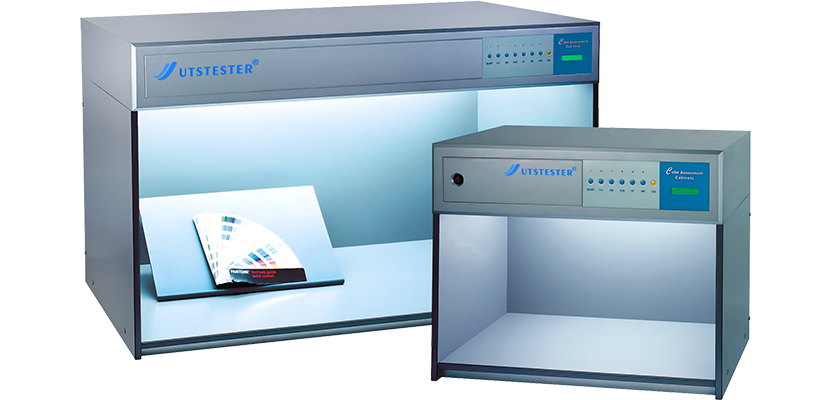
Color matching light boxes, as optoelectronic devices for color inspection, typically incorporate multiple types of standard light sources internally. However, the specific light sources configured vary across different models of color matching light boxes. Below is an introduction to the most commonly used light sources in color matching light boxes.
The most commonly used color-matching light sources in standard light boxes include A, D65, TL84, CWF, and U30. These light sources are often combined and arranged by professional manufacturers within a single standard light box for customer use. Different light boxes may have varying configurations to meet the diverse needs of different customers.
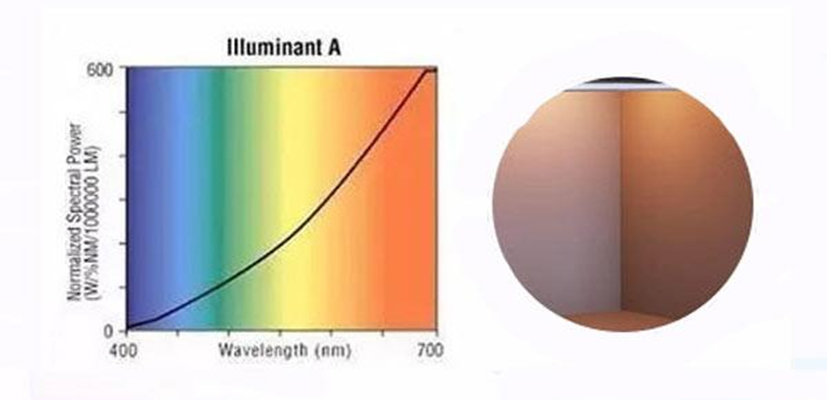
1. A (INCA) Light Source
The A light source is a gas-filled spiral tungsten filament lamp with a color temperature of 2856K. It is a typical incandescent lamp primarily used for accent lighting in residential interiors or retail spaces.
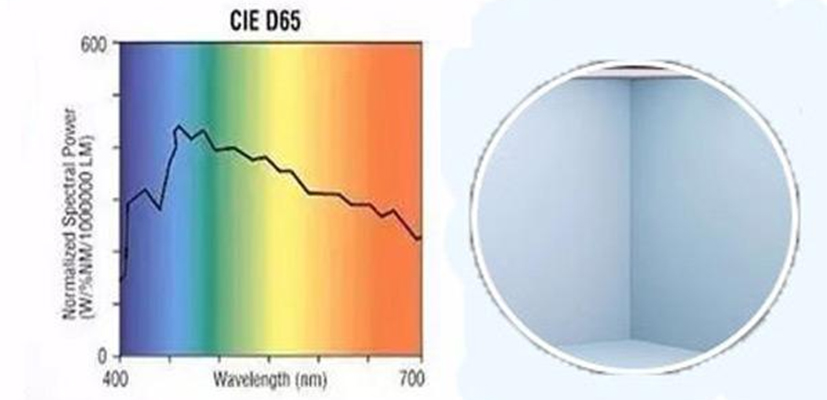
2. D65 Light Source
Among the D-series standard illuminants, CIE recommends D65 as the preferred illuminant. D65 represents average daylight with a correlated color temperature of 6500K, derived from measurements of overcast northern hemisphere daylight at a north-facing window—averaged across all seasons and times of day. D65 is an indispensable standard light source in numerous standards, including ISO 105-A01 “General Rules for Testing the Colour Fastness of Textiles” and ASTM D1729 “Standard Practice for Visual Evaluation of Opaque Materials.” However, due to the unique spectral power distribution of D65, no artificial light source currently exists that can emit light with an identical spectral power distribution to D65; only approximate simulations are possible. In most standard lightboxes, two high-color-rendering fluorescent lamps are used to simulate the D65 light source. In the GretagMacbeth SPLⅢ standard lightbox, however, tungsten-filtered halogen lamps employ tungsten-filtered technology to simulate the D65 light source.
3. Commercial Lighting Sources (F Series)
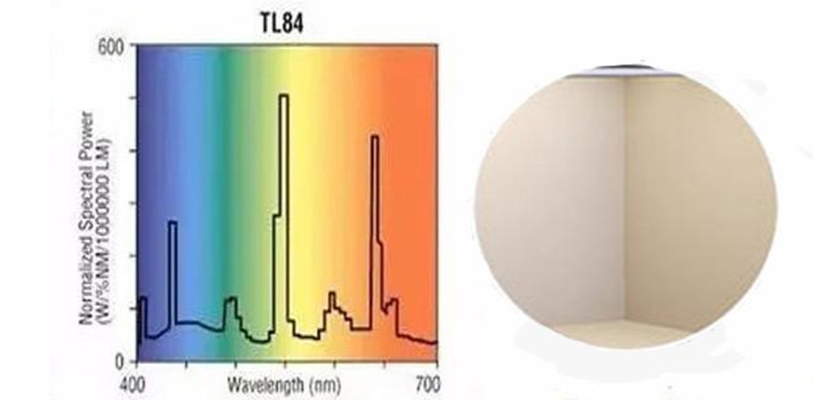
The TL84 (F) light source belongs to the F series of fluorescent light sources, a proprietary product of Philips. Widely used in Marks & Spencer stores across the UK, it has become a key commercial color-matching light source in the European market. The TL84 light source typically employs Philips' “TLD” (thin-walled) fluorescent tubes coated with rare-earth phosphors. It is a trichromatic fluorescent lamp with a correlated color temperature (CCT) of 4000K. CWF light source (F2) is primarily used in commercial and office settings in the United States, with a correlated color temperature of 4150K. CWF stands for Cool White Fluorescent.
U30/TL83 light source (F12): U30, fully named Ultralume3000, is also a trichromatic fluorescent lamp with a correlated color temperature of 3000K. Sears department stores across the United States utilize U30 tubes manufactured by Westinghouse Electric Corporation. The U30 light source is equivalent to the TL83 light source used in Europe. In the GretagMacbeth Judge II standard lightbox, the Philips TL83 fluorescent lamp is employed to achieve the U30 light source.
4. Other Light Sources
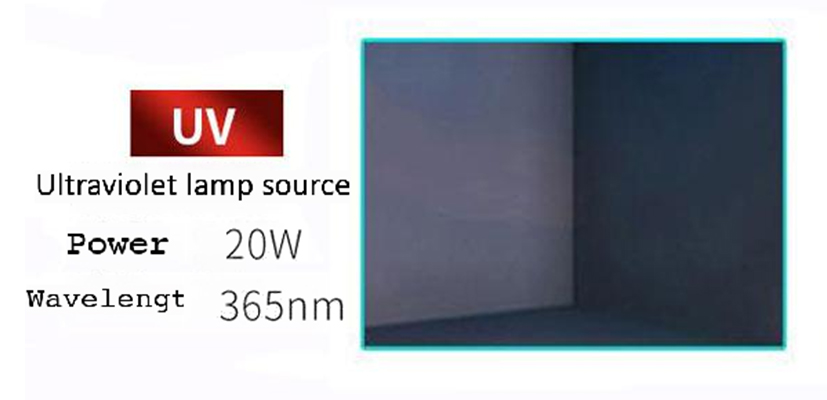
In addition to the above light sources, standard light boxes typically include a UV light source. This ultraviolet lamp is often used alone or in combination with other light sources to inspect fabrics for whitening agents and fluorescent dyes. Additionally, some light boxes feature a HOR (HORIZON) light source. This halogen tungsten lamp simulates daylight during dawn or dusk.
As soon as I arrived at the company on Tuesday morning, a message popped up in the technical support group, With the anxiety of French customer Pierre - the bending angle of the ZYCO bending machine in their workshop suddenly could not be adjusted correctly.
Pierre spoke quickly over the phone, explaining that he'd recently tried to optimize the production process, so he fumbled around and tweaked a few parameters in the system. The result was that the steel plate was still off by about two degrees after turning the machine on again. "This batch of parts for new energy projects requires extremely high precision. Now the machine is 'disobedient' and I dare not touch it anymore."
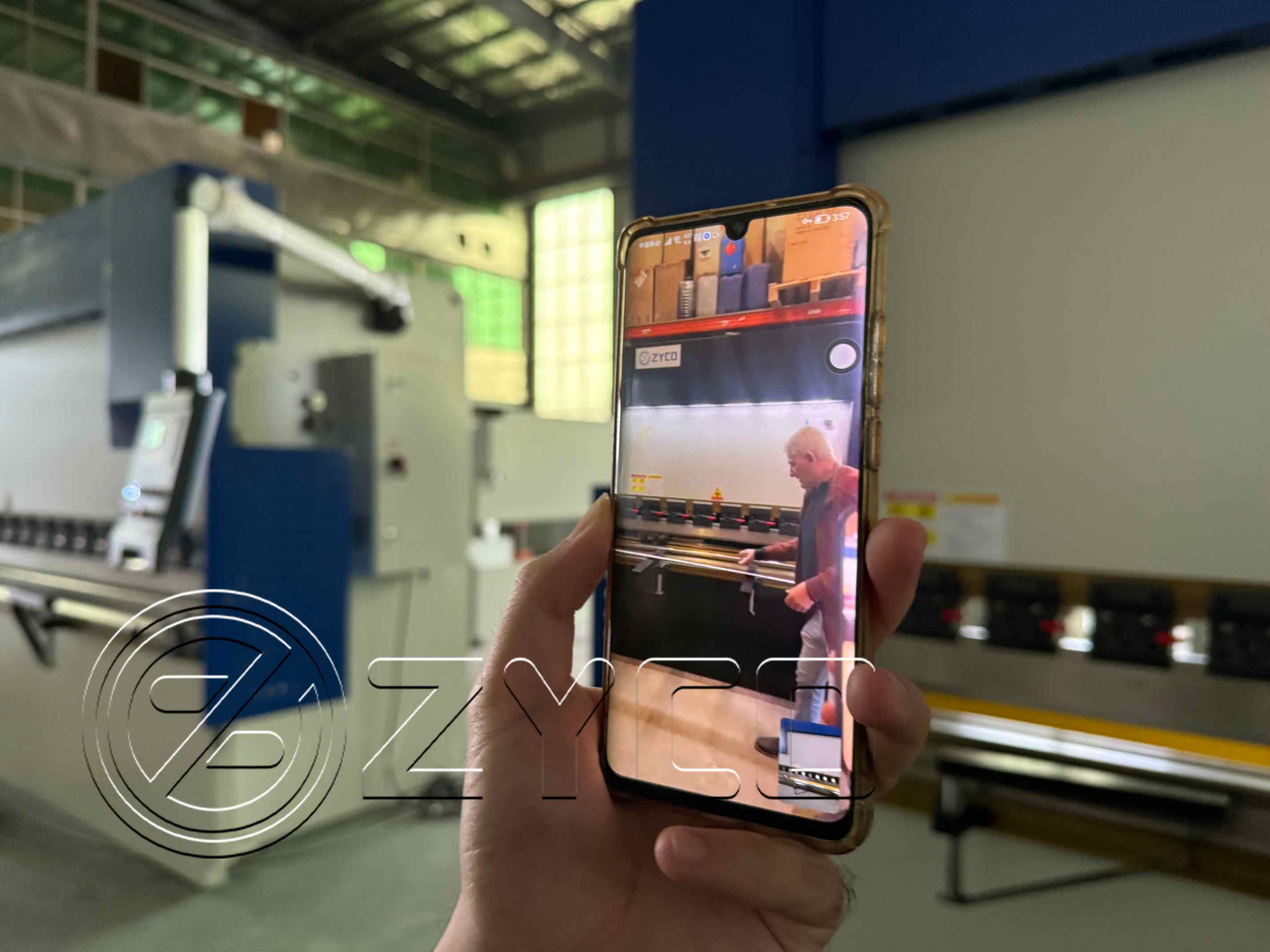
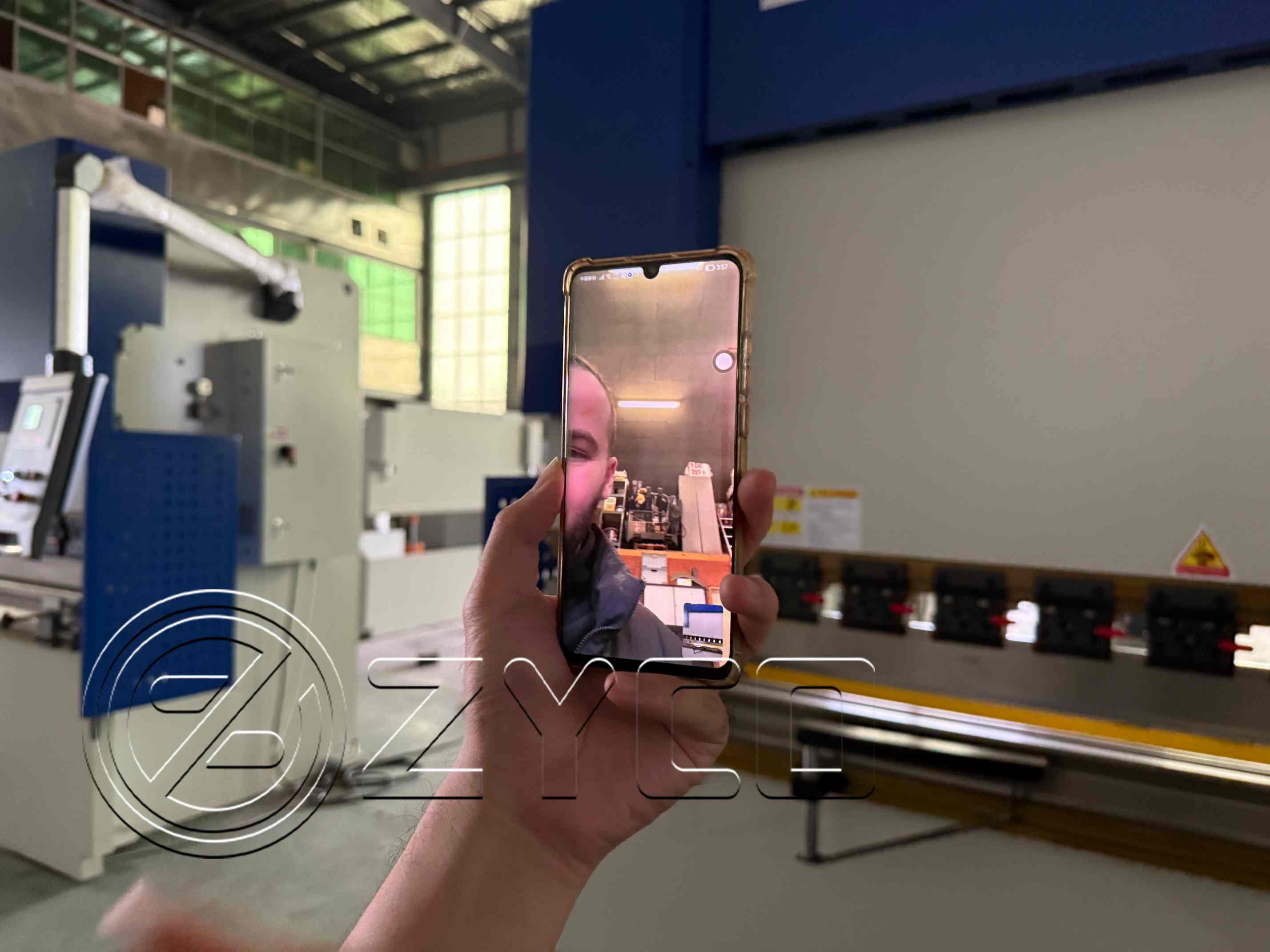
Without hesitation, our after-sales engineer, Lao Wang, immediately launched the remote assistance software. When the screen is turned on, you can see the ZYCO bending machine in Pierre's workshop with the light on and plates waiting to be processed piled next to it. Pierre held up his phone and brought the screen of the operating panel in front of the camera, his tone full of helplessness.
Lao Wang first asked him to take a picture of the current parameter page, and then he helped him sort it out bit by bit according to the manual: "Look at this 'bending compensation coefficient'. The value is wrong now. It needs to be adjusted back to the standard value; and the 'lower die depth calibration' also needs to be reset." Even though the screen was thousands of kilometers away, Lao Wang circled every place that needed adjustment on the shared interface with his mouse as if he was standing next to Pierre.
Pierre, wearing headphones, listened while pressing buttons on the control panel, occasionally pausing to ask, "What does this button control? I didn't dare touch it before."
Interestingly, after the bending angle problem was solved, Pierre's curiosity was piqued. He simply pulled Lao Wang aside and asked him about all the functions of the machine one by one. "Can this 'automatic bending sequence' save time?" "How can I use the 'mold library memory' more conveniently?" He took a notebook and wrote down every functional point that Lao Wang talked about. His seriousness was like that of a child who had just come into contact with a new toy.
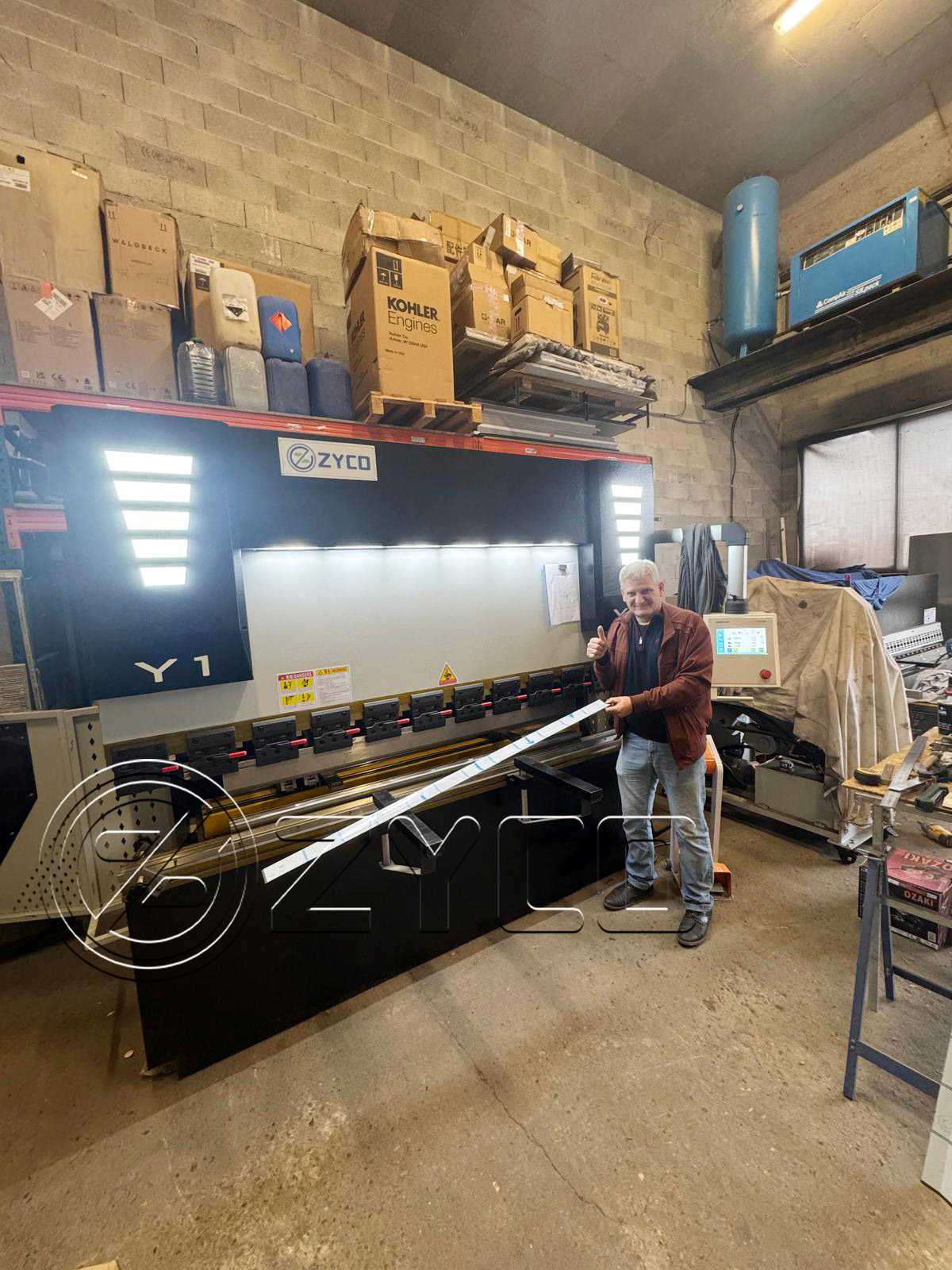
An hour and a half later, Pierre successfully folded out a sample with precise angles using the adjusted machine. He walked in front of the camera holding the sample, gave the phone a thumbs-up, and said excitedly, "Thank you so much, Lao Wang! Now I have not only solved the problem this time, but I feel like I have truly mastered this machine! I will have a better understanding of the parameters in the future."
After hanging up the remote call, Lao Wang said to us with emotion: "When it comes to after-sales service, sometimes it's really not just about fixing a problem. Customers want to truly understand how to use the machine, so that they can work with confidence."
Looking at the lights in Pierre's workshop on the screen, and then thinking about the machines in our own workshop, I suddenly felt that this is what good after-sales service should be like - not only repairing the machines, but also teaching customers the ins and outs of using them, so that trust can transcend time zones and slowly take root with every patient guidance.
A CNC mill (Computer Numerical Control milling machine) is an advanced machining tool that uses computerized controls to precisely cut and shape materials. Unlike traditional milling, CNC mills follow programmed instructions to produce complex parts with exceptional accuracy and consistency.
This article explains the CNC mill definition and its working principle, outlining how the machine operates, its main components, and common applications in modern manufacturing. Whether you’re a beginner or an industry professional, this guide will help you understand the essentials of CNC milling and its role in precision production.
CNC Mill Definition
A CNC mill, short for Computer Numerical Control milling machine, is a type of machining equipment that removes material from a workpiece with high precision using rotating cutting tools. The “CNC” part means that every movement of the machine—such as spindle rotation, tool change, and table positioning—is controlled by a computer program instead of manual operation.
Unlike traditional milling machines that rely heavily on the operator’s skill, CNC mills follow pre-set digital instructions generated from CAD (Computer-Aided Design) and CAM (Computer-Aided Manufacturing) software. This allows them to produce complex shapes, tight tolerances, and repeatable results consistently.
In modern manufacturing, CNC milling machines are widely used to create parts made from metal, plastic, or composite materials. Their ability to combine accuracy, speed, and automation makes them essential in industries such as aerospace, automotive, medical, and precision engineering.
CNC Mill Working Principle
The working principle of a CNC mill is based on computer-controlled precision. Every machining process begins with a digital design created in CAD software. This design is then converted into a CAM program, which generates a set of G-code instructions—the language that tells the CNC machine exactly how to move, cut, and shape the material.
During operation, the CNC controller reads these codes and directs the machine’s spindle and cutting tools to move along multiple axes (typically X, Y, and Z). The spindle rotates the cutting tool at high speed, while the table or workpiece moves accordingly to remove material layer by layer. This automated coordination allows the mill to achieve extremely accurate cuts and complex geometries that would be difficult or impossible to produce manually.
A typical CNC milling cycle includes several stages:
Design and Programming – Create the part model and generate G-code.
Set up – Mount the workpiece and select the proper cutting tools.
Machining – The CNC system executes programmed movements for material removal.
Inspection – Measure and verify the finished part’s dimensions and surface quality.
This controlled, step-by-step process ensures high precision, repeatability, and efficiency, making CNC milling a core technology in advanced manufacturing and prototyping.
Main Components of a CNC Milling Machine
A CNC milling machine is made up of several key components that work together to ensure precise and stable machining performance. Understanding these parts helps operators and engineers maximize machine efficiency and accuracy.
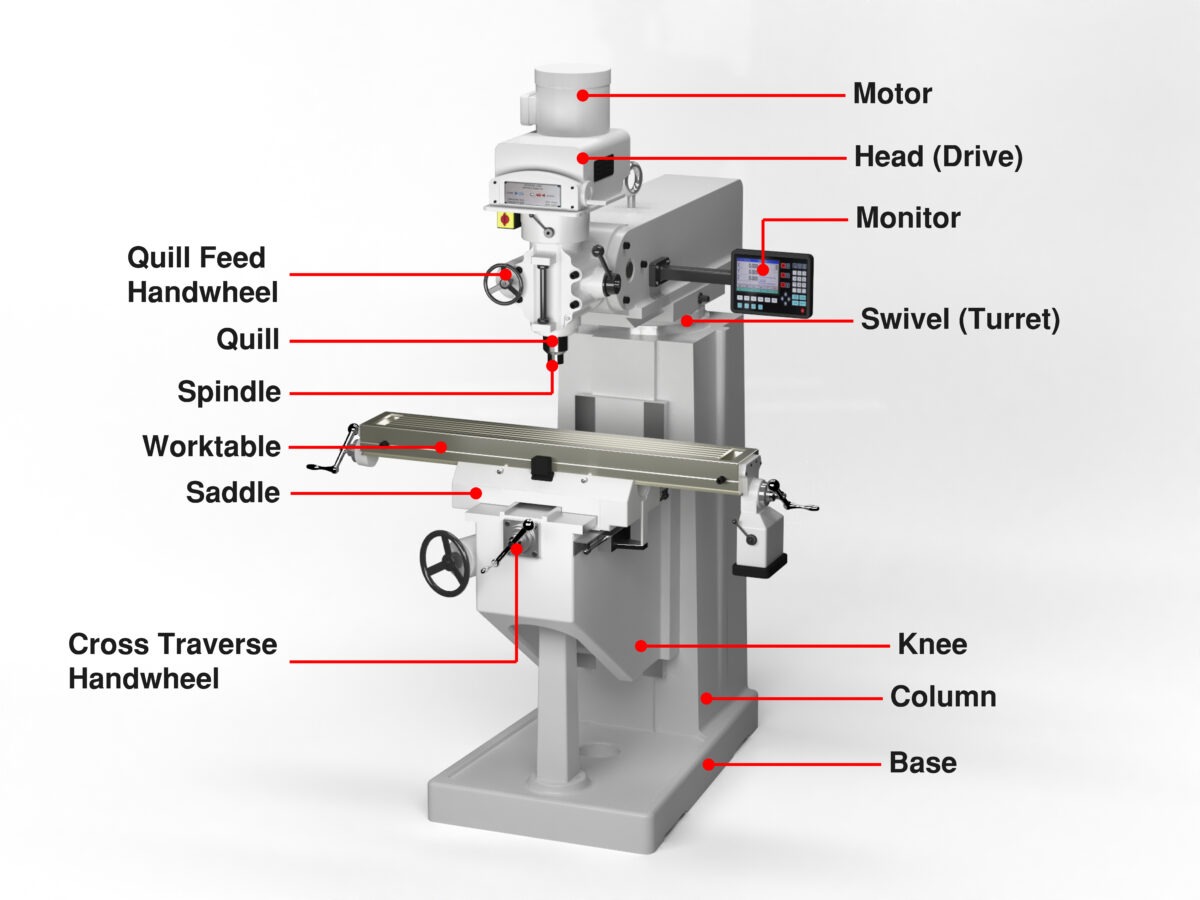
Spindle – The spindle is the heart of the CNC mill. It holds and rotates the cutting tool at high speeds, delivering the power needed for material removal. The spindle’s speed, stability, and precision directly affect machining quality.
Tool Holder and Tool Changer – The tool holder connects the cutting tool to the spindle, while the automatic tool changer allows the machine to switch between tools during operation without manual intervention. This improves production efficiency and flexibility.
Worktable – The table supports and positions the workpiece. It moves along the X and Y axes, allowing precise placement during cutting operations.
Servo Motors and Drive System – These components control the movement of the spindle and table. They ensure smooth, accurate motion along each axis according to the programmed commands.
CNC Controller – Often called the “brain” of the machine, the controller interprets G-code instructions and coordinates all movements of the spindle, axes, and tool changer.
Coolant and Chip Removal System – The coolant maintains a stable temperature in the cutting area, preventing tool wear. At the same time, the chip removal system clears debris to ensure a clean and efficient working environment.
Together, these components enable CNC mills to achieve high-speed, high-precision machining for a wide range of industrial applications.
Types of CNC Milling Machines
CNC milling machines come in several types, each designed for specific applications and levels of precision. Understanding these types helps manufacturers choose the right machine for their production needs.
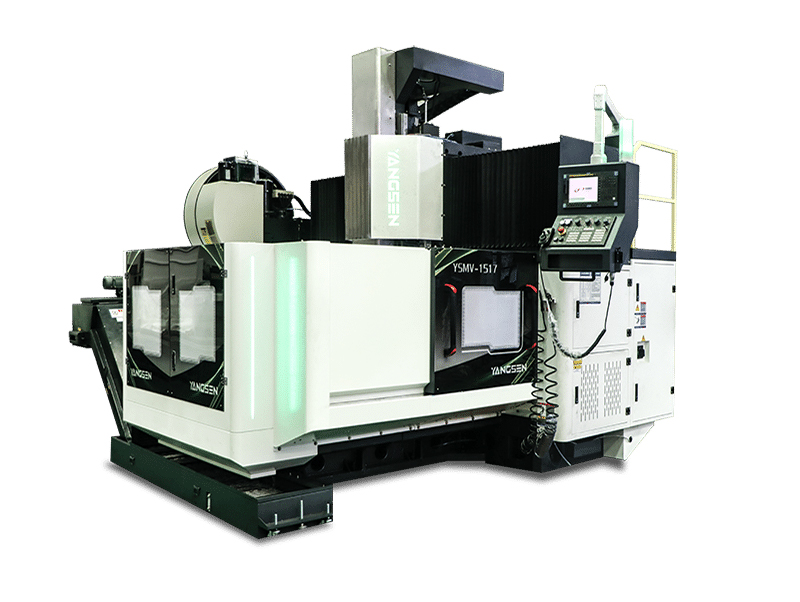
Vertical CNC Mills
The spindle is oriented vertically, cutting down onto the workpiece.
Ideal for general-purpose machining and small to medium-sized parts.
Commonly used in industries like automotive, electronics, and prototyping.
Horizontal CNC Mills
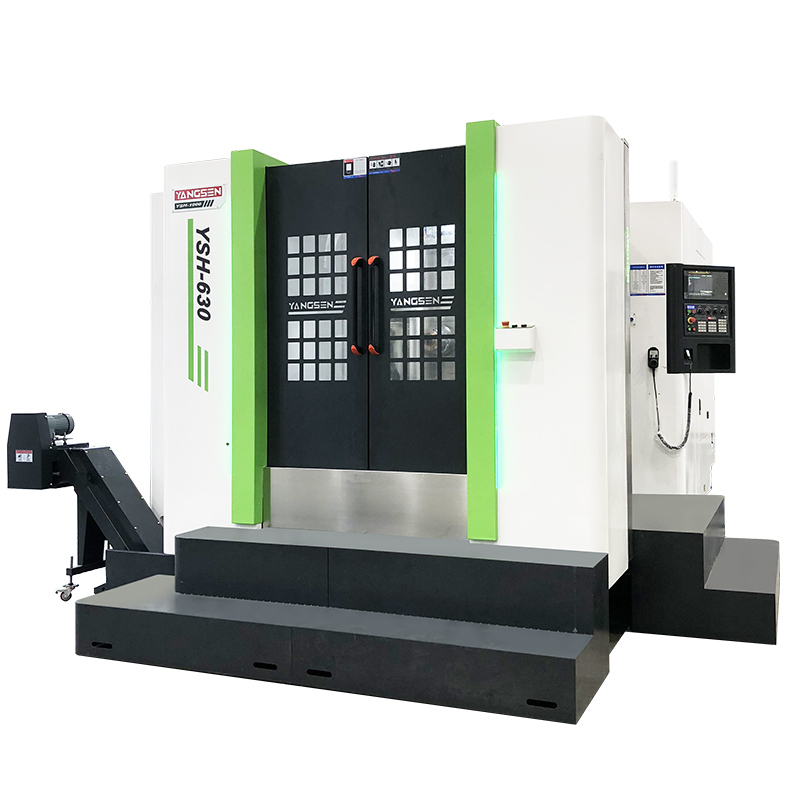
The spindle is horizontal, allowing cutting on multiple sides of a workpiece.
Suitable for heavy-duty machining and high-volume production.
Provides better chip removal and stability for larger workpieces.
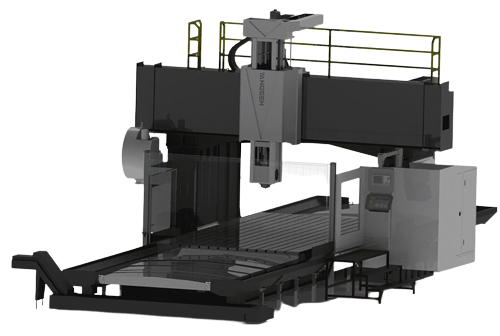
Large machines with a bridge-like structure, suitable for very large workpieces.
Used in industries like shipbuilding, aerospace, and heavy machinery.
Compact and Mini CNC Mills
Smaller footprint machines for light-duty and precision work.
Common in educational settings, small workshops, and prototyping labs.
Applications of CNC Milling Machines
CNC milling machines are widely used across multiple industries due to their precision, efficiency, and flexibility. Key applications include:
Aerospace Industry
Manufacturing turbine blades, engine housings, and structural components.
High precision and tight tolerances are critical for safety and performance.
Automotive Industry
Producing molds, gearboxes, engine parts, and custom components.
CNC mills improve efficiency and ensure consistent quality for high-volume production.
Medical Industry
Fabricating implants, surgical instruments, and prosthetics.
Allows complex geometries and precise dimensions essential for patient safety.
Electronics Industry
Producing enclosures, heat sinks, connectors, and circuit boards.
Small, detailed parts require the accuracy CNC milling provides.
Tooling and Die Making
Creating precision molds, dies, and fixtures for manufacturing.
CNC milling enables faster production cycles with minimal manual adjustment.
Prototype and Product Development
Rapidly producing prototypes for testing and design validation.
Allows quick iteration and modification before mass production.
By leveraging CNC milling, companies across these industries achieve higher accuracy, reduced errors, and increased productivity, making it an essential technology in modern manufacturing.
Advantages of CNC Milling
CNC milling machines offer high precision and repeatability, allowing manufacturers to produce parts with consistent quality. This level of accuracy is essential for industries like aerospace, automotive, and medical devices, where even minor deviations can cause major issues.
Automation in CNC milling significantly improves efficiency and reduces human error. Multi-axis milling enables the creation of complex geometries in fewer setups, saving time and labor costs while maintaining consistent results across production runs.
In addition, CNC mills are highly versatile, capable of working with a wide range of materials ,including metals, plastics, and composites. They are suitable for both prototype production and large-scale manufacturing, combining speed, flexibility, and reliability to enhance overall productivity.
CNC Milling vs CNC Turning
Feature
CNC Milling
CNC Turning
Motion
The tool rotates; the workpiece moves
Workpiece rotates; tool is stationary
Typical Parts
Complex shapes, flat surfaces
Cylindrical or symmetrical parts
Axes
Usually 3–5 axes
Typically 2–3 axes
Setup Complexity
Medium to high
Medium
Best Use Case
Multi-sided and detailed parts
Round components, high-volume production
How to Choose the Right CNC Milling Machine
Selecting the right CNC milling machine depends on several key factors, including your production needs, budget, and the materials you work with. First, consider the type of milling machine—vertical, horizontal, or 5-axis—based on the complexity of the parts and the required precision. Vertical mills are versatile and suitable for general-purpose machining, while horizontal and 5-axis machines are better suited for handling larger or more intricate components.
Next, evaluate the machine’s specifications, such as spindle speed, axis travel, table size, and load capacity. These factors determine the size of workpieces you can handle, the materials you can mill, and the overall production efficiency. For high-volume or precision-critical parts, investing in a machine with multiple axes and higher rigidity will ensure better performance and repeatability.
Finally, consider software compatibility, support, and maintenance. Ensure the CNC controller is compatible with your CAD/CAM software, and that the manufacturer provides reliable technical support and spare parts. A well-supported machine reduces downtime and long-term costs. By carefully assessing these factors, you can select a CNC milling machine that maximizes productivity, quality, and return on investment.
CNC Milling Machine Maintenance and Safety Tips
Proper maintenance and safe operation are essential to ensure the longevity and performance of CNC milling machines. Regular cleaning and lubrication of moving parts prevent wear and maintain accuracy, while checking tool holders, spindles, and worktables ensures stable and precise machining.
Operators should monitor tool wear and machine calibration to avoid defects and maintain consistent quality. Using the correct cutting tools and replacing worn components in time helps prevent damage to both the machine and the workpiece.
Safety is equally important. Always follow standard operating procedures, wear appropriate personal protective equipment, and ensure the machine’s emergency stops and guards are functional. Adhering to maintenance schedules and safety guidelines not only extends the machine’s lifespan but also ensures efficient, reliable, and safe production.
Conclusion
Understanding the CNC mill definition and working principle is essential for anyone involved in modern manufacturing. CNC milling machines combine precision, automation, and versatility to produce high-quality parts efficiently, making them indispensable across industries such as aerospace, automotive, medical, and electronics.
Choosing the right machine, maintaining it properly, and following safe operating practices ensure consistent performance and long-term reliability. For businesses looking to improve productivity and reduce production errors, investing in a high-quality CNC milling solution is a strategic decision.
Medical Device CNC Machining is the process of shaping medical components using computer numerical control, or CNC for short. The machine uses programmed commands to move cutting tools exactly where they need to go. This process removes material layer by layer until the desired shape appears. For example, when creating a titanium hip implant, a CNC machine can mill it with such precision that it fits the patient’s bone structure almost perfectly.
The primary difference between medical CNC machining and standard CNC machining lies in the level of precision and cleanliness. A typical part for an automotive engine might tolerate small imperfections, but a surgical screw cannot. In medical production, the parts must be sterile, burr-free, and often smaller than a grain of rice. This is where specialized techniques like micro-milling and Swiss-type turning come into play. These methods help make tiny and complex components without compromising accuracy.
Importance of CNC Machining in the Medical Industry
The medical industry depends on precision, and CNC machining provides exactly that. Every time a surgeon picks up an instrument or a patient receives an implant, CNC technology has played its part. Without it, producing consistent, safe, and accurate tools would be nearly impossible.
CNC machining is the backbone of medical device manufacturing because it meets the strict requirements of healthcare. Think about devices such as orthopedic implants, dental fixtures, and cardiovascular tools. Each one must match not just medical standards but also the patient’s unique anatomy. CNC machines make that possible through computer-guided control and repeatable accuracy. This process reduces human error and increases patient safety.
I’ve noticed that hospitals and device manufacturers rely heavily on biocompatibility and quality assurance. Standards like ISO 13485 and FDA 21 CFR Part 820 regulate how medical parts are made and tested. CNC machining helps companies meet those standards by allowing them to record, trace, and reproduce every step. If a defect occurs, engineers can trace it back to the exact tool path or batch number.
Types of CNC Machines Used in Medical Device Manufacturing
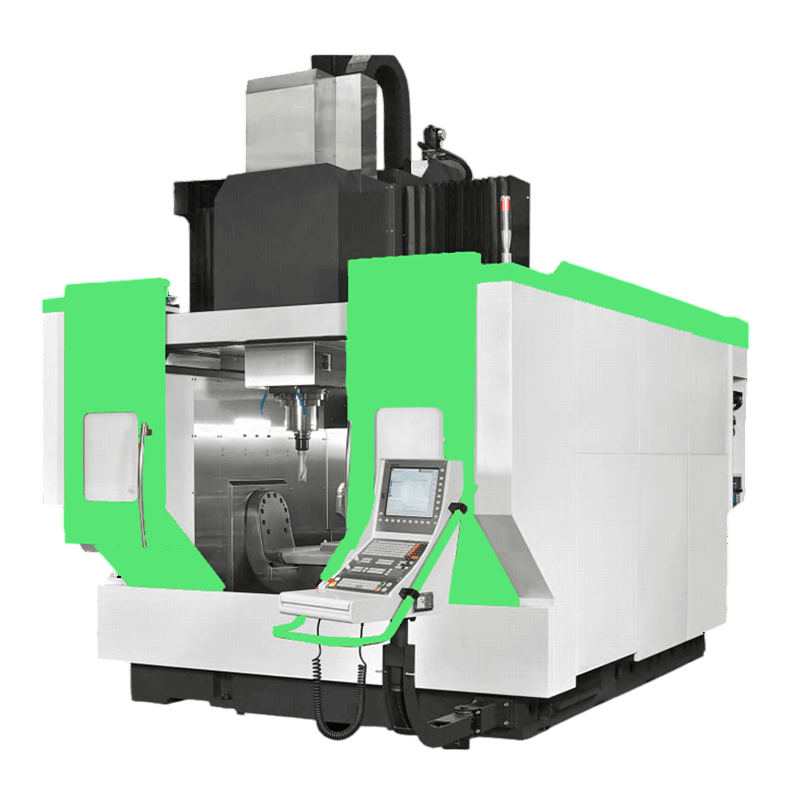
CNC Milling Machines
CNC milling machines are the workhorses of medical manufacturing. They cut and shape solid blocks of metal or plastic into complex geometries. When producing things like hip joints, knee implants, and surgical tools, the machine’s 5-axis movement allows it to reach all sides without repositioning the part. I once watched a 5-axis mill carve out a hip implant from titanium—it looked like magic in motion.
These machines are known for their ability to handle contours and curved shapes. That’s especially useful for implants that need to fit perfectly inside the human body. Each pass of the cutting tool removes microns of material until the final surface is smooth and precise. The result is a piece that’s ready for polishing or coating without heavy manual work.
CNC Turning and Swiss-Type Lathes
Turning machines, especially Swiss-type lathes, handle long and thin components like bone screws, rods, and catheters. The name “Swiss” comes from the Swiss watch industry, where precision is everything. In medical production, the same level of accuracy is used to create devices that can safely stay inside the body for years.
These machines can handle very small diameters—sometimes under one millimeter—and maintain perfect concentricity. That means each screw thread or pin sits exactly where it should. It’s fascinating how these machines work: the material moves instead of the cutting tool, reducing vibration and allowing extreme precision. It’s like watching a ballet, but with steel.
CNC Grinding and Polishing Machines
Grinding and polishing machines finish what others start. After milling or turning, many medical parts require mirror-like surfaces to avoid tissue irritation. Grinding removes microscopic imperfections, and polishing adds a fine, reflective sheen. For surgical blades or implants, that final polish means smoother contact and less friction during use.
In cleanrooms, these finishing machines run quietly and carefully. I’ve seen technicians measure the final surface using light reflection tools to ensure no scratches remain. That level of perfection isn’t just for looks—it’s for safety.
CNC EDM (Electrical Discharge Machining)
EDM uses electrical sparks to shape materials that are too hard for normal cutting tools, like titanium or stainless steel. It’s perfect for creating small holes, cavities, and intricate features on surgical instruments. Because there’s no physical contact between tool and material, EDM can achieve shapes that standard tools can’t reach.
This process is especially common for tools like laparoscopic tips, orthopedic screws, and micro-instruments. Watching an EDM machine work is oddly calming—it makes thousands of tiny sparks, each removing a speck of metal. Slowly, the final part emerges, precise down to fractions of a micron.
Multi-Axis Machining Centers
Multi-axis centers combine milling, turning, and drilling into one machine. This setup saves time by eliminating multiple setups. It’s perfect for orthopedic implants, dental abutments, and custom surgical jigs. When I visited a facility that made spine implants, I noticed how one multi-axis machine could produce a full set of parts in a single run.
The main advantage of multi-axis machining is accuracy with efficiency. By machining a part from all angles without stopping, it minimizes misalignment. That means the final component needs little or no adjustment before inspection.
Common Medical Devices and Components Made with CNC Machining
When I first stepped into a medical machining workshop, I was surprised by how many different medical parts come from CNC machines. Almost every metal or plastic component used in hospitals or surgeries has likely passed through one of these precision systems. Here’s how CNC machining supports various medical fields:
Orthopedic Implants
CNC machining is used to make hip joints, spinal cages, bone screws, and knee implants.
• These parts must fit the patient’s bone structure with extreme accuracy.
• Titanium and cobalt-chrome alloys are the most common materials for strength and biocompatibility.
• The smooth finish reduces friction and prevents tissue irritation.
• I once held a finished hip cup—it was so polished it reflected light like a mirror. That surface wasn’t just for looks; it helps the implant move smoothly within the body.
Surgical Instruments
• Instruments like forceps, scalpels, clamps, and drill guides rely on CNC precision for consistent sharpness and shape.
• CNC machining ensures every piece is balanced and performs reliably during surgery.
• Stainless steel and titanium are often used because they handle repeated sterilization without damage.
• Laser inspections confirm every edge is sharp and smooth.
• Watching these parts get checked under magnifiers made me realize—surgeons rely on perfection every single time.
Dental and Maxillofacial Components
• CNC machines create crowns, abutments, and dental implants that match a patient’s mouth perfectly.
• Dentists can send 3D scans directly to the manufacturer for same-day milling.
• Materials include ceramics, stainless steel, and titanium.
• These machines cut with such precision that dental parts often need only a light polish before use.
• I once saw a machine mill a crown from a ceramic block—it took less than ten minutes and fit flawlessly.
• These parts are often smaller than a fingernail but must perform reliably for years inside the human body.
• Materials like titanium and stainless steel resist corrosion and maintain stability in body fluids.
• Engineers often say, “If you can see the flaw, it’s already too big.” That sums up the precision needed here.
• Every spark, cut, or polish is controlled with micrometer accuracy to avoid any error.
Diagnostic and Laboratory Equipment
• CNC machining also supports MRI machines, CT scanners, and robotic surgery systems.
• Components include brackets, frames, instrument arms, and sensor housings.
• These parts need to stay stable and vibration-free for accurate test results.
• Aluminum and high-performance plastics are preferred for lightweight strength.
• I noticed that even the smallest mount or bracket inside a scanner must meet exact size standards—it’s how machines keep producing reliable readings for years.
Prosthetics and Assistive Devices
• CNC machines create custom prosthetic joints, sockets, and connectors that improve patient mobility.
• Personalized designs allow a better fit and comfort for daily wear.
• Advanced 5-axis milling enables natural, curved surfaces that align perfectly with body contours.
• Combining metal and polymer machining provides strength without adding weight.
• It’s heartwarming to see how technology turns raw materials into life-changing support devices.
Robotic Surgical Components
• CNC machining produces arms, joints, and end-effectors for robotic-assisted surgeries.
• These parts must move precisely and smoothly without any mechanical play.
• Stainless steel and lightweight aluminum are used for stability and responsiveness.
• Each joint undergoes multiple tolerance tests before final assembly.
• I once saw a robot arm component fail inspection for being off by 0.0005 mm — the engineer just smiled and said, “That’s why we check.”
Materials Used in Medical Device CNC Machining
Titanium and Titanium Alloys
Titanium is the superstar of medical materials. It’s strong, light, and doesn’t rust or cause allergic reactions. You’ll find it in implants, bone screws, and even artificial joints. The downside? It’s tough to cut. Machining titanium requires sharp tools and slower speeds to avoid overheating. But when done right, the result is a component that lasts for decades inside the body.
Stainless Steel (316L, 17-4PH)
Stainless steel remains a popular choice for reusable surgical instruments because it’s durable, affordable, and easy to sterilize. Grades like 316L and 17-4PH resist corrosion and can handle repeated exposure to heat and cleaning chemicals. CNC machines shape them into blades, clamps, and other durable components.
Aluminum Alloys
Aluminum alloys are used mainly in non-implantable components such as diagnostic equipment or housings for devices. They’re lightweight and conduct heat well, making them ideal for machines that need to stay cool. They’re also easy to machine, which keeps costs down.
Plastics and Polymers (PEEK, PTFE, Ultem, Delrin)
Plastics like PEEK, PTFE, Ultem, and Delrin are widely used for non-implantable components such as surgical trays, fixtures, and instrument handles. PEEK, in particular, is a favorite for temporary implants because it’s strong and resists chemicals.
Specialty Alloys and Ceramics
Some parts need special materials like Nitinol, a shape-memory alloy that can return to its original form after bending, or medical-grade ceramics, which resist wear and heat. These materials are often used in dental and orthopedic applications.
CNC Machining Processes for Medical Devices
Prototyping and Low-Volume Production
When developing new medical devices, designers need prototypes fast. CNC machining can create a test-ready prototype in just a few hours. This allows teams to check function, fit, and design before moving into full production.
Full-Scale Production
Once a prototype passes all tests, full-scale production begins. High-speed CNC machines run multiple parts at once, maintaining the same precision across thousands of units. Automation ensures consistency while reducing manual handling.
Post-Processing Techniques
After machining, medical parts go through finishing steps like deburring, polishing, electropolishing, passivation, or anodizing. These processes remove sharp edges, smooth surfaces, and prepare the part for sterilization. For implants, surface finishing can even improve how tissue bonds with the material.
Precision and Quality Control in Medical CNC Machining
If there’s one thing I’ve learned from spending time around medical machinists, it’s that “close enough” doesn’t exist in their vocabulary. Precision isn’t just expected — it’s demanded. In the medical field, a tiny error can cause a major problem, so quality control is almost a sacred process.
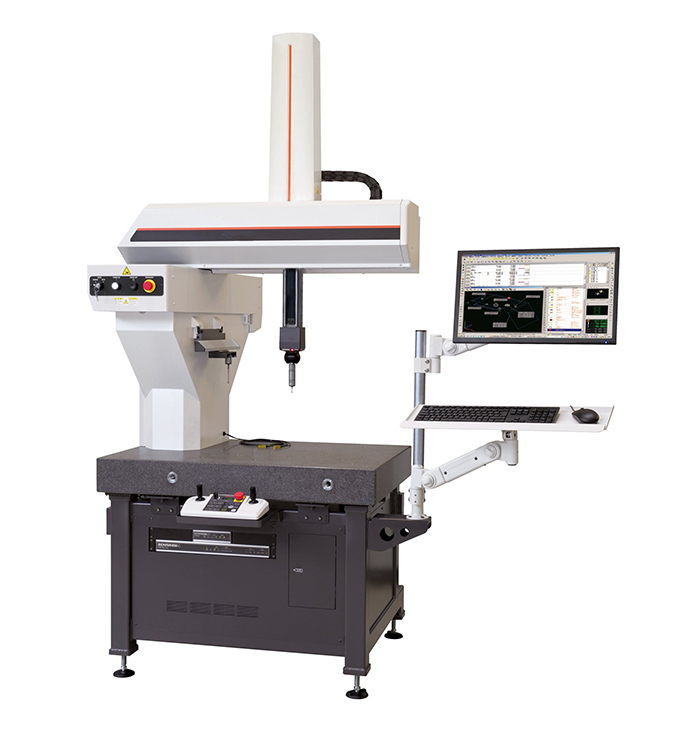
CNC machining for medical devices focuses on tolerances as tight as ±0.001 mm. To put that into perspective, that’s smaller than a grain of dust. Every part goes through detailed measurement using tools like coordinate measuring machines (CMMs), optical scanners, and laser micrometers. These instruments check every curve, edge, and angle to confirm that each component meets design specifications.
Advantages of CNC Machining for Medical Devices
• Extreme precision and repeatability
• Compatibility with biocompatible materials
• Flexibility for custom, patient-specific designs
• Rapid prototyping and faster time-to-market
• Clean and safe manufacturing environment
• Reduced human error and waste
• Scalability from prototype to production
Choosing the Right CNC Machining Partner for Medical Devices
Verified Certifications
• Choose a company with ISO 13485 certification for medical manufacturing.
• Ensure they follow FDA 21 CFR Part 820 for quality and documentation.
• Ask for proof of regular audits and inspection records.
Experience with Biocompatible Materials
• Verify that they can handle titanium, stainless steel, and medical-grade polymers.
• Look for shops that use dedicated tools and coolants to avoid contamination.
• Ask about past projects involving implants or surgical parts.
Advanced Equipment and Technology
• The partner should have multi-axis machines, Swiss lathes, and micro-machining setups.
• Cleanroom machining facilities are a strong sign of professionalism.
• Automated inspection and measurement tools add another layer of reliability.
Proven Quality Assurance System
• Every component should be traceable from start to finish.
• Internal audits and inspection logs ensure ongoing consistency.
• Ask if they use CMM or laser scanning for part verification.
Real Industry References
• Check case studies or client testimonials from hospitals and medical suppliers.
• Visit their facility if possible—cleanliness and organization say a lot.
• Genuine experience in medical-grade machining should be visible in their past work.
Final Thoughts
After seeing how much care and detail go into every stage of medical device CNC machining, I’ve come to respect it as both an art and a science. These machines might look like ordinary equipment, but they carry the responsibility of human lives. The precision isn’t just about numbers—it’s about trust.
So, the next time you walk into a hospital and see a metal implant or a shiny surgical tool, remember that it didn’t just appear—it was carefully crafted, checked, and perfected through CNC machining.
Investing in a used excavator is one of the smartest ways for contractors to save money while still getting high-quality construction equipment. However, buying a second-hand machine requires careful evaluation to avoid unexpected repair costs. Here’s a step-by-step guide to help you make the right decision.
1. Define Your Project Needs
Before buying, ask yourself:
What type of work will the excavator handle? (earthmoving, demolition, mining, or roadwork)
Do you need a mini excavator (1.5–6 tons) for urban projects or a large excavator (30+ tons) like the Komatsu PC450 for heavy-duty operations?
Choosing the right size saves fuel and improves efficiency.
2. Check Machine Hours
One of the most important factors in evaluating a used excavator is working hours. Machines with under 5,000 hours are generally considered low-hour and still have a long lifespan. A Caterpillar 320D with 4,500 hours or a Hyundai R220LC-9S with 6,000 hours can still deliver strong performance.
3. Inspect Key Components
Engine: Look for smoke, unusual noise, and oil leaks.
Hydraulics: Check for smooth operation and no jerky movements.
Undercarriage: Worn-out tracks can be expensive to replace.
Boom and Bucket: Inspect for cracks or welds that may indicate past damage.
Brands like Volvo and Doosan are known for durable hydraulic systems, while CAT and Komatsu excel in undercarriage strength.
4. Review Service Records
Always ask for maintenance history. A well-maintained machine with regular servicing is more reliable than a low-hour machine with poor records. Machines from rental fleets often have complete service logs, making them a safe choice.
5. Consider After-Sales Support
Buying a popular brand like Caterpillar, Komatsu, Hyundai, or SANY ensures easy access to spare parts. Global availability of parts reduces downtime and keeps your project running smoothly.
6. Work with Trusted Dealers
When possible, buy from a reputable dealer who offers inspection reports and warranties. This minimizes risk compared to private sellers.