ZYCO FAQ What Are the Advantages of Using a 4-Roll Rolling Machine?

In modern sheet metal fabrication, efficiency and precision are critical for staying competitive. A 4-roll rolling machine has become one of the most advanced solutions for plate rolling, offering significant advantages over traditional 3-roll machines.

From improved accuracy to reduced labor requirements, 4-roll plate rolling machines are widely used in industries such as pressure vessels, wind towers, shipbuilding, and steel structures.

In this article, we explore the key advantages of using a 4-roll rolling machine and why it is the preferred choice for many manufacturers.


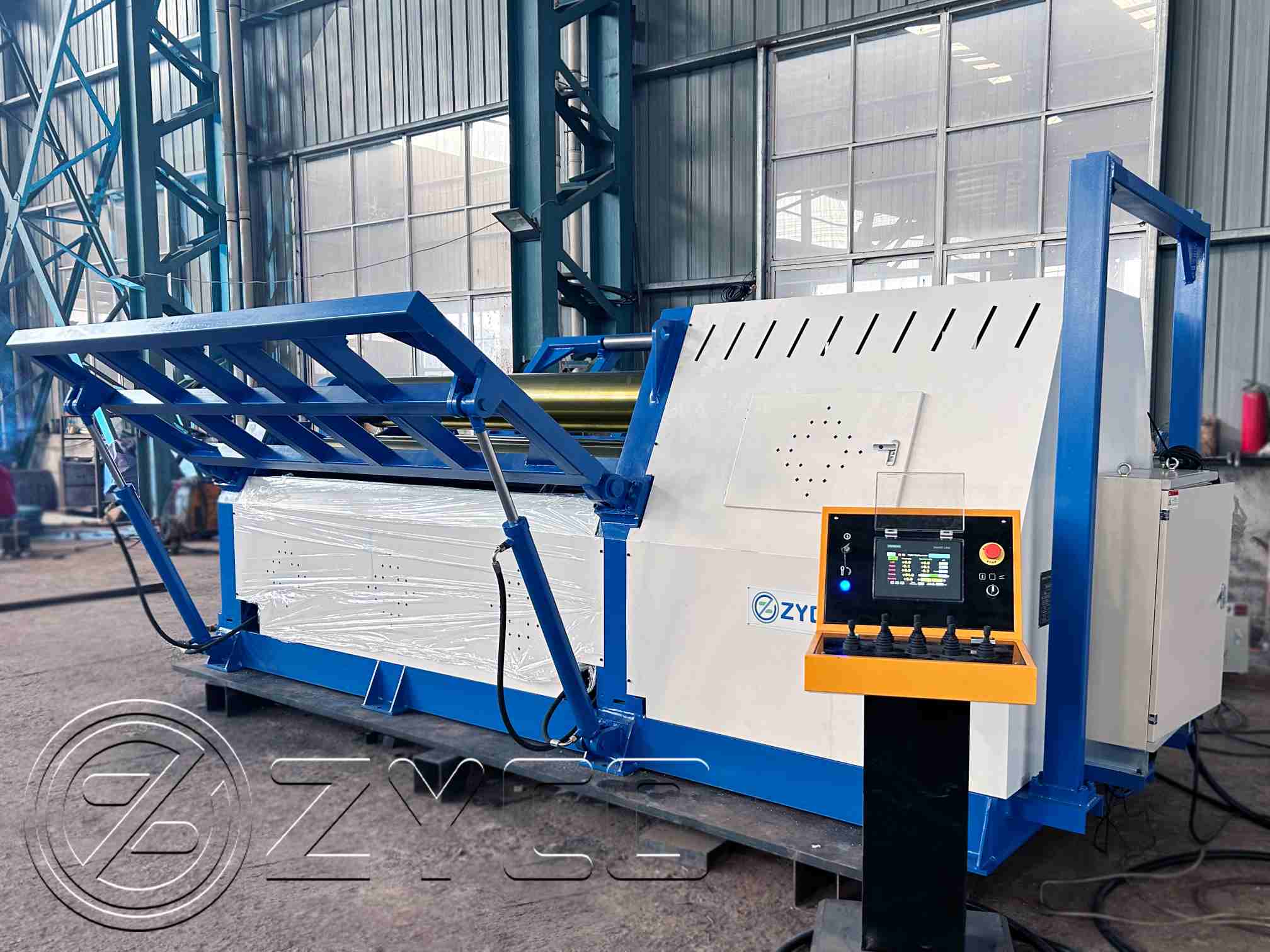
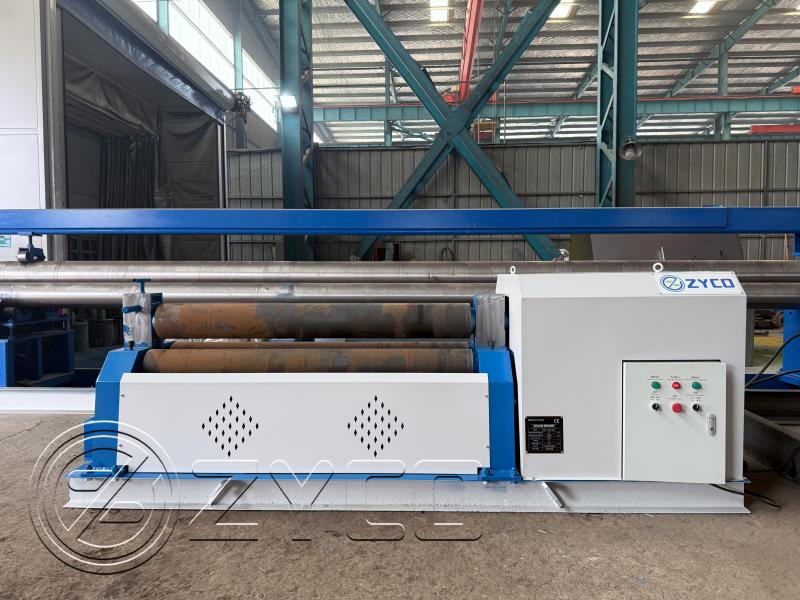
sheet metal rolling machine


1. One-Time Plate Positioning and Clamping

One of the biggest advantages of a 4-roll rolling machine is its automatic plate clamping system.

  • The plate is securely held between the top and bottom rolls
  • No need for repeated repositioning
  • Prevents slipping during rolling

This feature ensures better control and higher safety, especially when handling large or heavy plates.


2. High Precision and Excellent Roundness

4-roll machines provide superior bending accuracy compared to traditional systems.

  • Precise control of side rolls
  • Consistent bending radius
  • Minimal flat ends

As a result, manufacturers can achieve:

  • Better roundness
  • Higher dimensional accuracy
  • Reduced need for rework

This is especially important in industries where precision is critical.


3. Efficient Pre-Bending in One Setup

Unlike 3-roll machines, a 4-roll rolling machine can perform pre-bending on both ends of the plate without removing it.

Benefits include:

  • Reduced flat edges
  • Fewer processing steps
  • Improved final product quality

This significantly improves workflow efficiency and reduces production time.


4. Higher Production Efficiency

4-roll rolling machines are designed for continuous and efficient operation.

  • Faster processing cycles
  • Fewer manual adjustments
  • Reduced downtime

For mass production environments, this leads to:

  • Increased output
  • Lower labor costs
  • Improved overall productivity


5. Easy Operation and Reduced Skill Dependency

Operating a 4-roll machine is much easier compared to a 3-roll system.

  • Automatic plate alignment
  • CNC control systems
  • Simple programming interfaces

Even less-experienced operators can quickly learn to operate the machine effectively.

Modern machines—such as those developed by ZYCO—are equipped with intelligent control systems that guide operators through each step of the rolling process.


6. Enhanced Safety

Safety is a major concern in metal fabrication, and 4-roll machines offer improved protection.

  • Stable plate clamping reduces movement
  • Less manual handling required
  • Integration with safety systems

These features help reduce the risk of workplace accidents and improve operator confidence.


7. Better Performance for Thick and Large Plates

4-roll rolling machines are highly suitable for handling:

  • Thick metal plates
  • Large-diameter cylinders
  • Heavy-duty applications

Their strong structure and stable rolling process ensure consistent performance under demanding conditions.


8. Reduced Material Waste

With improved accuracy and control, 4-roll machines help minimize material waste.

  • Accurate pre-bending reduces scrap
  • Fewer errors and rework
  • Optimized material utilization

This directly contributes to cost savings and higher profitability.


9. Ideal for CNC Automation

Modern 4-roll rolling machines can be fully integrated with CNC systems.

Key automation features include:

  • Digital control of rolling radius
  • Program storage for repeat jobs
  • Real-time monitoring
  • Automatic adjustments

This allows manufacturers to achieve high repeatability and consistent quality, especially in batch production.


10. Wide Range of Applications

4-roll rolling machines are versatile and suitable for many industries:

  • Pressure vessel manufacturing
  • Wind energy (tower sections)
  • Oil & gas pipelines
  • Shipbuilding
  • Steel construction
  • Storage tanks

Their flexibility makes them an essential asset in modern fabrication workshops.


Why Choose a 4-Roll Rolling Machine for Your Business?

Investing in a 4-roll rolling machine offers long-term benefits

  • Improved production efficiency
  • Higher product quality
  • Reduced labor dependency
  • Better return on investment

Manufacturers like ZYCO provide advanced 4-roll rolling machines designed for precision, durability, and ease of use, helping businesses stay competitive in global markets.


Summary

The advantages of using a 4-roll rolling machine are clear: higher precision, greater efficiency, improved safety, and easier operation.

Compared to traditional systems, 4-roll machines provide a more advanced and reliable solution for modern metal fabrication.

For companies looking to upgrade their production capabilities, adopting a CNC 4-roll rolling machine is a strategic move that delivers both immediate and long-term benefits.


ZYCO FAQ What Is the Difference Between 3-Roll and 4-Roll Plate Rolling Machines?

Plate rolling machines are essential in metal fabrication, used to bend flat metal sheets into cylindrical or curved shapes. Among the most common types are 3-roll and 4-roll plate rolling machines.

While both machines perform similar functions, they differ significantly in structure, working method, precision, and efficiency. Understanding these differences helps manufacturers select the right machine for their production needs.


What Is a 3-Roll Plate Rolling Machine?

A 3-roll plate rolling machine uses three rollers to bend metal plates. It typically comes in two main types:

Types of 3-Roll Machines

  • Symmetrical (Initial Pinch Type) 
  • Asymmetrical (Double Pinch Type) 

How It Works

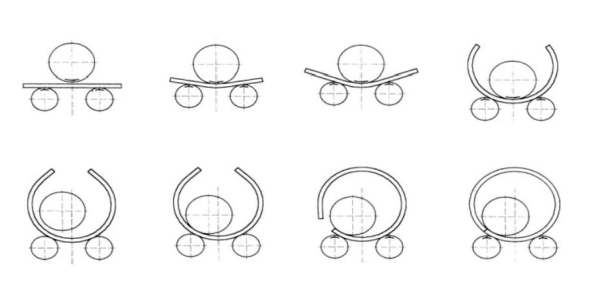
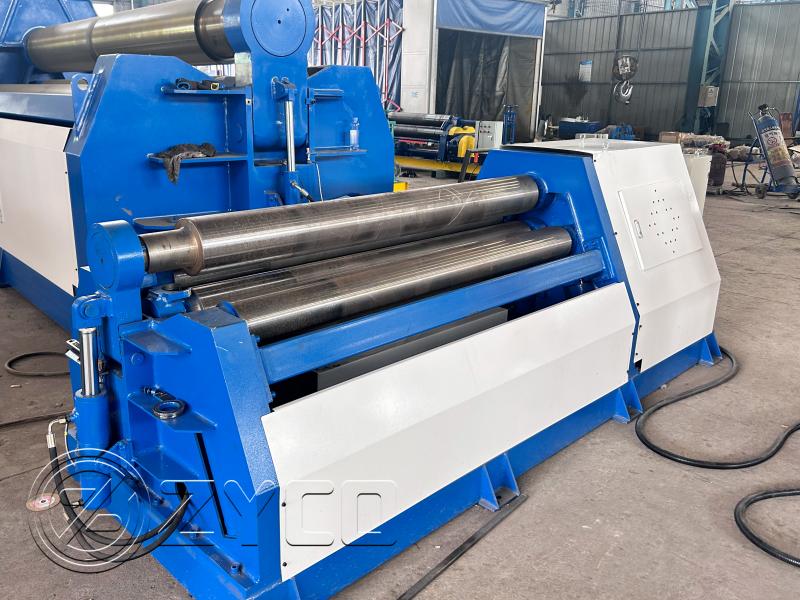
hydraulic rolling machine


  • The plate is fed between the rollers 
  • The rolls rotate to move the plate 
  • The top or side rolls apply pressure to create curvature 

Key Characteristics

  • Requires manual alignment 
  • Pre-bending often needs multiple passes 
  • Operator skill heavily affects results 

3-roll machines are widely used due to their simple structure and lower cost.


What Is a 4-Roll Plate Rolling Machine?

A 4-roll plate rolling machine adds an extra roller, enabling more advanced functionality and automation.

Structure

  • Top roll (main drive) 
  • Bottom roll (pinch and feed) 
  • Two side rolls (bending control) 

How It Works

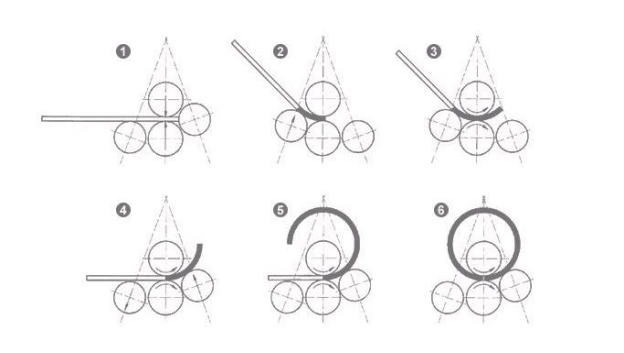
cnc sheet metal rolling machine

  • The plate is clamped between top and bottom rolls 
  • Side rolls move to perform pre-bending 
  • Continuous rolling forms the desired shape 

Key Characteristics

  • Automatic plate clamping 
  • One-pass pre-bending 
  • Higher precision and repeatability 

4-roll machines are ideal for high-efficiency and high-accuracy production environments.


Key Differences Between 3-Roll and 4-Roll Plate Rolling Machines

  1. Structure and Design


Feature 3-Roll Machine 4-Roll Machine
Number of rolls 3 4
Plate clamping Limited Strong (top + bottom roll)
Pre-bending Limited Yes (both ends)
Accuracy Moderate High
Automation Lower High (CNC)
Operation More manual Easy
Efficiency Medium High


The additional roll in a 4-roll machine allows for better control and stability during rolling.


2. Pre-Bending Capability

  • 3-Roll Machine:

Requires repositioning and multiple operations 

  • 4-Roll Machine:

Can pre-bend both ends in one setup 

This is one of the biggest advantages of 4-roll machines, reducing flat edges and improving efficiency.


3. Rolling Accuracy

  • 3-Roll: Moderate accuracy, depends on operator skill 
  • 4-Roll: High precision with consistent results 

4-roll machines provide better roundness and dimensional control, especially for thick plates.


4. Operation and Ease of Use

  • 3-Roll Machine: 

oMore manual adjustments 

oHigher skill requirement 

  • 4-Roll Machine: 
  • Easier to operate 
  • CNC automation available 
  • Less operator dependency 

Modern CNC 4-roll machines significantly reduce training time.


5. Production Efficiency

  • 3-Roll: Slower, requires multiple passes 
  • 4-Roll: Faster, single-cycle processing 

For large-scale production, 4-roll machines offer higher throughput and reduced labor costs.


6. Cost and Investment

  • 3-Roll Machine:

Lower initial cost

Suitable for small workshops 

  • 4-Roll Machine:

Higher investment

Better long-term ROI 

Companies focused on automation and productivity often choose 4-roll machines despite the higher upfront cost.


Advantages of 3-Roll Plate Rolling Machines

3-roll machines are still widely used due to:

  • Lower purchase cost 
  • Simple structure and maintenance 
  • Suitable for light to medium workloads 
  • Ideal for small-scale fabrication shops 


Advantages of 4-Roll Plate Rolling Machines

4-roll machines provide advanced benefits:

  • One-time plate positioning 
  • High-precision rolling 
  • Reduced material waste 
  • Faster production cycles 
  • Easy integration with CNC systems 

They are the preferred choice for industrial-scale manufacturing and high-precision applications.


Applications: Which Machine Should You Choose?

Choose a 3-Roll Machine If:


You have a limited budget 

  • Production volume is low 
  • Products do not require high precision 
  • Skilled operators are available 
  • Choose a 4-Roll Machine If:


You need high accuracy and consistency 

  • Production efficiency is critical 
  • You process thick or large plates 
  • You want automation and CNC control 


Industry Applications

Both machines are widely used in:

  • Steel structure fabrication 
  • Pressure vessel manufacturing 
  • Shipbuilding 
  • Oil & gas industry 
  • Wind tower production 

However, 4-roll machines are increasingly preferred in industries that demand high precision and automation.


Why Modern Manufacturers Prefer 4-Roll Machines

With the advancement of CNC technology, 4-roll plate rolling machines have become the industry standard for many manufacturers.

Key reasons include:

  • Reduced labor dependency 
  • Improved product quality 
  • Faster production cycles 
  • Better repeatability for batch production 

Manufacturers like ZYCO provide advanced 4-roll plate rolling solutions designed for precision, durability, and ease of operation, helping businesses stay competitive in the global market.


Conclusion

The main difference between 3-roll and 4-roll plate rolling machines lies in their design, efficiency, and precision.

  • 3-roll machines are cost-effective and simple, suitable for basic applications 
  • 4-roll machines are highly efficient and precise, ideal for modern industrial production 

Choosing the right machine depends on your production scale, accuracy requirements, and budget.

For businesses aiming to improve productivity and product quality, investing in a modern 4-roll plate rolling machine is a strategic decision that delivers long-term value.

How does the HP300 Crusher Operate Normally?

At a customer site in China, an Nordberg HP300 cone crusher was suffering repeated trips: lubrication and hydraulic unit and PLC-cabinet temperatures were climbing above safe limits and destabilising the machine.  

metso hp


hp300 metso


Our factory-trained service team carried out a full maintenance intervention, replacing needed critical components with ONA-made parts. The HP300 crusher is now operating normally.


ONA can not only repair and refurbish crushers, but also provide all their parts. Eg. HP300 bowl liner, cone crusher mantle, jaw crusher liner, crusher breaker plate


Shared by engineer William Ji.

cone crusher pyb 900


Note: Metso® and HP300® are registered trademarks of Metso Corporation. The units serviced were rebuilt using aftermarket parts produced, supplied and warranted solely by ONA in China; they are not OEM originals and have no OEM affiliation, endorsement or warranty.

How to choose the correct blow bar material?

Choosing the wrong crusher blow bars material will have a series of serious negative impacts on the operation and economic benefits of an impact crusher. So, how should we choose the correct material for impact crusher parts?


1. High-manganese steels: MN13CR2, MN18R2, and MN22CR2.

Mn steel offers advantages in wear resistance and toughness, but its wear resistance is not as good as high-chromium steels.


2. High-chromium steels: CR22 or Cr26.

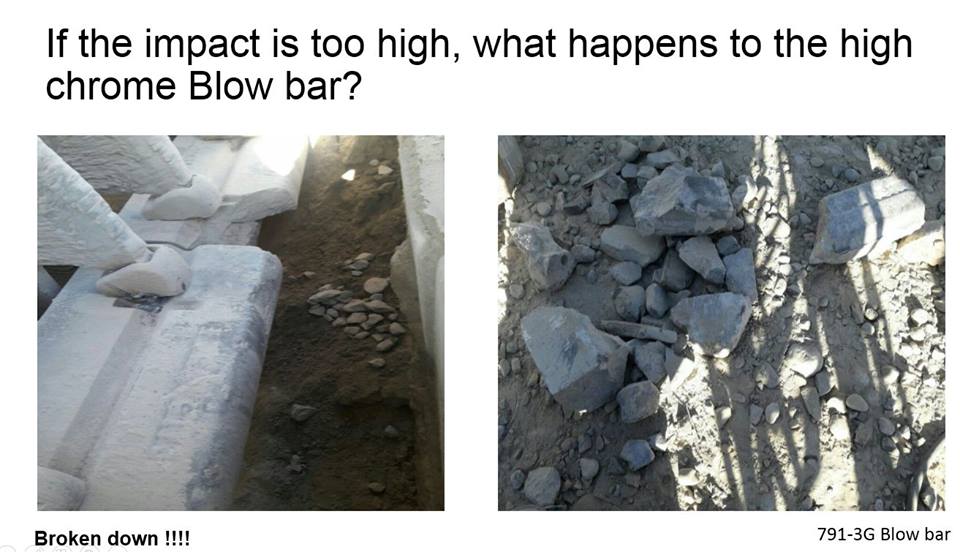
Cr steel offers advantages in wear resistance, but its disadvantage is that it makes the blow hammer brittle (poor toughness), unable to absorb impact energy during crushing and prone to breakage.


Impacts:

Secondary Equipment Damage: Broken hammer fragments fly at high speed, potentially damaging the crusher liner, impact frame, and even the rotor, resulting in high repair costs and extended downtime.


Safety Hazards: Flying fragments pose a serious safety hazard, potentially harming equipment and personnel.

impact crusher wear parts


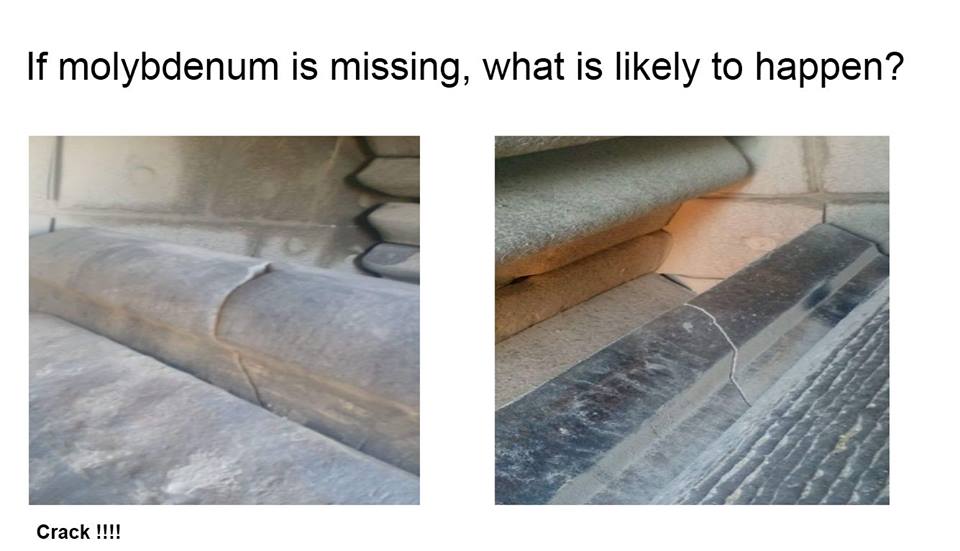
3. Materials with added Mo include: CR27MO0.5, CR27MO1, and CR27MO2. 

The advantage of Mo is that it increases microstructure and toughness, but it comes at a high price.

metso wear parts


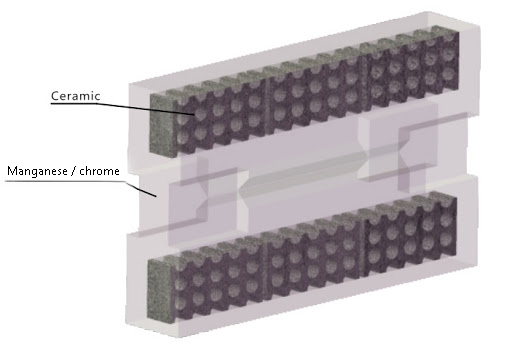
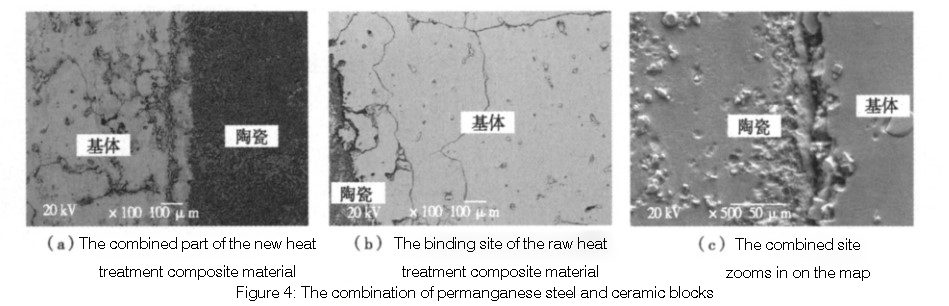
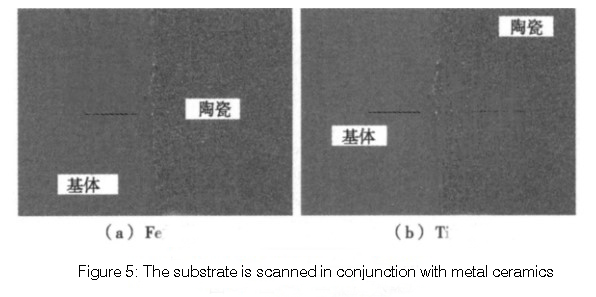
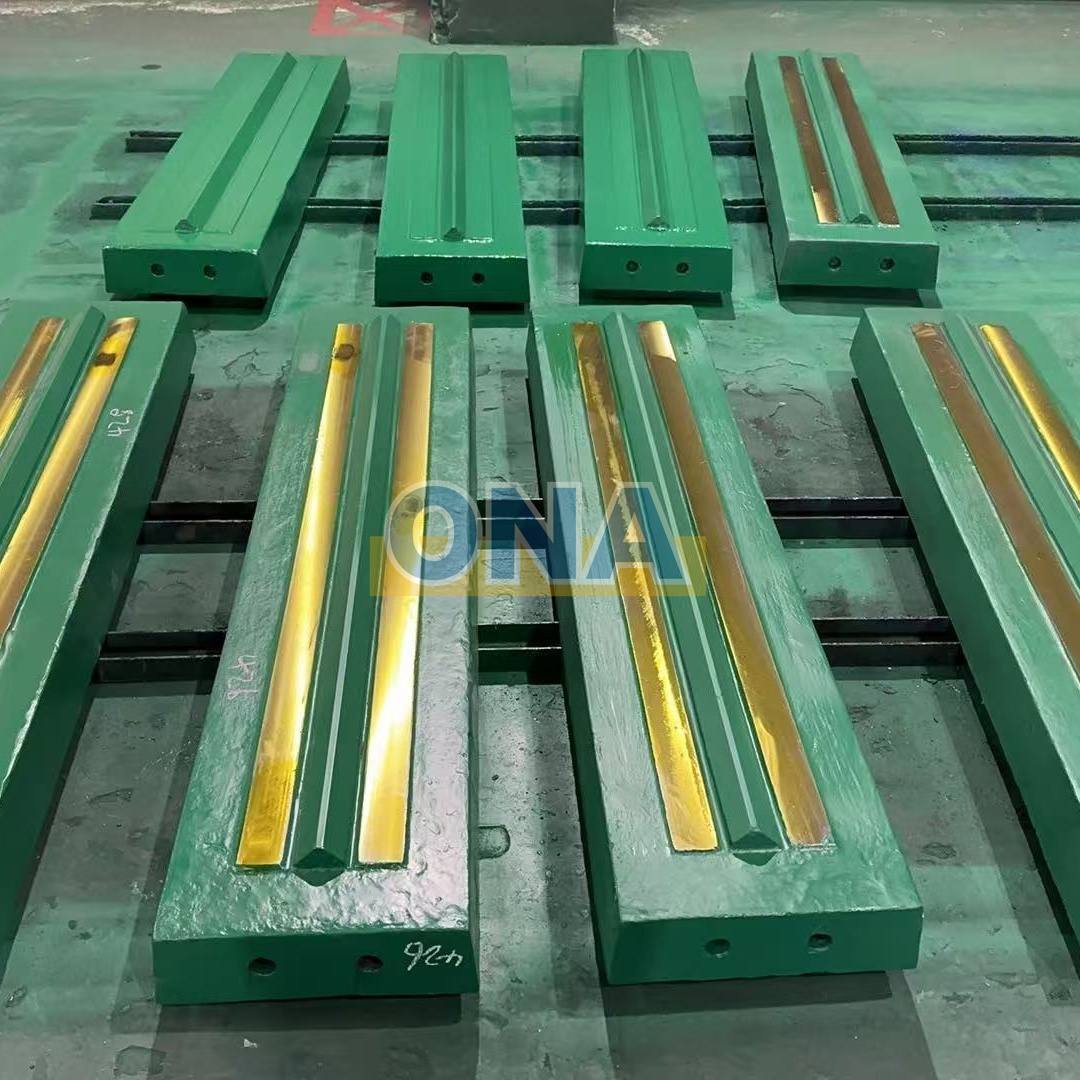
4. Other Materials: Depending on the application environment and requirements, titanium carbide, ceramics, and other materials can also be added to extend service life. Although relatively expensive, the overall cost-effectiveness is significant.

metso np15

Different Heat Treatment:

metso np1213

blow bar crusher


metso 1213 specs


nordberg np15


How to interpret the material report provided by the manufacturer?

In addition to ensuring that the main material components, such as Mn and Cr, match the quoted value, the lower the P and S values, the better; these are considered impurities.


Common Misconception: Higher hardness is not always better. For applications involving high impact and hard materials (such as granite crushing), sufficient toughness (e.g., using high-toughness alloy steel) is crucial. For applications involving high abrasiveness but low impact (e.g., limestone crushing), a higher hardness (e.g., using high-chromium cast iron) is recommended.


The correct selection method:

Provide accurate information: Provide ONA Casting with the crusher model, material type, hardness, feed size, and expected output. ONA's professional engineers can recommend the most suitable material, such as high-chromium cast iron, high-manganese steel, and alloy steel.


If price is the only consideration, the savings in blow bars purchase costs may far outweigh the significant losses caused by frequent downtime, equipment damage, and reduced production.


Therefore, choosing the right material is crucial.


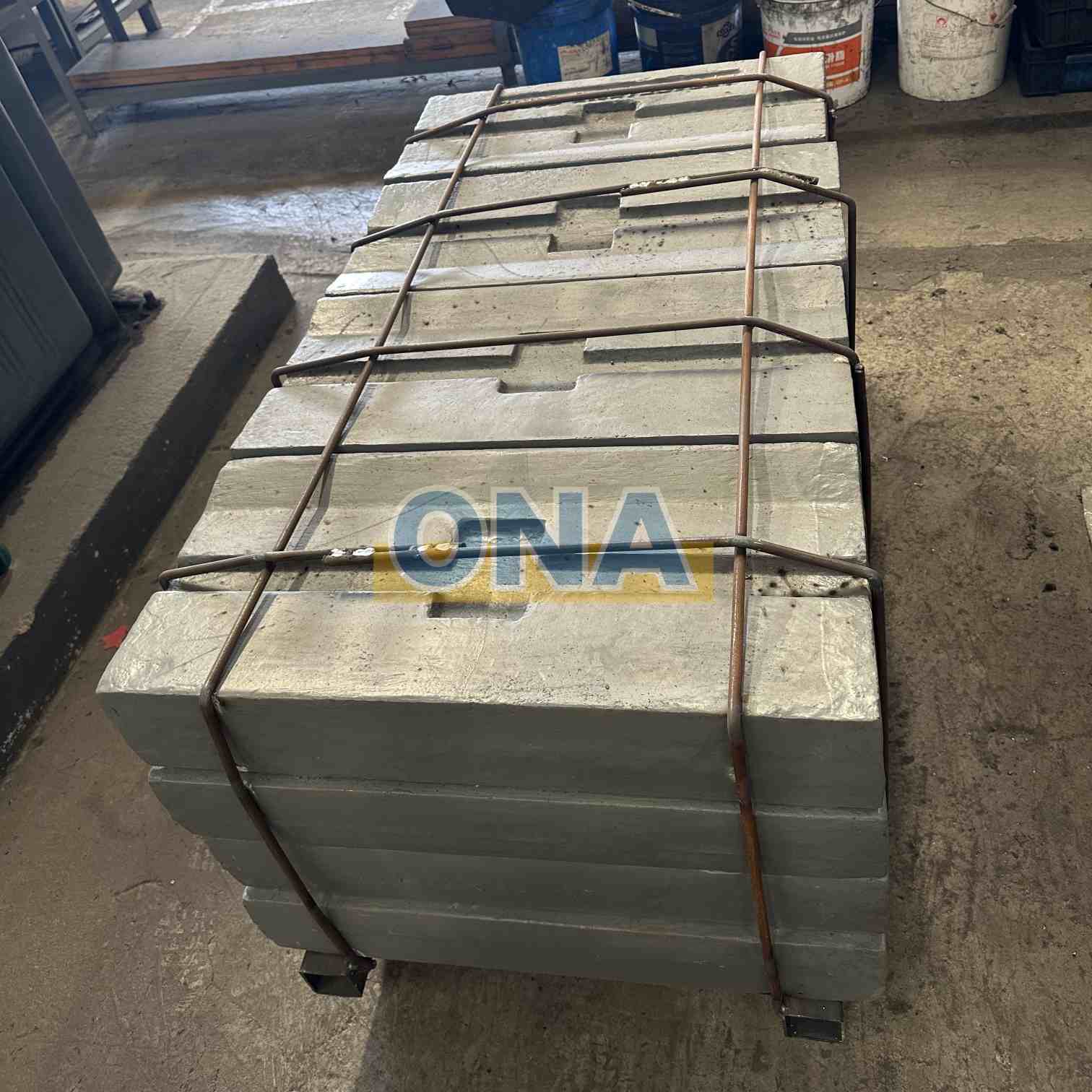
Some blow bars suit to Metso:

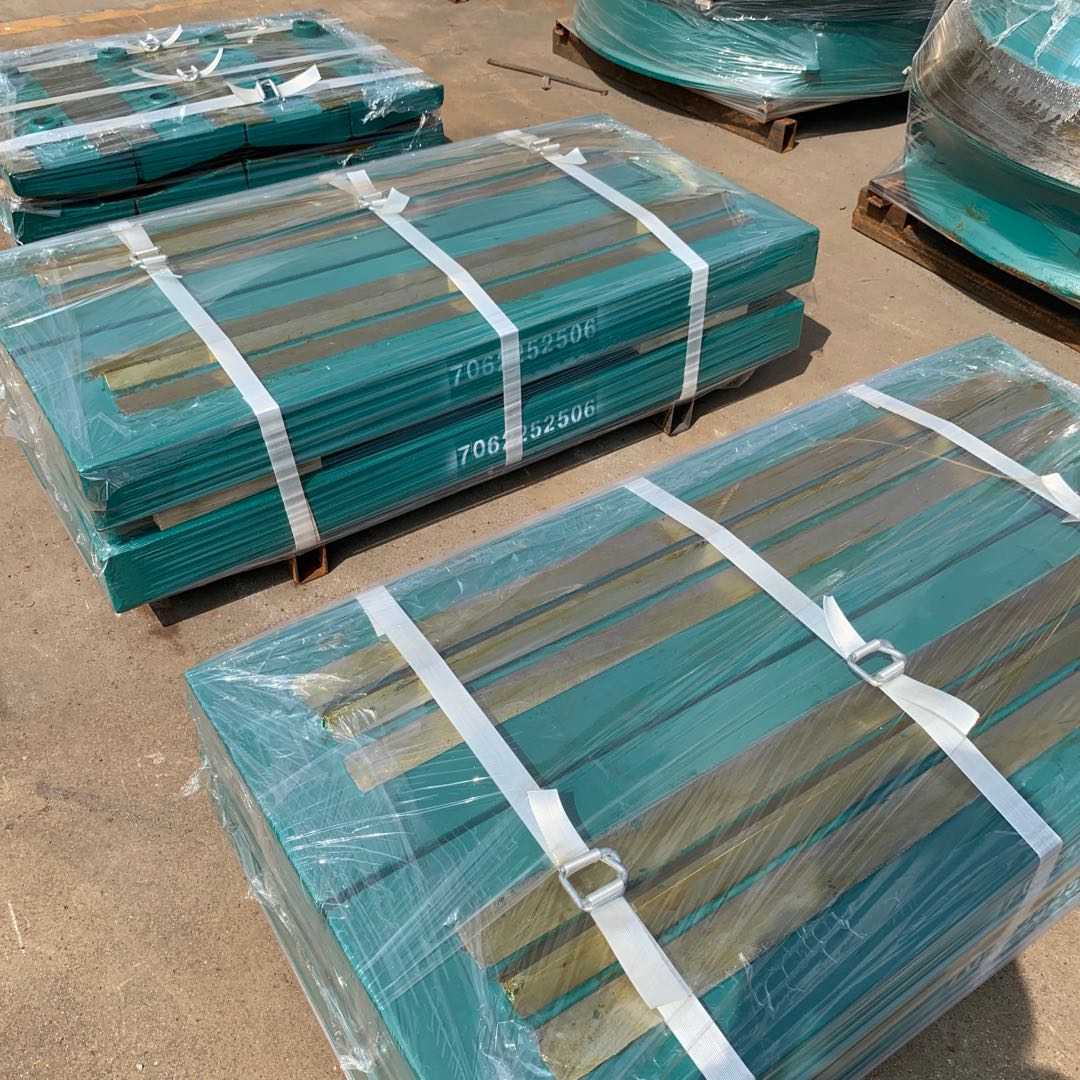
NP1007: 7062251011 NP1110: 7062251250 NP1213: 7062252506
NP1315: 7062252760 NP1520: 7062255000 Z036: MM0230680


How to choose the correct material for jaw cusher plate?

Metso C80 Jaw crusher are widely used in mining. Their main wear-resistant component is the jaw plate. However, many users lack dedicated engineers or, due to purchasing older, secondhand machines, cannot find relevant information and have little understanding of the materials used for the jaw plates and their heat treatment processes. Today, we will provide a detailed introduction to the practical applications of crusher jaw plates.


The jaw crusher operates on a reciprocating compression principle: the motor drives the belt and pulley, which in turn moves the moving jaw up and down via an eccentric shaft. When the moving jaw rises, the angle between the jaw crusher toggle plate and the moving jaw increases, pushing the moving jaw plate closer to the fixed jaw plate. Simultaneously, the material is crushed or split, achieving the crushing purpose. When the moving jaw descends, the angle between the jaw crusher toggle plate and the moving jaw decreases, and the moving jaw plate, under the action of the return rod and spring, moves away from the fixed jaw plate. At this point, the crushed material is discharged from the bottom of the crushing chamber. With the continuous rotation of the motor, the moving jaw of the crusher performs periodic movements to crush and discharge materials, achieving mass production.


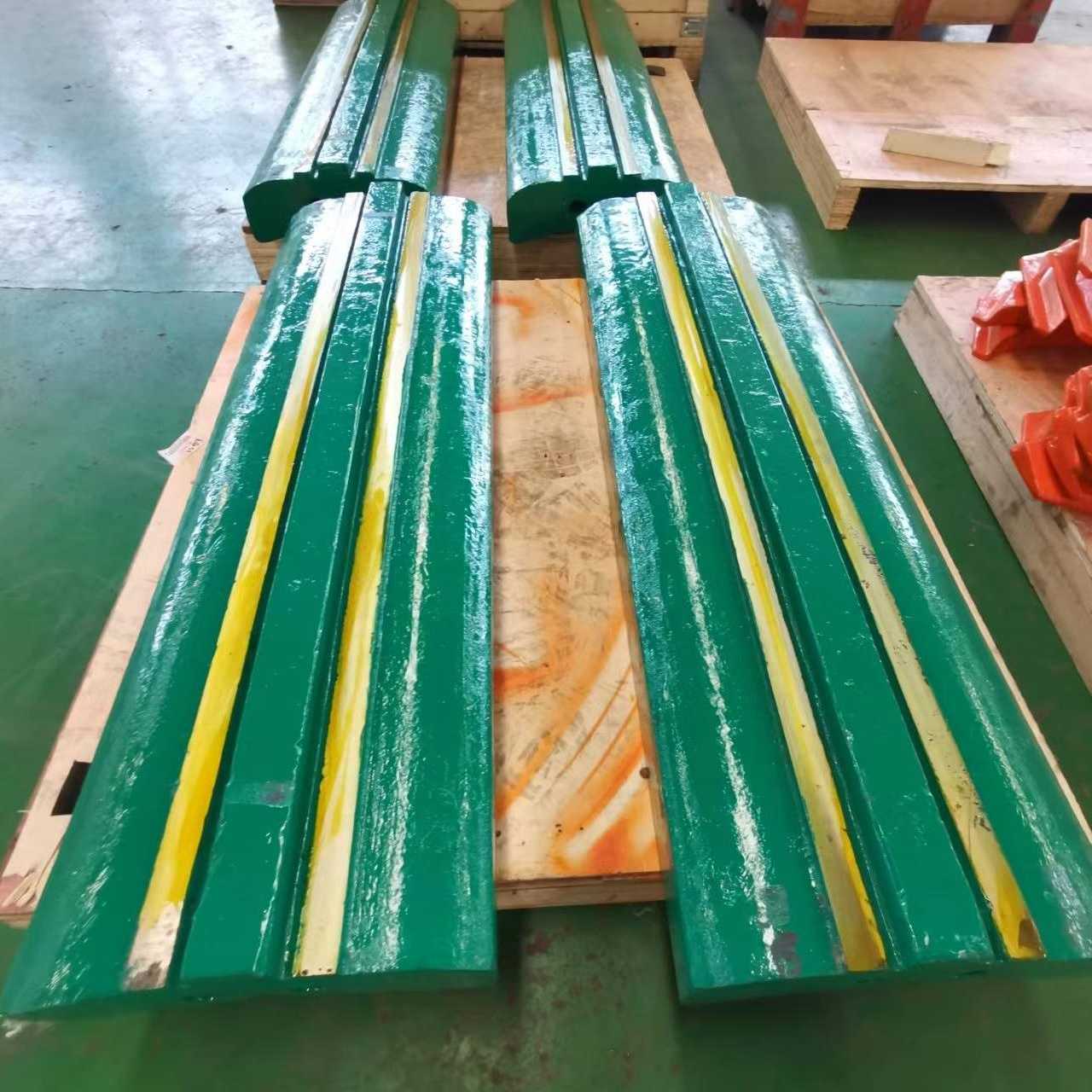
Jaw crusher wear plates are divided into moving jaw plates and stationary jaw plates(Some regions call it mantle concave). Depending on the model of the jaw crusher, there are various tooth profile sizes, generally made of high-manganese steel, i.e., high-manganese steel jaw plates. High-manganese steel has a history of over 100 years. Under conditions of strong impact abrasive wear, high-manganese steel has excellent wear resistance and is therefore commonly used in machinery and equipment in mining, building materials, and thermal power plants. Applicable materials include coal gangue, feldspar, barite, and basalt. Under low-impact conditions, the work hardening effect is not significant, and high-manganese steel cannot fully utilize its material properties.


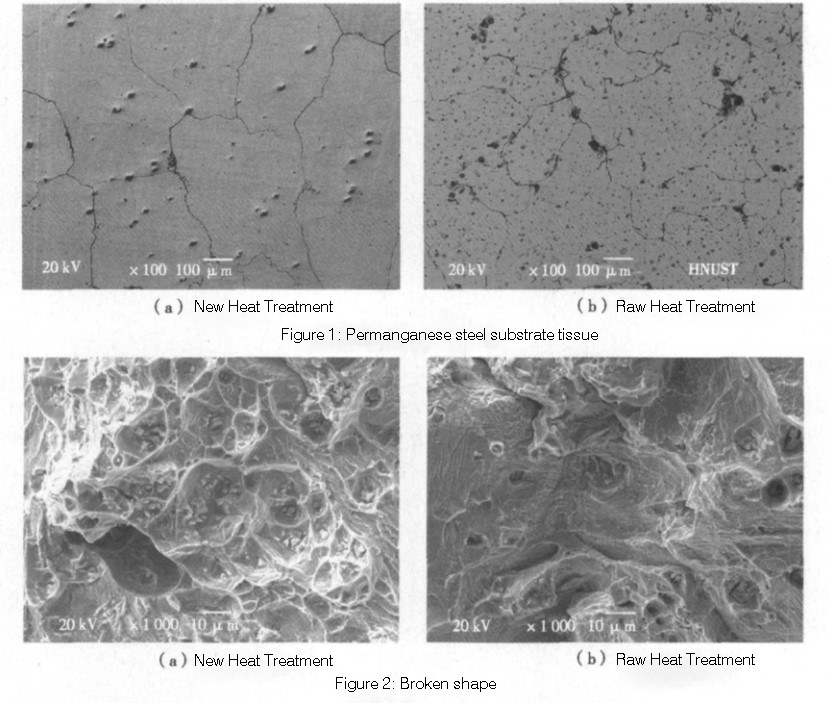
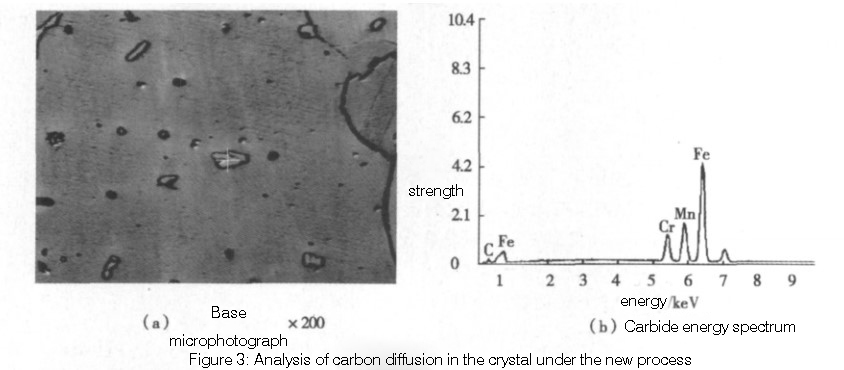
Research has found that three major factors affect the wear resistance of high-manganese steel jaw plates during the casting process: material, purity of raw materials, and heat treatment process. Material is the fundamental element determining the wear resistance of high-manganese steel jaw plates. Adding chromium to high-manganese steel (Mn18Cr2) directly increases its wear resistance. Some manufacturers use recycled high-manganese steel as raw material, or mixed in the new raw material, which introduces harmful sulfur and phosphorus elements into the newly cast jaw plates, affecting their service life. Finally, regarding the heat treatment process of high-manganese steel jaw plates, rapid heating at low temperatures can cause cracking. Therefore, the correct procedure is to maintain a heating rate of <80℃/h below 350℃ and <100℃ above 750℃, when the casting is in a plastic state and can be rapidly heated. At 1050℃, determine the holding time based on the casting thickness (usually 1 hour/25mm); then rapidly raise the temperature to approximately 1100℃ and hold for half an hour before removing from the furnace. The casting must be immersed in water as soon as possible after removal from the furnace; the time between removal and immersion should not exceed 45 seconds, and even shorter in winter. Slow heating at high temperatures, insufficient holding time, and excessively long intervals between removal and immersion (not exceeding 0.5 minutes) all negatively impact the quality of the high-manganese steel jaw plates.


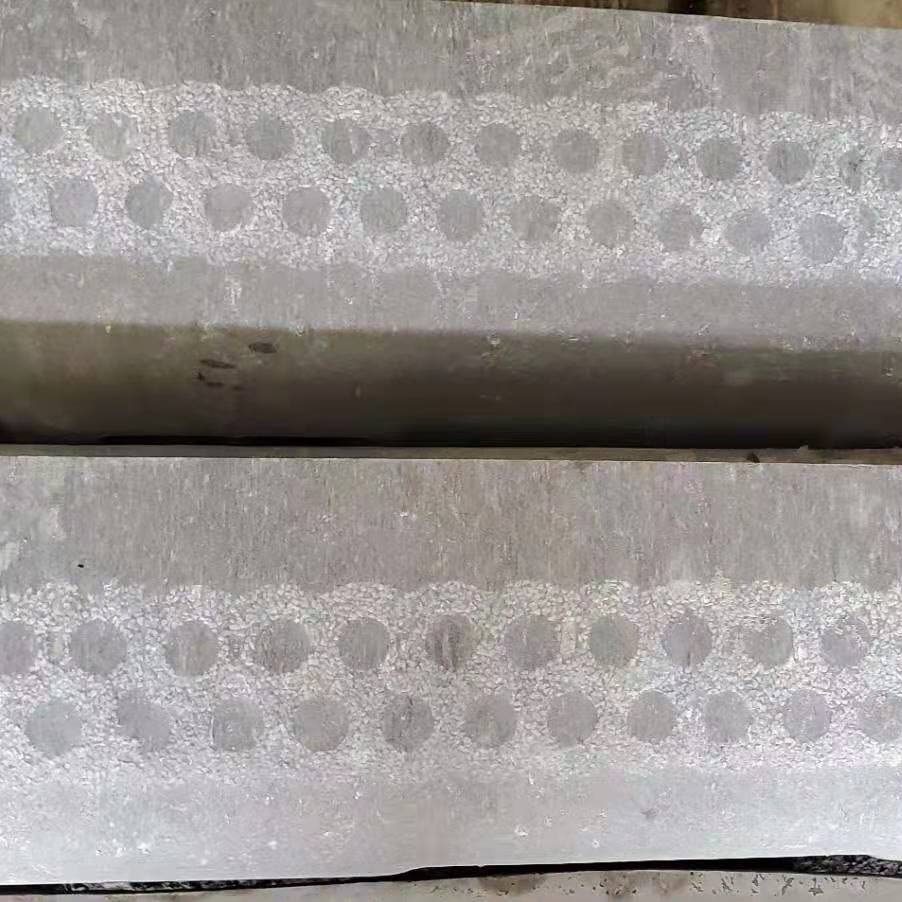
Striving for greater wear resistance in jaw plates does not necessarily require continuously increasing the proportion of high-manganese steel. Mn13Cr2 and Mn18Cr2 are suitable for most jaw plates, while Mn22Cr2 is suitable for extremely cold regions. For regions with suitable temperatures, choosing Mn22Cr2 compared to Mn18Cr2 will not only fail to significantly extend the service life but will also increase procurement costs. For better results, consider inlaying with cemented carbide, which can achieve a service life 1.5-1.8 times that of Mn18Cr2.


If you are unsure which material is best for your needs, please contact us. Tell us about your raw materials being crushed and the desired results. Our professional engineers will recommend the most cost-effective solution for you.

How to understand the material inspection report?

I believe many customers know that when purchasing crusher wear-resistant parts, you can ask suppliers to provide material inspection reports. The material inspection reports provided by different suppliers are slightly different. Even the inspection reports of the same manufacturer may have some differences in different orders. Today we will briefly describe the meaning of each chemical element in the material inspection report.


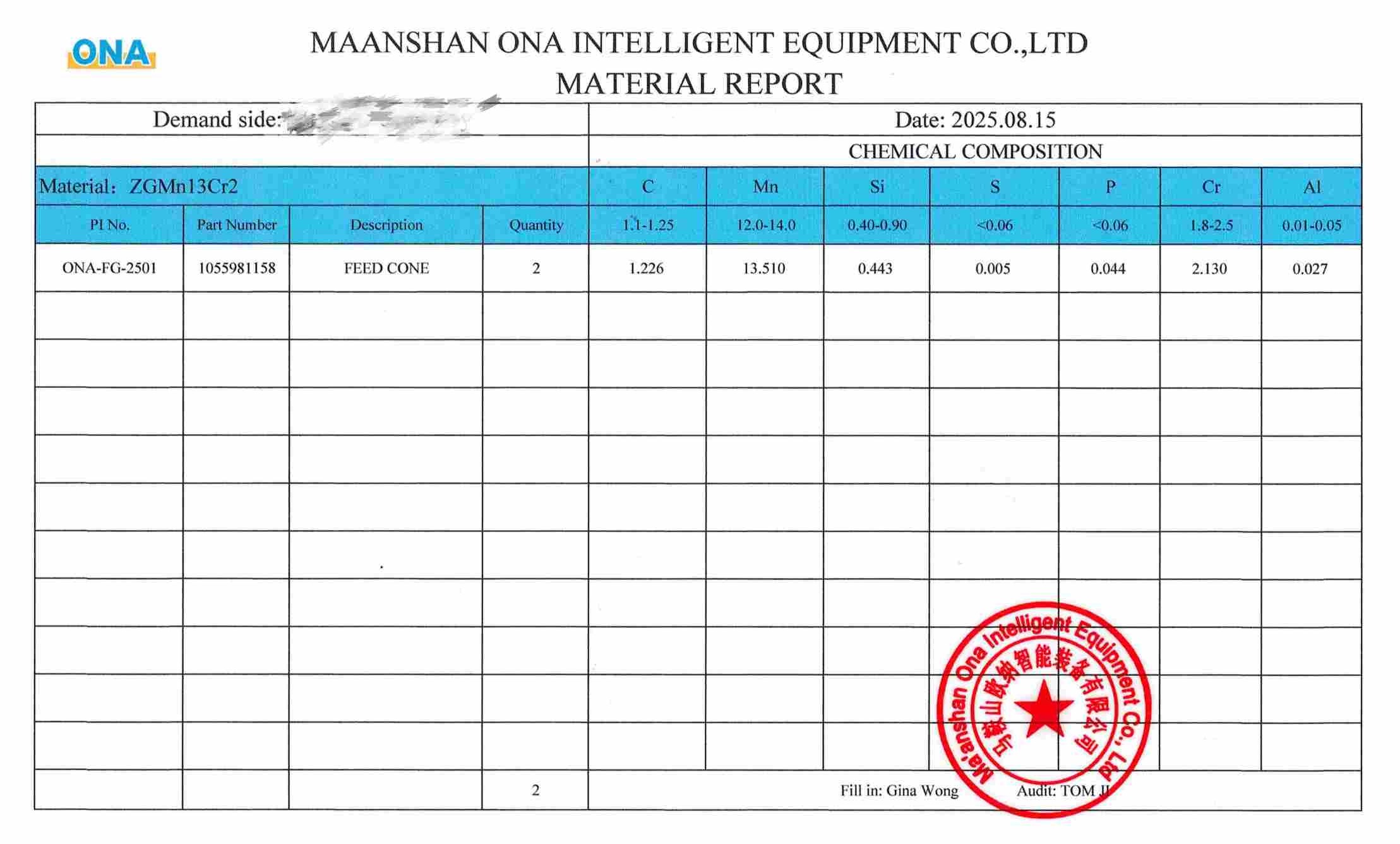
Here is a sample suit for Nordberg HP300 feed plate, PN: 1055981158, material Mn13Cr2. (This material also used for crusher mantle and crusher concave, China jaw plate, cheek plate jaw crusher, etc.)

metso hp300


As the name suggests, Mn13Cr2 means that the high manganese steel content is 13% and the high chromium content is 2%. Therefore, as long as the content values ​​are within the range, there is no problem.


The advantages of high manganese steel are wear resistance and good toughness, but high chromium steel has better wear resistance and is more expensive. The disadvantage of high chromium steel is that it is very brittle and the product is easy to break during use, so the more chromium steel, the better. The life of Cr is 2-2.5 times that of Mn.


P and S stand for phosphorus and sulfur respectively. They are impurities, so the lower their content, the better.


In addition to the above materials, we often encounter Mo. Its function is to increase the fineness of tissue particles and increase toughness, but the price is very high.


Titanium carbide, also known as cemented carbide, is expensive, but its lifespan is 1.5-1.8 times that of Mn.


If you are not sure what material is suitable for you, you can contact us and tell us the raw materials you want to crush, and our engineers will recommend the right material for you.


What is daily maintenance for a jaw crusher?

The jaw crusher is a core piece of crushing equipment in industries like mining and construction. Its stable operation directly impacts production efficiency. Routine maintenance not only reduces downtime due to failures but also significantly extends the equipment's service life.


Pre-Startup Inspection

  1. Check the tension of the V-belt, jaw plate, and the tightness of all bolts.
  2. Inspect the equipment casing and frame for cracks and loose bolts.
  3.  Check the oil level in the hydraulic tank to ensure it is between the oil gauge lines. Check the hydraulic quality and verify that the hydraulic pump is operating properly and that there are no leaks in the oil pipes.
  4.  Clear any remaining material from the feed inlet to avoid stalling during startup. Check the discharge opening clearance to ensure it meets production requirements to prevent substandard crushing or equipment overload.


Inspection During Operation

  1. Bearing temperature is within the normal range.
  2. The tie rod spring is normal.


Regular Maintenance After Shutdown

  1. Lubricate every 40 operating hours.
  2. Lubricate the discharge opening adjustment device and inspect the rubber cover (for mechanical adjustment of the discharge opening).
  3. Inspect the cheek plates for wear and replace if necessary.
  4. Check the toggle plate for alignment, straightness, and cracks.
  5. Inspect the toggle plate seat and rubber seal, and clean the toggle plate seat surface if necessary.
  6. Check the tightness of the frame mounting bolts.
  7. Inspect the flywheel.
  8. Inspect the rubber shock absorber pads for wear.


What's the Metso Barmac 840 STD/DTR Rotor?

Metso's Barmac 840 rotor is the most wear parts of the Barmac B7150se VSI crusher, commonly used in quarries and stone production plants. "840" refers to the rotor's outer diameter, or 840 mm. 


Function

The rotor's primary function is to accelerate the feed material and fling it against a fixed material bed ("rock-on-rock" anvils) or a surrounding feed bed. This high-speed impact crushes the rock along its natural fissures, producing high-quality cubic aggregate.


1. Material Acceleration: The raw material enters the crusher through the feed pipe and reaches the center of the rotating rotor.


2. Distribution and Ejection: The rotor's tip captures the material and ejects it outward at high speed through the rotor outlet.


3. Crushing Impact: The ejected material impacts the dense material layer accumulated on the surrounding feed ring and cascade rings, causing the material to break.


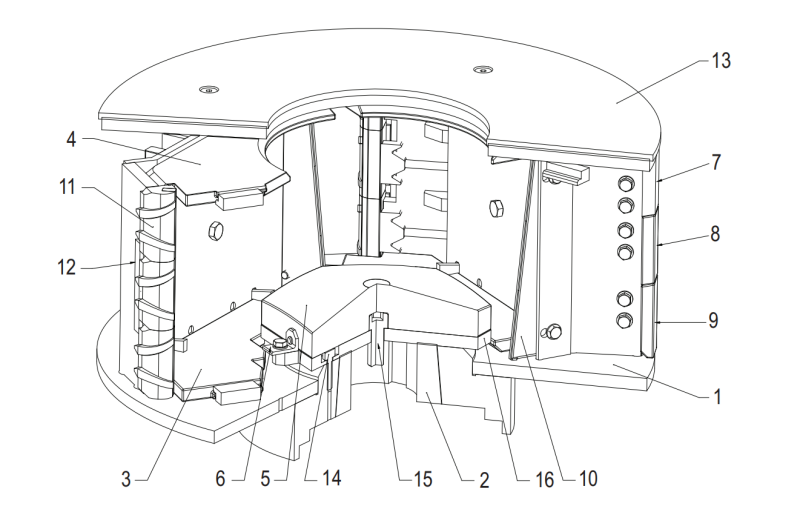
The "rotor" isn't a single component; it's a rotor assembly consisting of a rotor body and wear parts for Barmac B7150se vsi. Key components of the Barmac 840 rotor include:


Rotor body: The primary cast iron or steel structure that supports all other components. It serves as the backbone of the entire assembly.


Rotor tip (wear parts): These are replaceable tungsten carbide components bolted to the rotor body. They are the primary wear parts that directly contact and propel the feed material. They require periodic replacement.


Rotor outlet: The open passage between the rotor tips through which the accelerated material exits the rotor.


Shaft and bearings: The rotor assembly is mounted on a heavy shaft supported by large bearings for Metso Barmac B7150se vsi, enabling high-speed rotation (typically around 1,500-2,000 RPM).


When do wear parts need to be replaced?


Decreased output/capacity: The crusher is not processing as much material as before.


Poor product shape: An increase in flaky or elongated particles.


Excessive vibration: This may be due to uneven wear on the rotor tip tips, leading to imbalance. 


Increased operating noise


The following is a list of the main components of the Barmac 840 DTR and STD:


840 DTR
Part Number  Description Qty Weight. KG
Unit
1 B90334105N Bare Rotor 1 370
2 B96394049O Rotor Tip Set  3 5.2
3 B90394060A Short Backup Tip Set 1 1.6
4 B90394055B Trial Plate 1 1.5
5 B96394060B Long Backup Tip Set 1 3.2
6 B96334170C Top wear plate lipped  1 55
7 B96334180A Bottom wear plate lipped  1 58
8 B96394150O/B Bolt Set 3 0.15
9 B963940425A Bolt  1 0.2
10 B96394150N Cavity Wear Plate Outer 4 7.5
11 B96394150O  Cavity Wear Plate Middle 2 7.5
12 B96334030E  Feed Eye Ring 1 21
13 B96334135A Upper Wear Plate 1 19
14 B96334140A Lower Wear Plate 1 25.2
15 B962S7040B Feed Tube 1 14
16 B96394120E Distributor Plate 1 33
840 STD 
Part Number  Description Qty Weight. KG
Unit
1 B96334105L Bare Rotor 1 253
2 B96394049O Rotor Tip Set  2 5.2
3 B96394055B Trial plate set  1 3.5
4 B96394060B Long Backup Tip Set 1 3.2
5 B96334170C Top wear plate lipped  1 55
6 B96334180A Bottom wear plate lipped  1 58
7 B96394150O/B Bolt Set 3 0.15
8 B963940425A Bolt  1 0.2
9 B96394150N Cavity Wear Plate Outer 4 2.5
10 B96334135A Upper Wear Plate 1 19
11 B96334140A Lower Wear Plate 1 25.2
12 B96334030E  Feed Eye Ring 1 21
13 B962S7040B Feed Tube 1 14
14 B96394120E Distributor Plate 1 33


If you have any needs, you can contact us at any time.


All names, marks, models, symbols and descriptions are used for reference purposes only and it is not implied that any of the parts/brands listed are the product of any company other than ONA. We are not agents or distributors for any of the above mentioned brands nor do we have any commercial relationship or association with them.


What's the parts in Sandvik CV229 Rotor Assembly?

Sand making machines are generally only used in stone mines and stone factories. Rotor assembly is the complete spinning-rotor assembly that fits inside VSI (Vertical Shaft Impact) crusher.  


Which mian parts in the Sandvik cv229 rotor assembly?


A high-strength welded plate hub that carries the tungsten-carbide-tipped wear parts (rotor tips, back up tip sets, trial plate etc.) and accelerates the feed rock to high speed so the particles shatter against the anvils and produce cubical sand or aggregates.  


Other components(feed tube, feed eye ring, distributor plate, cavity wear plate, upper/lower wear plate)are made of high chromium alloy Cr26Mo0.5. Top/bottom wear plate are made of high-strength wear-resistant plate.


What's the using life for each part?


In general:

Rotor tip/cavity wear plate: Around 5/7/10 days

Others: About 1 month


Below is the anatomy diagram of CV229:

vsi crusher parts


Pos No. Qty PN Description
1 1 488.0219-901 High profile rotor body
2 1 488.0029-001 Taper lock
3 1 488.0361-901 Lower wear plate set
4 1 488.0360-901 Upper wear plate set
5 1 488.0076-001 Distributor plate
6 1 488.1513-901 Distributor locating pin set
7 1 488.1644-901 Cavity wear plate set Turbo (upper)
8 1 488.1703-901 Cavity wear plate set Turbo (middle)
9 1 488.1704-901 Cavity wear plate set Turbo (lower)
10 1 488.0362-901 Trail plate 330 set
11 3 488.1456-901 Turbo tip set 110 mm (hard)
12 1 488.0368-901 Backup tip set
13 1 488.0369-901 Top wear plate set
14 8 840.0077-00 Screw M6S 20x50 8.8 ISO 4017
15 1 841.0502-00 Screw MC6S 24x60 12.9
16 1 488.0841-001 Top plate


What's the penetrant testing in crusher wear parts?

Penetrant testing, also known as liquid penetrant testing, is a non-destructive testing method widely used in industrial fields such as casting and forging. Its main function is to detect surface defects in mantle and concave, and other wear liners. 


Its core principle is very simple and intuitive: it utilizes the capillary action of liquids to detect discontinuous defects with openings on the material surface, such as cracks, pores, and porosity.


Here is a penetrant test report from ONA Casting, for CH660 cone crusher wear parts cone crusher concave liner 442.9356.

442.9356


Basic Principles and Process


The penetrant testing process is similar to blotting away spilled liquid with a paper towel. The basic steps are as follows:


1. Cleaning: Thoroughly clean the surface of the bowl liner and mantle to be tested, removing any oil, iron filings, paint, etc., ensuring that defect pathways are open.


2. Applying the penetrant: Spray or brush a special liquid (penetrant) containing colored or fluorescent dye onto the working surface and allow sufficient "residence time" (usually a few minutes to tens of minutes). During this time, the penetrant will penetrate into even the smallest surface opening defects through capillary action.


3. Removing excess penetrant: After the residence time, carefully wipe or rinse off any excess penetrant from the working surface. The key point is that the penetrant trapped inside the defect will not be washed away.


4. Applying the developer: Apply a thin layer of developer to the working surface. It is usually a white powder suspension or dry powder, acting like blotting paper, using capillary action to "draw back" the penetrant from the defect to the surface.


5. Observation: After sufficient development time, observe the surface.


Staining method: Under sufficient white light, the defect will show a clear red (or other colored) mark.


Fluorescence method: Under ultraviolet light (black light), the defect will emit a bright yellow-green fluorescence.


Main advantages


High sensitivity: Capable of detecting extremely fine, invisible surface opening defects.


Wide application: Applicable to almost any non-porous material (metals, ceramics, plastics, etc.).


Simple operation: Relatively low equipment cost, simple and intuitive operation process.


Intuitive results: Detection results are directly displayed on the workpiece surface, easy to observe and interpret.


Portable: Can be used for on-site inspection of large equipment or components.