What's the production process of crusher wear parts?

The production process for crusher wear parts (like cone crusher jaw plates, metso cone crusher parts mantles, metso cone liners, hammers, etc.) is a precise and multi-stage operation designed to create parts that are extremely wear-resistant and tough.


Here is a detailed breakdown of the typical production process:

Step 1: Pattern/Mold Making

· Process: A physical model (pattern) of the part is created, typically from wood. 

· Purpose: This pattern or mold defines the exact shape and dimensions of the final cast part. Its accuracy is critical.

Step 2: Molding and Casting

1. Mold Creation: Sand molds are commonly used. The pattern is packed in special foundry sand mixed with a binder (like clay or resin) to create a firm mold cavity in the shape of the part. The mold is typically made in two halves (cope and drag).

2. Melting: Raw materials (scrap steel, pig iron, and specific alloys like chromium, molybdenum, and manganese) are melted in a large furnace (e.g., electric arc furnace or induction furnace) at temperatures exceeding 1500°C (2732°F).

3. Pouring: The molten metal is poured into the prepared mold cavity and left to solidify.

Step 3: Shakeout and Cleaning

· Shakeout: Once the casting has cooled and solidified, the sand mold is broken apart, and the raw casting (called a "casting with gates and risers") is removed.

· Cleaning: The casting is then cleaned to remove all residual sand and the excess metal from the pouring channels (gates) and feeders (risers). This is often done using shot blasting (propelling small metal beads at high velocity) or arc air gouging.

Step 4: Heat Treatment

This is a crucial step that determines the final mechanical properties of the part, such as hardness, strength, and toughness.

· Process: The casting is subjected to a carefully controlled sequence of heating and cooling.

· Typical Cycle:

  · Quenching: The part is heated to a very high temperature and then rapidly cooled (quenched) in oil or air. This creates a very hard, but brittle, microstructure.

  · Tempering: The quenched part is reheated to a lower temperature and held for a specific time before cooling. This reduces brittleness and relieves internal stresses, achieving the perfect balance of hardness and toughness required to withstand impact and abrasion in a crusher.

Step 5: Machining and Finishing

· Process: The heat-treated casting is machined to achieve precise final dimensions and tolerances. This is typically done on CNC (Computer Numerical Control) machines like lathes, milling machines, and drills.

· Purpose: To ensure the part fits perfectly into the crusher. Key contact surfaces, bolt holes, and mating features are machined to exact specifications.

Step 6: Quality Control and Inspection

Quality checks are performed throughout the entire process.

· Chemical Analysis: A sample of the molten metal is analyzed via spectrometry to ensure the alloy composition is correct.

· Dimensional Inspection: Finished parts are measured with calipers, micrometers, and CMMs (Coordinate Measuring Machines) to verify they match the engineering drawings.

· Hardness Testing: The surface hardness is checked at multiple points using a Brinell or Rockwell hardness tester to ensure it meets the required standard.

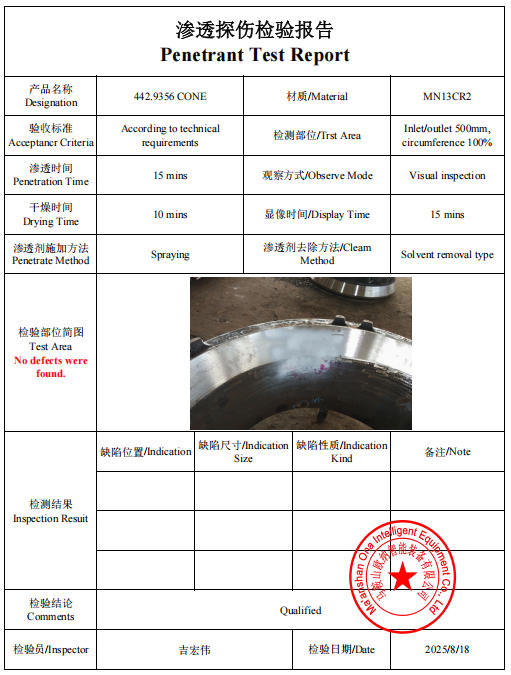
· Non-Destructive Testing (NDT): Methods like Magnetic Particle Inspection (MPI) or Dye Penetrant Inspection (DPI) are used to detect surface or sub-surface defects like cracks or inclusions that are not visible to the naked eye.

Step 7: Painting and Marking

· The finished part is often painted with a rust-preventative primer for protection during storage and shipping. We can customized color as your needs.

· Important information (part number, heat number, brand) is stamped or painted on the part for identification.

Step 8: Packaging and Shipping

The parts are securely packaged, usually in wooden pallet or iron pallet, to prevent damage during transportation to the customer.

Summary of Key Materials Used:

The specific material chosen depends on the application (e.g., crushing granite vs. recycling concrete).

· High Manganese Steel (Mn14, Mn18, Mn22): The classic material that work-hardens under impact, becoming harder as it is used.

· High Chromium Steel (Cr26): Excellent abrasion resistance but lower impact toughness. Used for highly abrasive conditions with less impact.

· Alloy Steel: A combination of various elements (like Cr, Mo, Ni) to create a balance of properties for specific crushing challenges.

What's the Trio Cone Crusher Parts?

ONA Casting manufacture compoments suit to Trio crusher parts as follows:


1. Wear Parts


These are the parts that directly interact with the rock and undergo constant abrasion and impact. They determine the crusher's product size, capacity, and are crucial for maintaining efficiency.


Mantle (Get China cone crusher parts mantle price): The moving cone-shaped part that gyrates against the concave to crush rock. It's the primary wear surface.

Concave (or Bowl Liner): The stationary outer surface that the mantle crushes the rock against. Mantles and concaves are always replaced as a matched set to ensure optimal crushing performance and product shape.

Feed Plate (Get high manganese crusher parts quotes): Mounted at the top of the crusher, the function is distribute incoming feed material evenly around the crushing chamber. This prevents uneven wear and maximizes crusher efficiency and liner life.

Crushing Chamber for (casting concave mantle for cone crusher spare wear parts)

: This refers to the *combination* of the mantle and concave, and their specific profile (e.g., coarse, medium, fine). According to the chamber of concave, we can find the correct mantle for you.


There also has spare parts, know more as follows parts list:


No Part Number Description
1 14/12G-AHPP - OD 14/12G-AHPP OUTLINE DRAWING
2 14/12G-AHPP - OD 14/12G-AHPP OUTLINE DRAWING
3 A482242 GENERAL ARRANGEMENT FOR 75NPCWBH ZVH1 DRIVE
4 A482293 ARRANGEMENT OF 100 DD-HRM WITH 110KW MOTOR
5 A482654 8/6 E-AH WITH 45kW MOTOR ZV1 LEVERLINK GENERAL ARRANGEMENT
6 A482905 DRIVEGUARD
7 A482907 COU ING GUARD
8 A482907 COU ING GUARD
9 A482947 DRIVEGUARD
10 A482948 DRIVEGUARD
11 A482950 DRIVEGUARD
12 A403686 COMPONENTS DIAGRAM
13 A483218 COU ING GUARD
14 A483311 DRIVEGUARD
15 A591803 ARRANGEMENT OF 3 D-AHF WITH 55KW MOTOR
16 A594195 GENERAL ARRANGEMENT FOR 50NCWBH ZVH1 DRIVE
17 A594200 GENERAL ARRANGEMENT FOR 75NPCWBH ZVH1 DRIVE
18 SVTC25041A05 BACKLINER - SVTC25041
19 SVTC25041A05 BACKLINER - SVTC25041
20 SVTC25041E24 BACKLINER - SVTC25041
21 SVTC25102NE02 COLUMN - SVTC25102N
22 MK428759AE02 CL & CR DRIVE D225S/M FRAME
23 MK428795AE02 MOTOR SLOT COVER- CR
24 MK428800AE02 6/6 TC DRIVEGUARD - CR
25 MK428948AE02 250 MCU LITING BRACKET KIT
26 MK428988AE62 END COVER
27 MK429344AE02 14/12G-AHPP TRANSPORT CRADLE
28 MK429522AE02 250 MCU LITING BRACKET
29 MK429536AE02 250 MCU LIFTING BRACKET KIT
30 MK429672AE02 SPIGOT
31 MK429702BE02 Saddle Clamp
32 MK482883AE02 DRIVEGUARD
33 MK482905AE02 COU ING GUARD
34 MK483170AE02 TYNE FRAME - DRIVE SIDE
35 MK483200AE02 SAVAGE RIVER TRANSPORT FRAME 2
36 MK483218AE02 COU ING GUARD
37 MK483311AE02 DRIVEGUARD
38 TY024-17D21 END COVER TY024-17
39 GA-8618-SD IMPELLER, METAL 4 VANE, 42.DIA W/4 FR EXP #11ME
40 11033037 ,NO AIR BOOST
41 11034328 CONE,LOWER,INSERT,SPECIAL
42 04018CVXR55 COVER LINER
43 MK1203289AS98 FEED CHAMBER EXTENSION, 150CVX-BP
44 MK1203288AS98 TRANSITIONAL CONE, 150CVX-BP
45 ZA09006149 SPIGOT GASKET 400/500CVXT10
46 ZA09006293 400CVXT10 VORTEX GASKET
47 TRAIN17026227 Pump Spare_EPR_PART_DESCRIPTION_
48 10051CVXAP62 OVERFLOW BEND
49 10064CVX30Z14 SPIGOT LINER
50 10064CVX35Z14 SPIGOT LINER
51 10064CVX40Z14 SPIGOT LINER
52 10064CVX45Z14 SPIGOT LINER
53 10064CVX50Z14 SPIGOT LINER
54 10064CVX55Z14 SPIGOT LINER
55 10064CVX60Z14 SPIGOT LINER
56 10064CVX65Z14 SPIGOT LINER
57 10064CVX70Z14 SPIGOT LINER
58 10064CVX70Z53 SPIGOT LINER
59 10064CVX80Z14 SPIGOT LINER
60 10080CVX100U03 VORTEX FINDER
61 10080CVX100Y14 VORTEX FINDER
62 10080CVX110U03 VORTEX FINDER
63 10080CVX110Y14 VORTEX FINDER
64 10080CVX60U03 VORTEX FINDER
65 10080CVX60Y14 VORTEX FINDER
66 10080CVX65U03 VORTEX FINDER
67 10080CVX70U03 VORTEX FINDER
68 10080CVX70Y14 VORTEX FINDER
69 10080CVX80U03 VORTEX FINDER
70 10080CVX80Y14 VORTEX FINDER
71 10080CVX90A12 VORTEX FINDER
72 10080CVX90U03 VORTEX FINDER
73 10080CVX90Y14 VORTEX FINDER
74 TRIO17004302 CT1030 Jaw Crusher
75 TRIO17004303 Frame
76 TRIO17004304 Front wall
77 TRIO17004309 Side Wall
78 TRIO17004311 Stiffener (I)
79 TRIO17004312 Foot
80 TRIO17004316 Jack Pad
81 TRIO17004319 Back Wall Brace
82 TRIO17004320 Stiffener
83 TRIO17004314 Back Wall
84 TRIO17004322 Spring Keeper Seat
85 TRIO17004323 Spacer
86 TRIO17004325 Reinfore cross member
87 TRIO17004334 Flywheel
88 TRIO17004333 Flywheel Assembly
89 TRIO17004335 Counterweight
90 TRIO17004337 Sheave
91 TRIO17004336 Sheave Assembly
92 TRIO17004340 Pitman buffer (CT1030)
93 TRIO17004341 Pitman
94 TRIO17004342 Positioning block
95 TRIO17004345 Toggle seat buffer (CT1030)
96 TRIO17004346 Adjustment extension rod
97 TRIO17004326 Tension rod
98 TRIO17004327 Round steel Bar
99 TRIO17004328 Lower tension spring keeper
100 TRIO17004329 Upper Spring Keeper
101 TRIO17004331 Eccentric Shaft
102 TRIO17004349 Guard
103 TRIO17004350 Stiffener
104 TRIO17025817 CT1030 Encasement Frame
105 TRIO17004588 Stiffener
106 TRIO17004595 Brace
107 TRIO17004930 CT1030 Jaw Crusher
108 TRIO17004931 Frame
109 TRIO17075562 Bushing
110 TRIO17075561 Motor pulley
111 TRIO17003969 Track
112 TRIO17004026 CT1040 Jaw Crusher
113 TRIO17004027 Frame
114 TRIO17004028 Front wall
115 TRIO17004033 Side Wall
116 TRIO17004035 Stiffener (I)
117 TRIO17004036 Foot
118 TRIO17004037 Stiffener (II)
119 TRIO17004038 Housing Seat
120 TRIO17004044 Jack Pad
121 TRIO17004047 Back Wall Brace
122 TRIO17004042 Back Wall
123 TRIO17004055 Reinfore cross member
124 TRIO17004056 Feed Chute Mount
125 TRIO17004067 Flywheel Assembly
126 TRIO17004068 flywheel
127 TRIO17004069 Counterweight
128 TRIO17004078 Pulley Assembly
129 TRIO17004079 grooved pulley
130 TRIO17004084 Buffer upper
131 TRIO17004085 Pitman
132 TRIO17004086 Positioning block
133 TRIO17004089 Buffer lower
134 TRIO17004057 Frame bearing housing cover (left hand)
135 TRIO17004059 Eccentric shaft
136 TRIO17004060 Grease Keeper
137 TRIO17004063 Bearing housing
138 TRIO17004064 Frame bearing housing cover (right hand)
139 TRIO17004066 Shaft cover
140 TRIO17025820 CT1040 E184
141 TRIO17035300 Bearing Housing(RH)
142 TRIO17036369 Frame
143 TRIO17056086 Drive sheave
144 TRIO17004148 CT1048 Jaw Crusher
145 TRIO17004149 Frame
146 TRIO17004150 Front wall
147 TRIO17004155 Side Wall
148 TRIO17004157 Stiffener (I)
149 TRIO17004158 Foot
150 TRIO17004040 Triangular Stiffener
151 TRIO17004159 Stiffener (II)
152 TRIO17004041 Stiffener (III)
153 TRIO17004160 Housing Seat
154 TRIO17004164 Jack Pad
155 TRIO17004049 Guider(I)
156 TRIO17004050 Guider(II)
157 TRIO17004167 Back Wall Brace
158 TRIO17004051 Stiffener
159 TRIO17004162 Back Wall
160 TRIO17004052 Spring Keeper Seat
161 TRIO17004053 Spacer
162 TRIO17004169 Reinfore cross member
163 TRIO17004170 Feed Chute Mount
164 TRIO17025823 lubrication block
165 TRIO17004185 Flywheel Assembly
166 TRIO17004186 Flywheel
167 TRIO17004187 Couterweight
168 TRIO17004189 Sheave Assembly
169 TRIO17004190 Sheave
170 TRIO17002822 Socket Wrench ( 4)
171 TRIO17002823 Socket
172 TRIO17002824 Hex head
173 TRIO17002825 Arbors
174 TRIO17002826 Handle
175 TRIO17004192 Pitman buffer (CT1048)
176 TRIO17004193 Pitman
177 TRIO17004194 Positioning block
178 TRIO17004171 Toggle seat buffer (CT1048)
179 TRIO17004072 Retain block
180 TRIO17004073 Extension bar


What's the VTM (Vertical Tower Mills) Liner?

VTM Liners: Protect Your Vertical Grinding Mill's Core


In ONA Casting, we not only provide wear parts for crusher, but also produce many high chrome products. VTM (Vertical Tower Mills) Liners which suit to Metso mining equipment are critical wear-resistant components installed inside the vertical grinding mill. Their primary function is to protect the mill's inner shell from severe abrasion and impact caused by the grinding media and ore.

 mining wear parts


Key Features & Benefits:


Superior Wear Resistance: Manufactured from advanced high-chromium cast iron, they withstand continuous abrasion, significantly extending service life.


Optimized Grinding Efficiency: The liner profile is designed to enhance the grinding media motion, leading to better material processing and particle size distribution.


Reduced Operating Costs: Durable liners decrease the frequency of shutdowns for maintenance, maximizing your mill's uptime and productivity.


Precision Engineering: Ensures a perfect fit for easy installation and stable performance within the mill chamber.


Inspection: Chemistry, Hardness, Magnetic Particle Examination, Dimension inspection report.

 metso equipment


At ONA Casting, we produce VTM liners with precise dimensions and optimal metallurgy to ensure they deliver maximum protection and value for your grinding operations. We also produce cast iron plate blow bar for impact crusher wear part, casting concave mantle for cone crusher spare wear parts, concrete mixer parts, etc.

Where Are V-Grooves Mainly Used? ZYCO Introduces Its Application Value and Scope

In metal fabrication, architectural decoration, and industrial manufacturing, the term “V-groove” is frequently mentioned. Yet for many people, it remains both familiar and confusing
Some understand a V-groove as a welding bevel, others see it merely as a decorative line, while many only encounter it in bending processes.

In reality, the purpose of V-grooves is quite clear, but it's essential to distinguish between different application scenarios. This article will explain clearly from a practical production perspective: what V-grooves are used for, and where they are suitable for use.


1. The Core Purpose of V-Grooves: Enabling High-Quality Bending


In the sheet metal industry, the primary function of a V-groove is as a pre-bending process.

By machining V-grooves at the bending line of the sheet metal using a grooving machine, it is possible to:

· Reduce bending force

· Significantly minimize the bending radius (R angle)

· Prevent surface marks, wrinkling, or distortion in thin sheets

· Improve consistency in bending angles and dimensions

As a result, V-grooves are widely used in:

· Stainless steel door frames

· Elevator decorative panels

· Metal cabinets and enclosures

· Architectural decorative trims

Especially in thin sheet processing from 0.6–2.0 mm, V-grooving is a key process for achieving superior surface appearance and sharp edges.


2. When Is a V-Groove Used for Welding ?


It is important to note that not all V-grooves are intended for bending.

In welding applications, a V-groove usually refers to a welding bevel, mainly used for:

· Medium-thickness or thick plate welding

· Structural components requiring full weld penetration

· Parts with high load-bearing or strength requirements

These V-grooves are typically produced by cutting, milling, or plasma processing, with the goal of ensuring weld strength, not appearance or bending performance.

In contrast, V-grooves machined by sheet metal grooving machines focus on dimensional accuracy, groove consistency, and post-bending quality.


3. What Are the Advantages of V-Groove Panels?


In architectural and interior decoration, V-groove paneling is also widely applied.

Machining V-grooves directly onto metal or decorative panels using mechanical methods offers the following advantages:

· Straight, clean lines with uniform depth

· A seamless appearance without relying on manual joints

· High consistency in mass production

· Enhanced depth, texture, and modern visual appeal

For metal decorative panels, door trims, and wall cladding, V-groove panels combine aesthetic value with industrial production stability.


4. What Is the Difference Between V-Groove and Shiplap?


Although V-groove and shiplap are often mentioned together in decorative applications, they are fundamentally different:

V-Groove
· Formed by grooving with a grooving machine or by mechanical processing

· Emphasizes line precision and industrial consistency

· Better suited for metal and automated production

Shiplap
· Created by overlapping boards to form gaps

· Focuses more on structural layering

· Commonly used in wood or lightweight decorative materials

From a metal fabrication perspective, V-grooves align better with standardized and automated manufacturing.


5. How Is V-Groove Different from Beadboard?


Beadboard typically features dense, rounded decorative grooves and places greater emphasis on decorative style and visual detail.

In comparison, V-grooves offer:

· Clean groove geometry with sharp angles

· Crisp, modern visual lines

· Easier control of machining precision

In industrial sheet metal and modern architectural design, V-grooves have a broader range of applications and better compatibility with metal materials.


Summary: V-Grooves Are Not Just Decorative Details, But Also a Processing Capability


Whether in bending processes, welding preparation, or architectural decoration, the essence of a V-groove lies in controlled material processing.

For the sheet metal industry, V-grooving is no longer merely an “appearance enhancement,” but a critical capability that helps to:

· Improve bending quality

· Ensure batch consistency

· Reduce rework rates

· Enhance overall product competitiveness

All of this depends on stable, high-precision V grooving equipment.


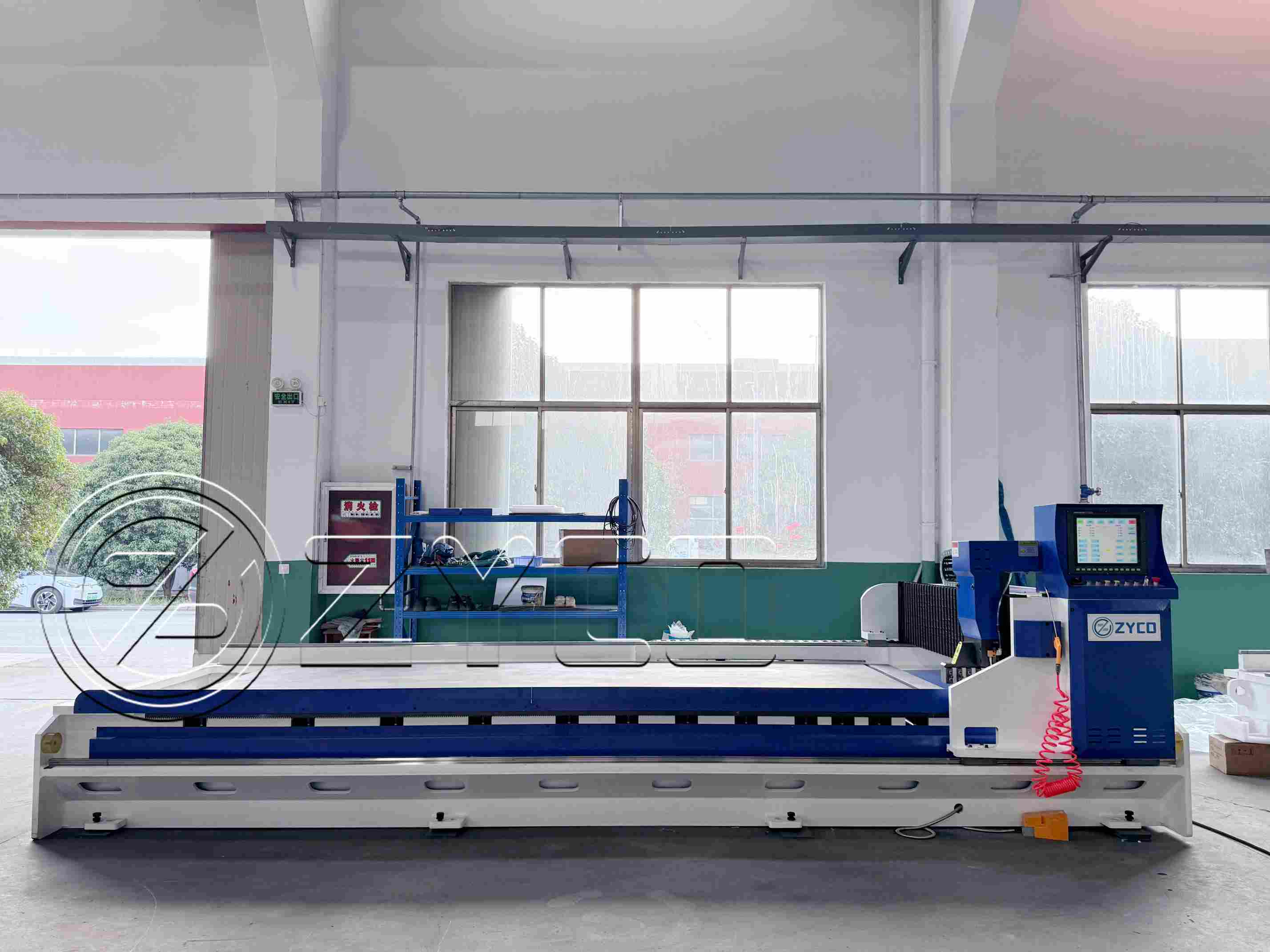
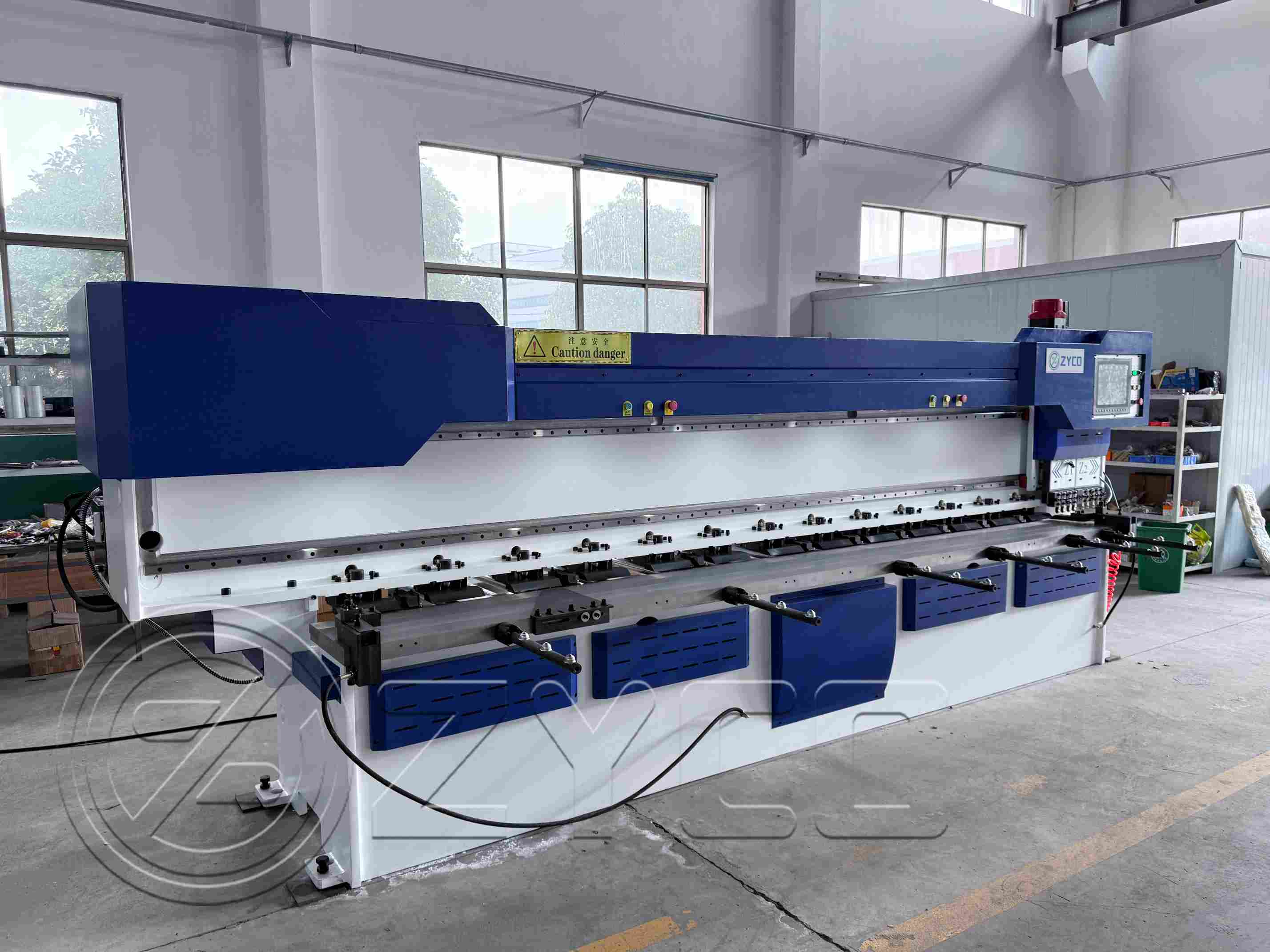
	 Iron plate grooving machine


If you are producing door frames, decorative panels, or any metal products with high requirements for straightness and bending accuracy, V-grooving is a process you simply cannot afford to ignore.

Why Are More Brazilian Door Frame Manufacturers Choosing Grooving Machines?

In Brazil's home improvement and construction market, the demand for metal door frames is growing rapidly. Whether it's a residential or commercial project, customers have higher requirements than ever before for the appearance, precision, and stability of door frames. To enhance product competitiveness, more Brazilian manufacturers are re-evaluating traditional bending methods and introducing grooving machines as key equipment into their production lines.

This article shares the experiences and benefits of one of our customers from São Paulo, Brazil, from their initial encounter with grooving machines to their eventual adoption of the equipment.


1. Intensified competition in the door frame industry: the challenges they face are becoming increasingly apparent

This Brazilian customer mainly produces stainless steel and galvanized sheet door frames, with a stable annual output. However, they also face common challenges in the door frame industry:

① ★ The bending radius is too large, and the edges and corners are not three-dimensional enough

The door frame structure is mainly composed of straight lines and right angles, and the visual lines must be clean and crisp.
Traditional bending methods often result in excessively large radius angles, making the edges of the door frame appear "blunt" and "rounded", especially when combined with wall decorations, resulting in a less refined look.

② ★ Thin sheets (0.8–1.2 mm) easily deform

Door frames are typically made from thin material, which often leads to the following problems when bending:

· Indentations

· Local wrinkling

· Slight twisting

These defects will be magnified during the assembly of finished products, leading to rework.

③ ★ Difficult to maintain consistency in mass production

Door frames are produced in batches, and any deviation in the bending angle could cause the entire batch to jam or have uneven assembly gaps, affecting project delivery.

These problems made them realize that traditional bending could no longer meet the ever-increasing market demands.


2. Their first encounter with Grooving: What they cared about sasn’t Price, but Reliability

At a South American building materials exhibition, they saw door frame samples produced with grooving for the first time.
The sharp edges, clean bends, and consistent dimensions immediately caught their attention.

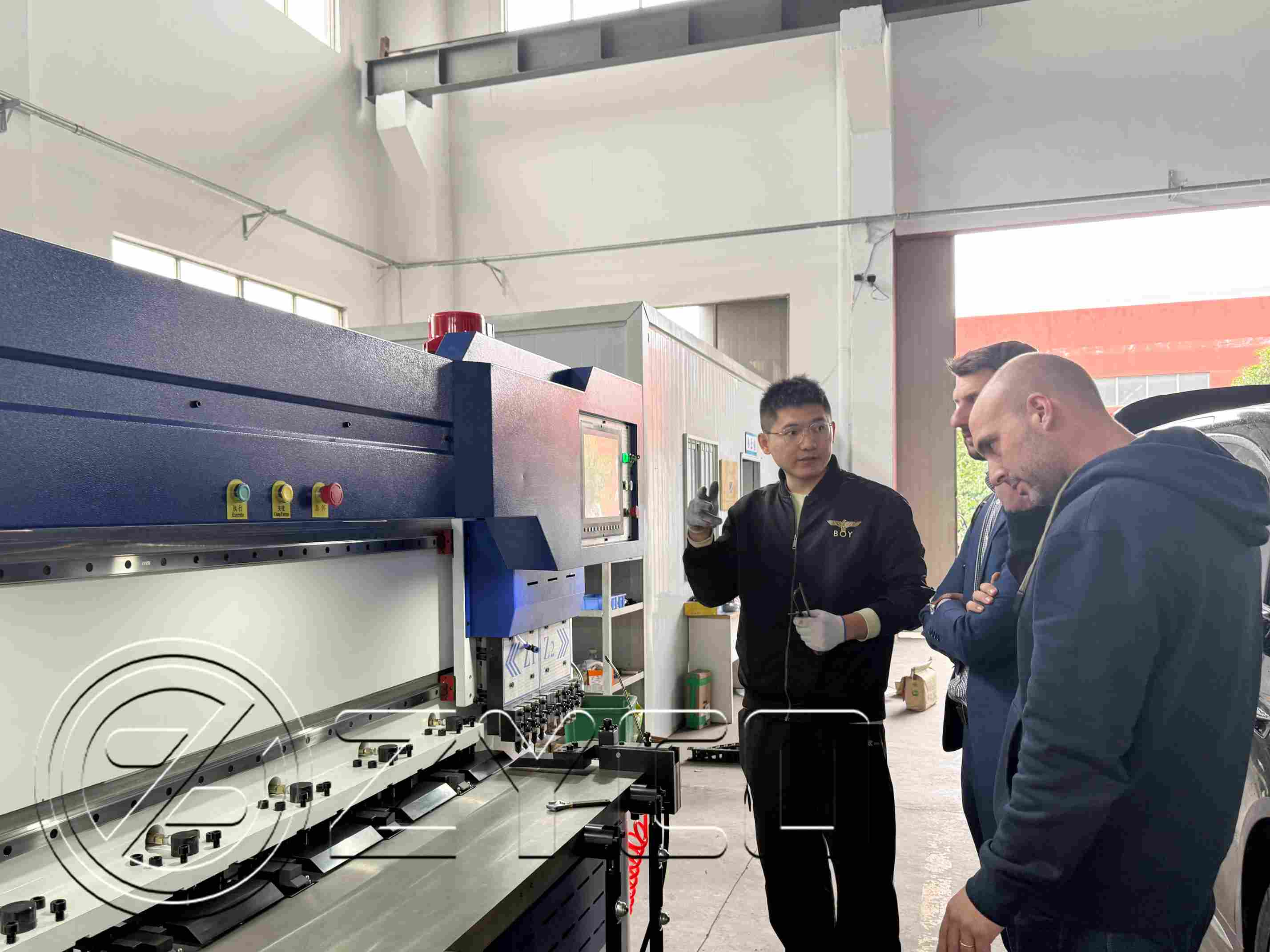
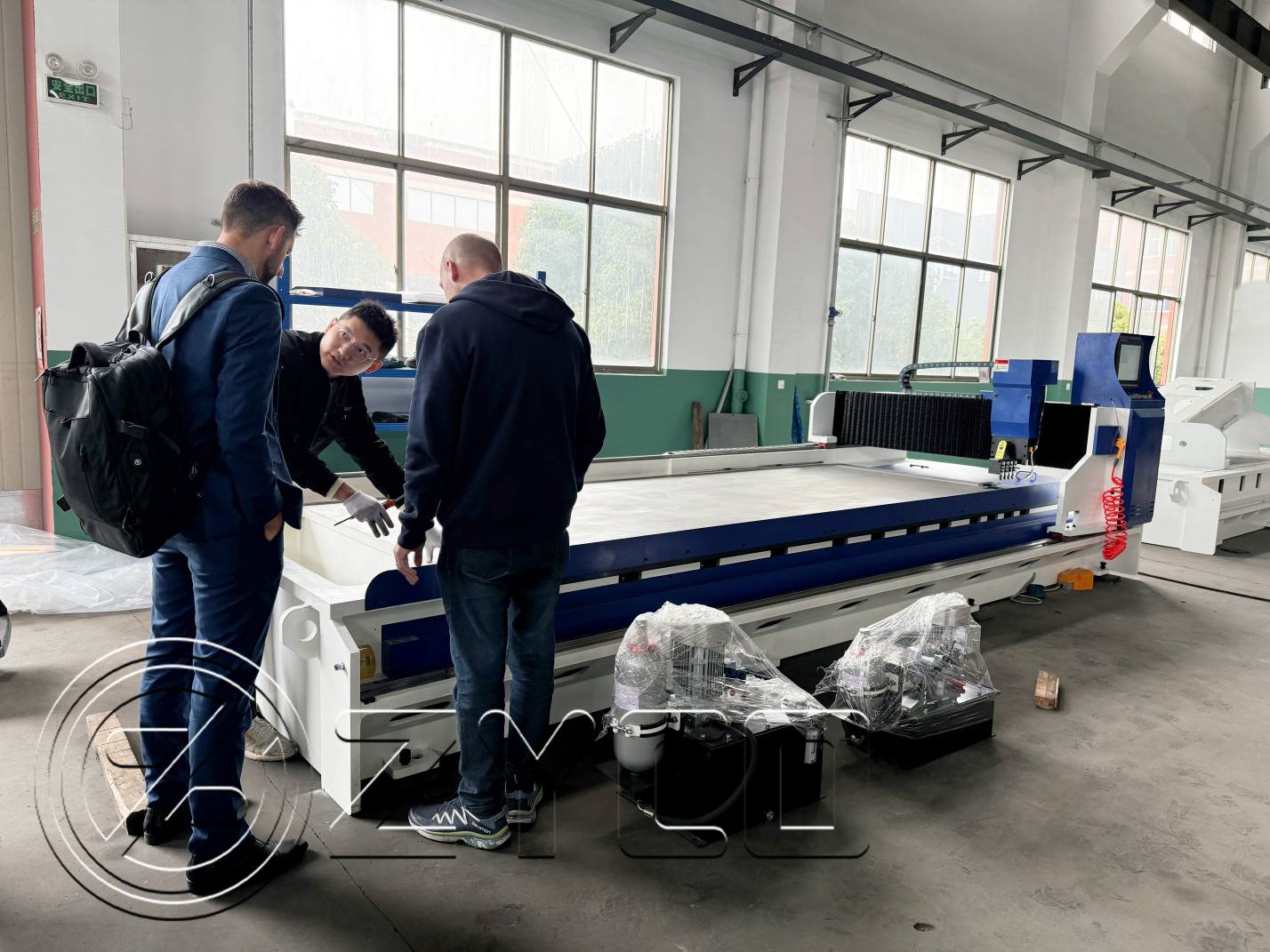
Soon after, they contacted us and came to our factory with samples and drawings for in-depth discussions.


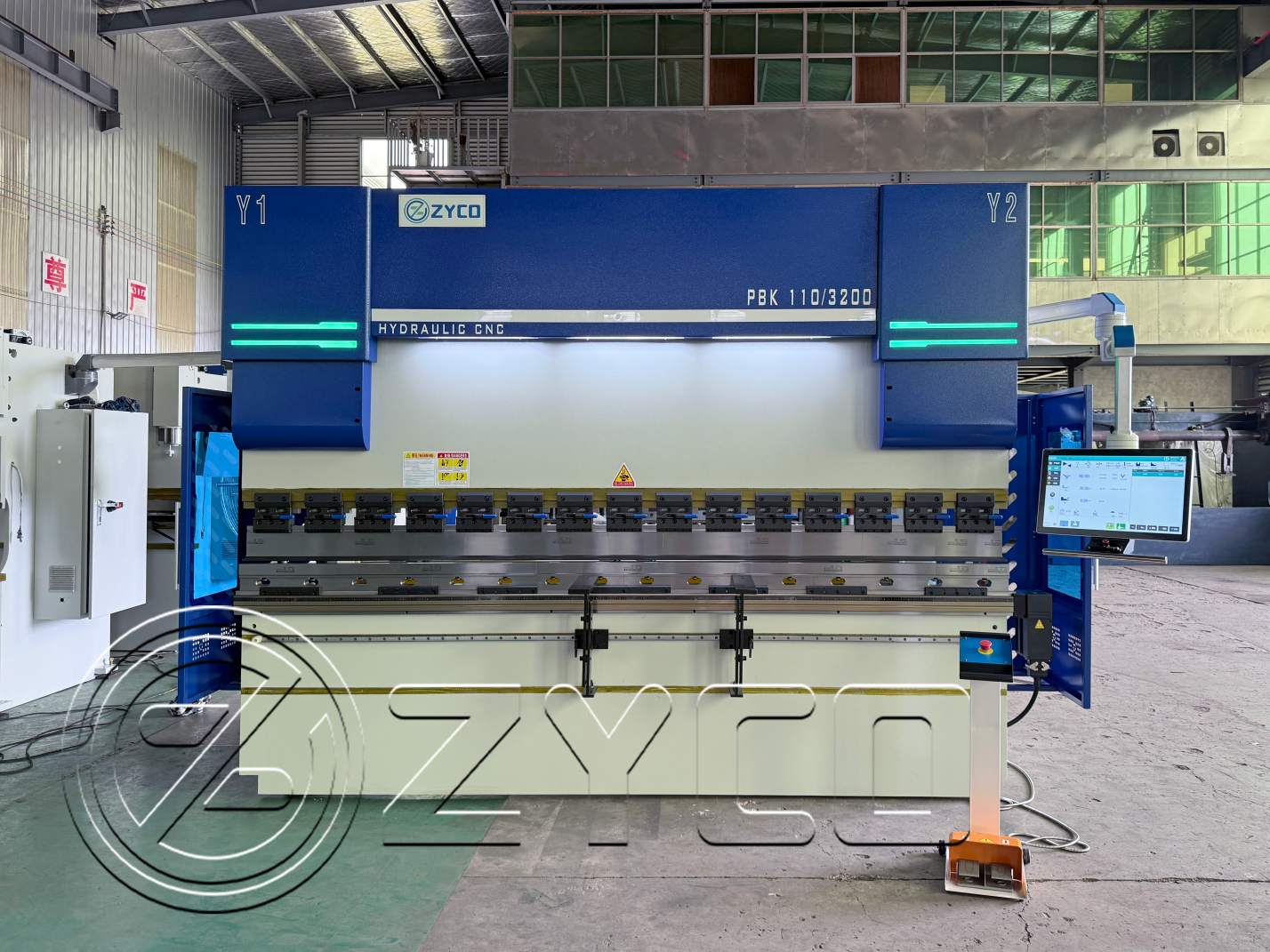
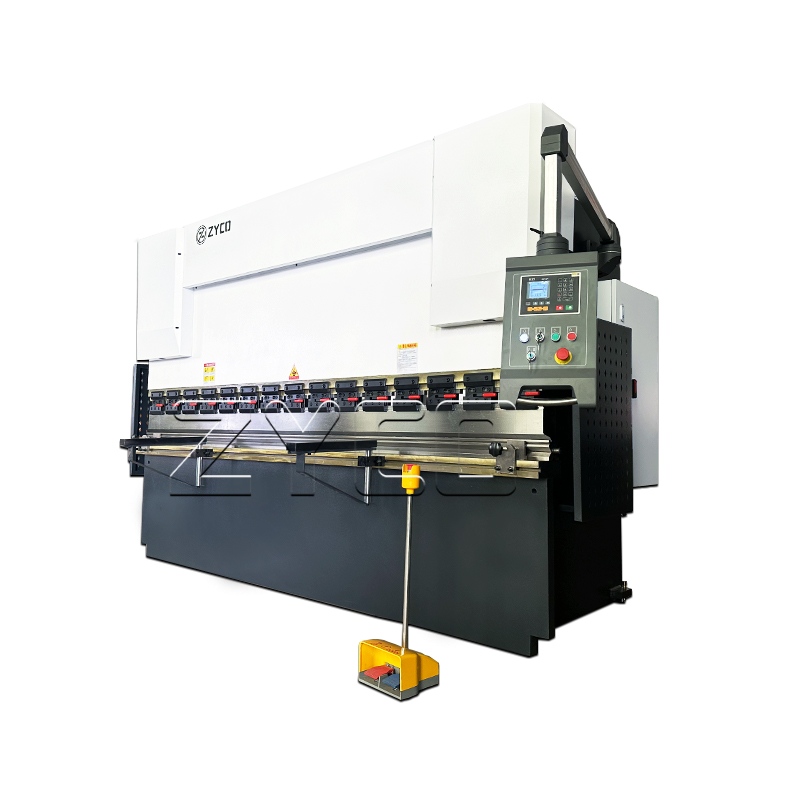
Automated press brake machines


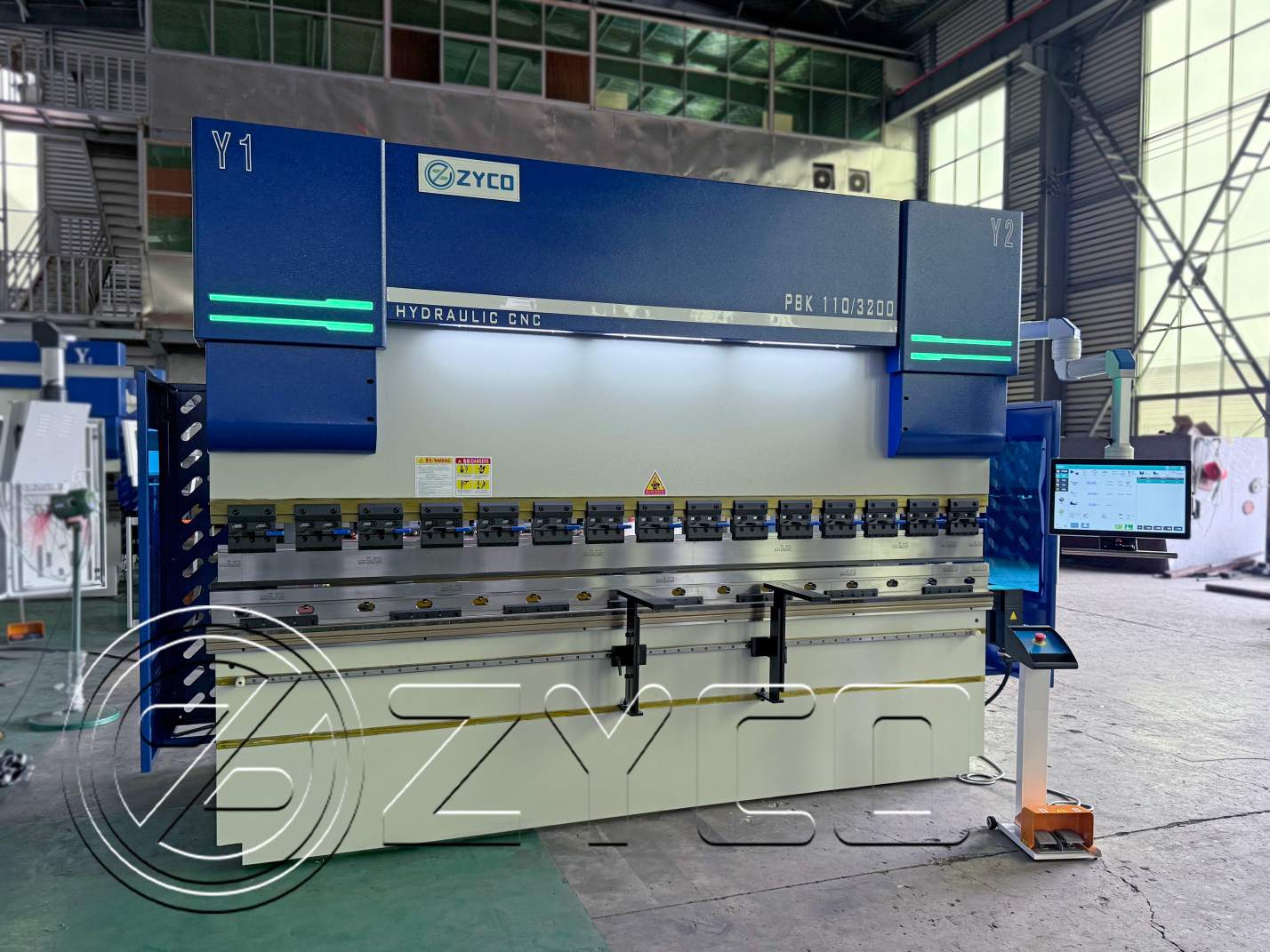
hydraulic press brake


Their main concerns include:

· Is the angle of the bend after grooving straight enough?

· Would long parts shift during the grooving process?

· Is it stable in long-term operation?

· Is it suitable for their large daily order volume?

After reviewing their product structure and material specifications, we recommended a vertical grooving machine, which is ideal for long profiles and typical door-frame geometries.


sheet bending machine 


3. How did Grooving machines change their door frame production?

After receiving the machine and undergoing a 7-day trial production test, they gave very clear feedback: the grooving machine elevated the quality of their door frames to a new level.

① Sharper lines and a significantly better visual appearance

After grooving, the bending radius is almost invisible.
Edges become:

· Straight

· Sharp

· Smooth

Once installed, the door frames look far more premium and refined.

This was the improvement they valued the most.

② No more wrinkling or deformation on thin sheets

Because grooving reduces bending resistance, their thin 0.8–1.2 mm materials now bend:

· Without marks

· Without wrinkles

· Without twisting

Even new operators can achieve stable, high-quality results.

③ Drastically improved batch consistency

Stable grooving depth means stable bending angles.
As a result:

· Assembly issues dropped sharply

· Rework rate decreased from 12% to below 3%

④ Faster delivery and higher production efficiency

The combination of grooving + bending allowed them to streamline their workflow.

For complex door frame profiles, it even reduced the number of steps and saved production time.


4. The biggest surprise: Total production cost actually decreased

After introducing the grooving machine, the management team conducted several cost evaluations.
The results were beyond their expectations:

· Material savings: More precise bending means less allowance needed

· Lower rework rate: Less wasted labor and less time lost

· Reduced welding: Many sections can now be formed with bending instead of welding

In the end, the machine paid for itself in less than one year.

Their comment was memorable:“The grooving machine is not a cost—it’s a capability.”


Conclusion: Why Brazil’s door frame industry is moving toward Grooving

Brazil’s door frame market is highly competitive, and appearance quality has become a decisive factor for end customers.
Grooving technology offers clear advantages:

· Sharper, more defined edges

· No deformation on thin materials

· Better batch stability

· Supply chain image upgrade

This is why more and more Brazilian door frame manufacturers are making the shift toward grooving.

If you produce door frames, cabinets, trims, or any product that relies on precise straight-line bending, we can help you evaluate your materials, dimensions, and order structure to recommend the right grooving solution for your factory.

ZYCO Electro-Hydraulic Servo press brake VS ZYCO Pure Electric press brake Which one is more suitable for your factory?

When it comes to sheet metal processing equipment selection, the question we hear most frequently from our ZYCO foreign trade team is, "Should I choose an electro-hydraulic servo press brake or a pure electric press brake?" Last year, a client who made medical device casings struggled for half a month, wanting the high precision of a pure electric press brake but worried about its inability to handle 3mm thick stainless steel. Another factory that makes home appliance parts nearly delayed the delivery of a bulk order because they chose the wrong machine. In reality, there's no absolute "good or bad" between these two models; the key is whether they're suitable for your production scenario. Today we will help you sort out your ideas from three perspectives: processing requirements, usage costs, and actual performance, combined with real cases.


1. Understand the core differences first: Don’t be confused by “technical terms”

Many buyers find the terms "electro-hydraulic servo" and "pure electric" confusing when they first hear them. The key differences lie in the power source and control method. Simply put:

Electro-hydraulic servo press brakes are driven by a "motor + hydraulic system." For example, the motor drives the hydraulic pump to raise and lower the slide and adjust the pressure. Just like the hydraulic forklift in the workshop, it is strong and can carry heavy weights, making it suitable for handling thick materials.
 

Copper plate pure electric press brake 


Pure electric bending machine: It is directly driven by a "servo motor" throughout the process. It does not have components such as hydraulic oil and oil pipes. It is a bit like a precision electric screwdriver. It has fast movements and high precision and is suitable for fine work.
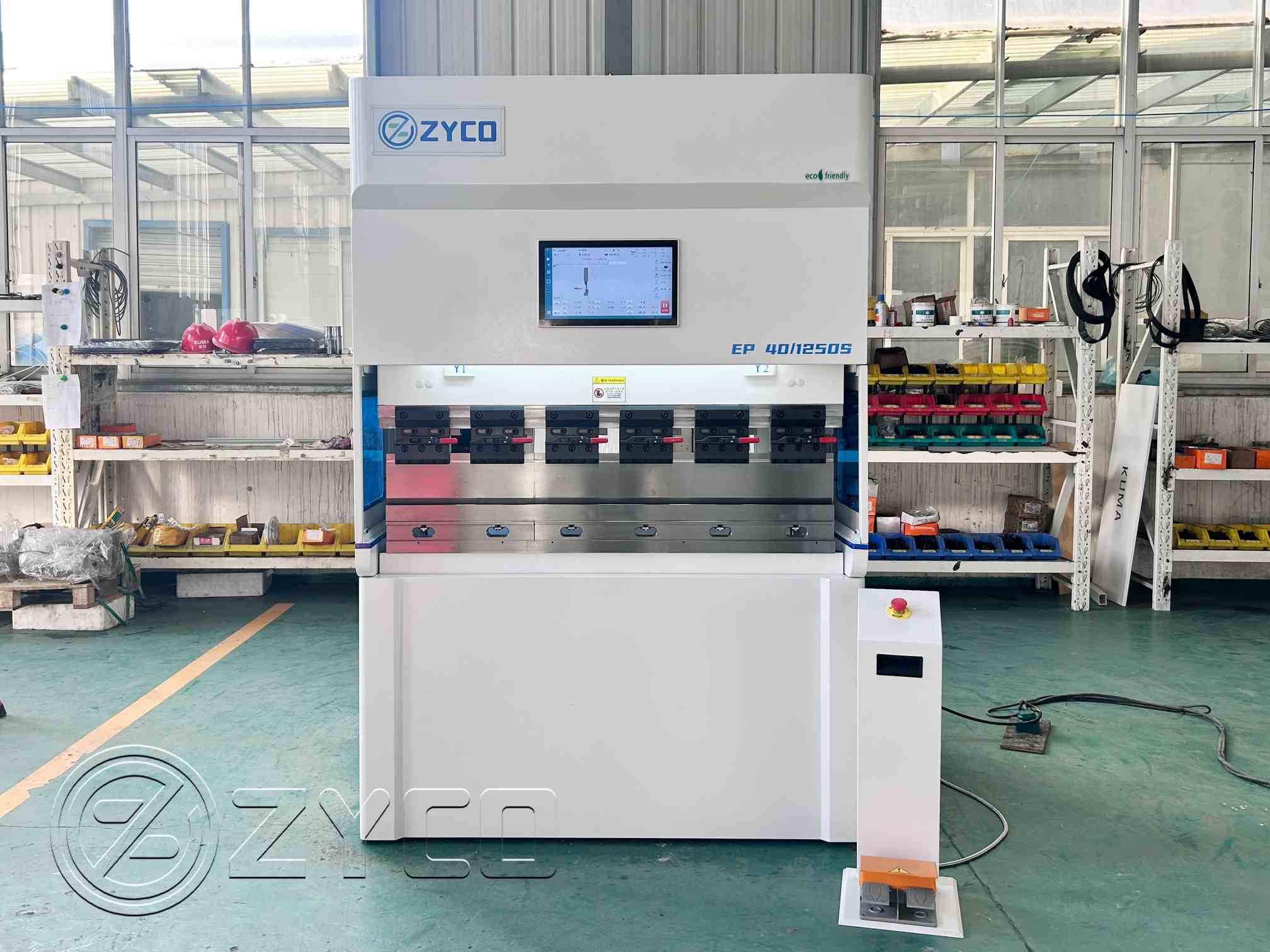
 

mini press brake machine 


We have contacted a sheet metal factory in Indonesia that previously used traditional hydraulic presses to process 1.2mm cold-rolled steel plates. After switching to a pure electric model, the workers reported that "there is no need to wait for the hydraulic oil to be in place to adjust the mold, and you can start working as soon as you turn on the machine." This is the most intuitive experience difference between the two models.


2. Judging from three core needs: Which one should your factory choose?

When choosing a model, you cannot just look at the parameters, you have to consider the actual work you do every day. We have compiled thousands of customer cases and found that 90% of factories can quickly lock in their direction based on the three requirements of "processing material thickness, precision requirements, and batch size."


1) Processing Material & Thickness: “The Go-To for Thick Materials” VS “The Speed ​​Specialist for Thin Materials”

This is the most critical criterion for judgment. The "power" of the electro-hydraulic servo bending machine mainly relies on the hydraulic system, which is more advantageous in processing thick plates and hard materials; the pure electric bending machine is more flexible in processing thin materials.

When to choose electro-hydraulic servo: If your factory frequently processes carbon steel or stainless steel thicker than 3mm, or needs to bend workpieces longer than 2.5 meters, such as steel structures and large equipment casings, an electro-hydraulic model is more suitable. A Brazilian customer who makes container parts previously used a purely electric machine to process 6mm-thick Q235 steel plates. They found that the slide pressure was insufficient, resulting in an angle deviation of more than 1°. After switching to an electro-hydraulic servo, they were able to process 500 pieces without any problems.

When to choose pure electric: If you primarily process thin materials (0.5-2mm), such as electronic component housings and medical device panels, the advantages of a pure electric press brake are obvious. A medical device factory in Canada uses a pure electric press brake to process 1mm thick 304 stainless steel sheets, achieving an angle repeatability accuracy of ±0.1° and reducing the scrap rate by 8% compared to the previous electro-hydraulic press brake.

Here is a small reminder: if your processing range is "sometimes thin and sometimes thick", for example, you occasionally need to make 5mm thick workpieces, and most of the time it is 1mm thin, it is recommended to give priority to electro-hydraulic servo - it is compatible with thick materials, and can ensure accuracy by adjusting parameters when dealing with thin materials, while pure electric models are easily "incapable" of dealing with thick materials.


2) Precision requirements: “Stable” vs. “Precision”

The two models have different accuracy performances, so choose the one based on your product standards:

Electro-hydraulic servo bending machine: has "stable" precision and is suitable for scenarios requiring "consistency" during batch processing. For example, when manufacturing an air conditioner outdoor unit bracket, a 0.5° bend angle difference between bends will not affect performance. An electro-hydraulic machine can continuously process 1,000 parts with an error within ±0.3°. Furthermore, the hydraulic system provides stable pressure feedback, preventing fatigue from occurring over extended periods of processing.

Pure electric bending machine: high precision, suitable for products with strict requirements on details. For example, battery casings for new energy vehicles feature numerous small, narrow bends. The servo motor in pure electric press brakes precisely controls the slide stroke, enabling a minimum bend of 5mm. This precision is difficult to achieve with electro-hydraulic press brakes due to the hysteresis of the hydraulic fluid.

One of our customers, who manufactures precision instrument casings, previously used an electro-hydraulic press brake, often requiring rework due to inadequate precision on small bends. Switching to a pure electric press reduced the rework rate from 12% to 2%, saving time and costs.


3) Cost of Use: “Low Initial Investment” vs. “Long-Term Cost Savings”

When choosing a model, you also need to consider the "long-term account", including energy consumption, maintenance, and subsequent accessories costs:

Cost Type

Electro-hydraulic Servo Press Brake

Pure Electric Press Brake

Energy Consumption

The machine requires a hydraulic pump to operate, consuming approximately 15-20 kWh of electricity per hour.

Energy consumption is only during operation, consuming approximately 8-12 kWh of electricity per hour.

Maintenance

Annual hydraulic oil replacement and filter cleaning are required, costing approximately $300 USD.

Without a hydraulic system, only regular lubrication of the guide rails is required, costing approximately $70 USD.

Post-Production Accessories

Hydraulic pumps and oil pipes may age, resulting in high accessory costs.

Servo motors have a long lifespan and require minimal replacement of accessories.


Let’s take a real example: A power plant in Vietnam has two electro-hydraulic servo bending machines, and the hydraulic oil and filter elements alone cost more than US$600 each year. Later, a pure electric model was added, and the guide rail grease was only replaced once in three years, saving a lot of maintenance costs. However, it should be noted that the initial purchase cost of a pure electric model is 15%-20% higher than that of an electro-hydraulic servo. If your factory's daily operation time is short (for example, less than four hours), the energy consumption difference is not significant, and the electro-hydraulic servo model is more cost-effective. If the machine is operated for more than eight hours per day, a pure electric model will save you money in the long run.


3. ZYCO three-step selection process: helping you avoid the "wrong choice minefield"

Many customers are afraid of making inaccurate judgments. We have summarized a simple "three-step selection method" to help you avoid detours:

Make a "processing list": List the main workpieces you have processed in the past three months, and mark the "material, thickness, maximum bending length, and precision requirements" of each workpiece, such as "1.5mm cold-rolled steel plate, bending length 1.2 meters, angle error ≤0.5°", so that you can intuitively see your core needs.

Calculate the "capacity account": If the daily processing volume exceeds 500 pieces and most of them are thin materials, pure electric is preferred (fast speed and energy saving); if the daily processing volume is less than 200 pieces and most of them are thick materials, electro-hydraulic servo is selected (low initial investment and strong load-bearing capacity).

Test machine verification: If you are not sure, be sure to bring a sample to test the machine. Our ZYCO is located in Nanjing. If you come to visit our factory, we will help customers use two models to process samples, compare the angle accuracy and processing speed, and then make recommendations based on the budget. Last year, 80% of our customers found the right model through trial machines.


Summary

The essence of choosing an electro-hydraulic servo or a pure electric bending machine is "to make the equipment adapt to your production, rather than to make the production accommodate the equipment." For example, for a factory that makes heavy machinery parts, choosing a pure electric model will only be a thankless task; for a factory that makes precision electronic parts, choosing an electro-hydraulic model will waste precision and increase rework.

If you have specific workpiece processing parameters, or want to know the actual processing speed comparison of the two models, you can leave a message in the comment area. Our technical team will provide a free "Selection Evaluation Form" based on your situation to help you calculate the cost and find the right model. After all, buying equipment is a long-term investment, and choosing the right one ensures every penny is spent effectively.

ZYCO Engineer’s Perspective Common Press Brake Issues, Processing Defects, Technical Challenges, and Solutions

In the sheet metal fabrication industry, bending machines are core equipment in almost every factory. Whether it's sheet metal bending or pipe forming, the bending process has a direct impact on product accuracy, appearance, and assembly quality. However, in real production environments, many manufacturers encounter recurring problems that increase rework rates, reduce efficiency, and affect delivery schedules.
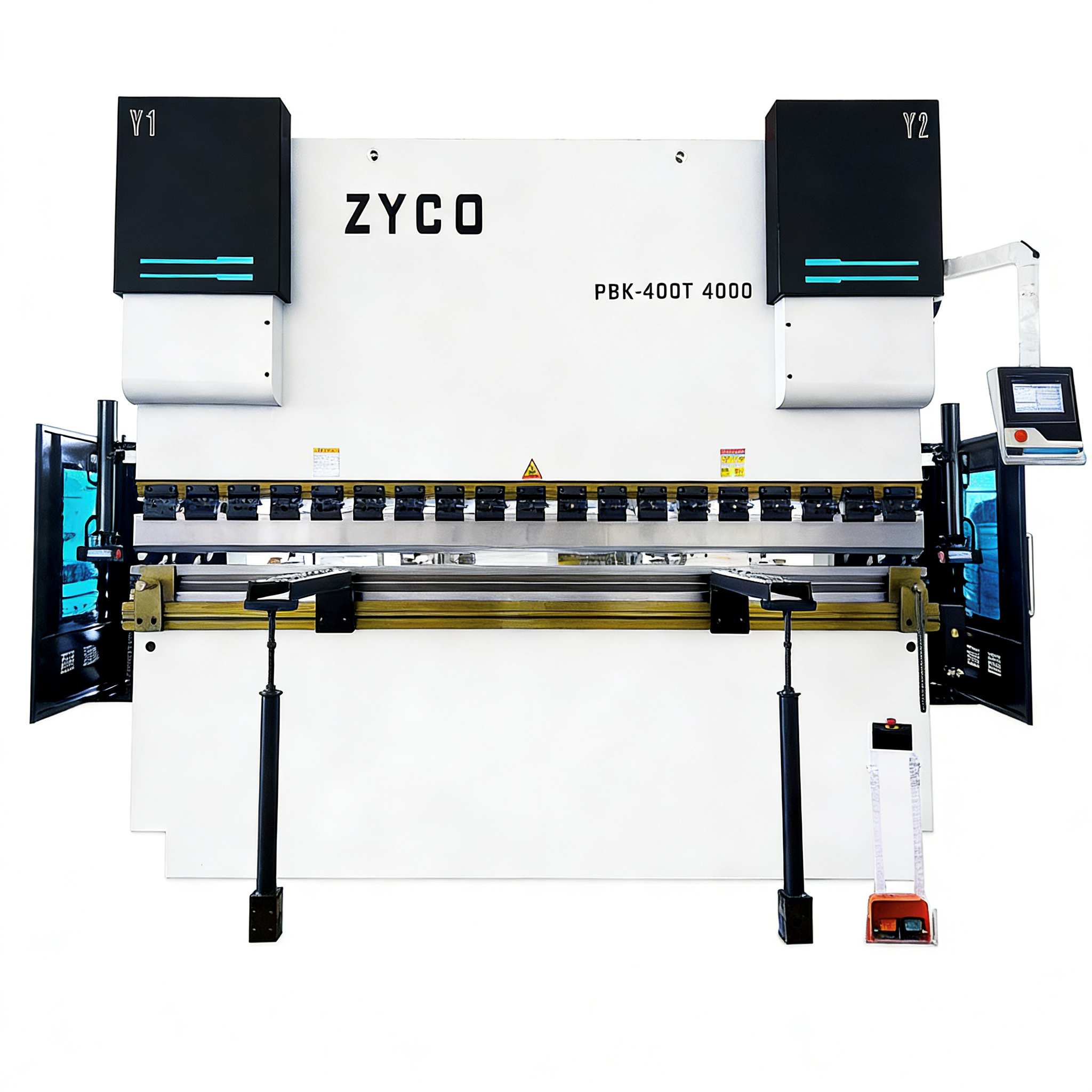
40-600t CNC bending machine

This article provides a structured overview of the most common problems associated with bending machines, helping manufacturers better understand the root causes and identify practical optimization approaches.


1. What Are the Disadvantages of Bending Machines?

Although modern bending machines have made significant progress in automation and accuracy, some inherent limitations remain in practical use:

· High sensitivity to material differences
Different materials such as stainless steel, aluminum, and galvanized steel exhibit varying levels of springback, requiring frequent parameter adjustments.

· Strong reliance on operator experience
Even with CNC bending machines, improper tooling selection or incorrect process settings can lead to defective parts.

· Surface damage on thin sheets
Indentation and scratching are common issues, especially in decorative stainless steel applications.

These disadvantages are not equipment defects but are largely related to the physical characteristics of the bending process itself.


2. Common Defects in Sheet Metal Bending

In daily production, the following bending defects are frequently encountered:

1. Inconsistent bending angles

Angle variations within the same batch are often caused by:

· Uneven material thickness

· Incorrect springback compensation

· Improper die opening selection

2. Surface indentation or scratching

This issue is particularly critical in stainless steel and decorative panels, where surface quality is highly visible.

3. Wrinkling and deformation

Thin sheets may wrinkle or distort when the bending radius is too small or the bending force is excessive.


3. Common Mistakes in Pipe and Tube Bending

Compared with sheet metal bending, tube bending requires stricter process control. Typical problems include:

· Wall collapse on the inner radius

· Oval deformation of the tube cross-section

· Inaccurate bending position

A major technical challenge in tube bending is maintaining structural integrity while achieving accurate angles and consistent shapes.


4. Do CNC Bending Machines Also Have Problems?

Many users assume that CNC bending machines eliminate errors once the program is set. In reality, common issues still occur:

· Mismatch between program parameters and actual material properties

· Tool wear that is not recalibrated in time

· Accuracy drift after long-term machine operation

Without regular calibration and process optimization, CNC bending machines can also experience quality fluctuations.


5. From a Process Perspective: Two Key Limitations of Bending

Fundamentally, bending processes face two unavoidable challenges:

1. Springback is inevitable

All metals exhibit elastic recovery after bending. It is difficult to completely eliminate springback through bending alone.

2. Limited control over bending radius

When strict internal radius requirements are needed, single-step bending often cannot achieve the desired result.


6. How to Effectively Reduce Bending Problems?

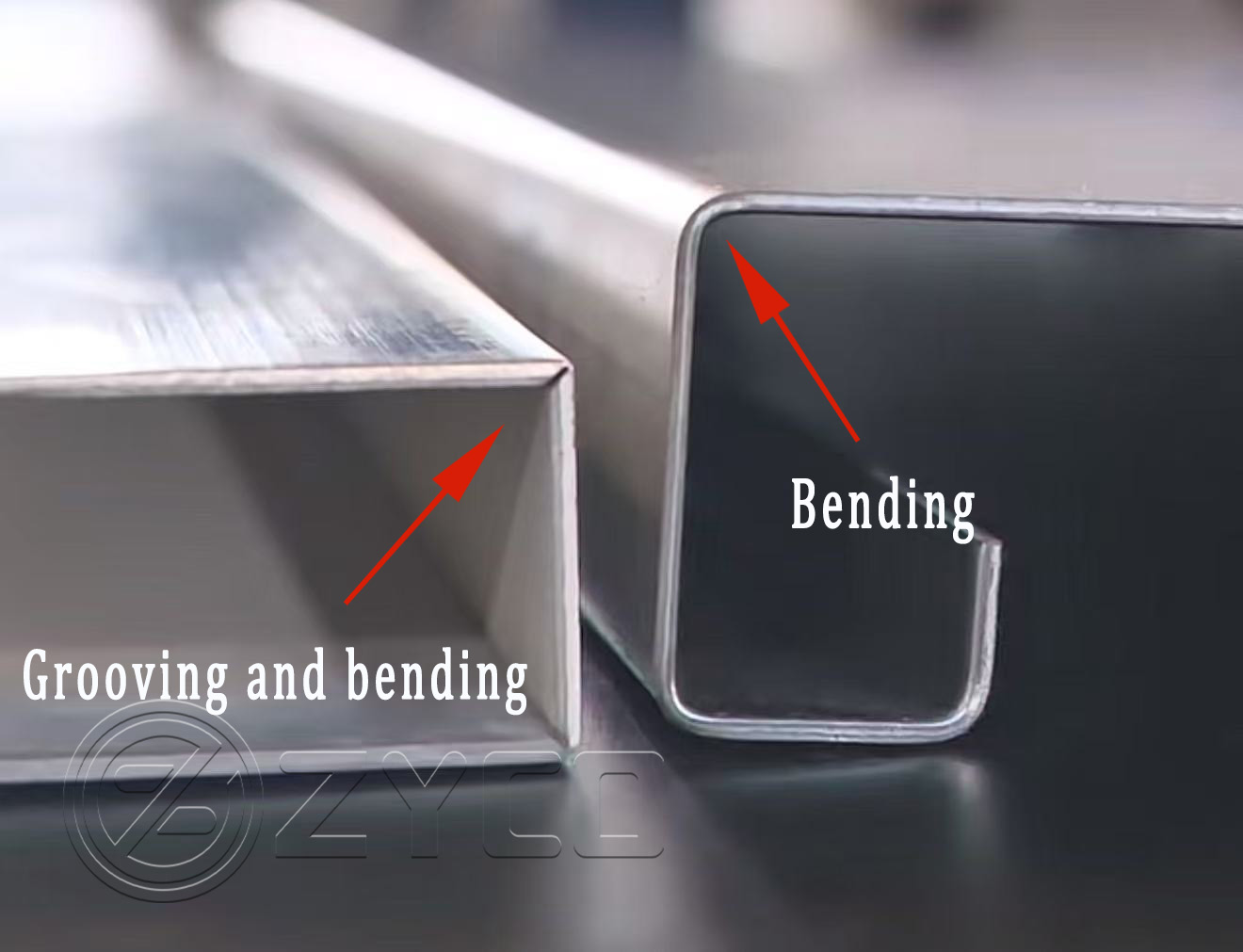
More and more high-end sheet metal manufacturers are adopting a V grooving + bending process combination.
4 axis cnc press brake

By performing V-groove cutting before bending, manufacturers can:

· Significantly reduce springback

· Achieve sharper, more precise bend lines

· Lower bending force and minimize surface indentation

· Improve consistency in batch production

In applications such as stainless steel decorative panels, door frames, and elevator panels, V grooving has become a key method for improving bending quality.


Summary

Bending machines themselves are rarely the root cause of production issues. Product quality is ultimately determined by the interaction between equipment, process design, and material selection. A clear understanding of common bending problems and limitations allows manufacturers to optimize their production workflows more effectively.

For sheet metal factories that prioritize appearance quality and batch consistency, a systematic approach to process optimization—rather than simply upgrading equipment—often delivers the most reliable results.

ZYCO Guide What’s the Difference Between NC and CNC Press Brakes?

When choosing a press brake for sheet metal fabrication, many manufacturers face the same question: Should I choose an NC press brake or a CNC press brake?

Although both machines perform the same basic function—bending sheet metal—their control systems, operating methods, and production capabilities are quite different. Understanding these differences helps factories make smarter investment decisions.

This article explains the key distinctions between NC and CNC press brakes, while also covering related concepts such as DNC control and common press brake types.


What is an NC Press Brake?


An NC (Numerical Control) press brake uses a basic controller to manage limited machine movements, usually focusing on:

· Backgauge moves back and forth

· Slider up and down travel


Most NC press brakes rely heavily on manual adjustment for:

· Fine adjustment of bending angle

· Mold setting

· Process switching


Key characteristics of NC press brakes:

· Simple control interface

· Lower initial cost

· Suitable for basic bending tasks

· Requires experienced operators

· Limited programmability

NC machines are commonly used in small workshops or factories producing simple parts with low variation.


What is a CNC Press Brake?


A CNC (Computer Numerical Control) press brake offers full-axis control through an advanced controller.

It can automatically manage:

· Slider depth control

· Multi-axis back gauge positioning

· Auto Crowning

· Bending sequence planning


Modern CNC press brakes also support:

· Graphic programming

· Offline programming

· Automatic angle correction

· Mold Database Management


Key advantages of CNC press brakes:

· Higher precision

· Good batch consistency

· Faster setup

· Capable of handling complex parts

· Ideal for batch and mixed production

CNC press brakes are widely used in professional sheet metal factories where accuracy, efficiency, and flexibility are critical.


What Are the Two Main Types of Press Brakes?


From a drive-system perspective, press brakes are mainly divided into:

Hydraulic Press Brakes

· High tonnage capacity

· Stable performance

· Suitable for thick plates

· Widely used in heavy-duty applications

Electric (Servo) Press Brakes

· Energy-efficient

· Faster response

· Cleaner operation

· Excellent precision for thin and medium sheets


Both hydraulic and electric press brakes are available in NC and CNC configurations.


CNC vs NC vs DNC: What’s the Difference?


You may also encounter the term DNC (Distributed Numerical Control).

Here’s a simple comparison:

· NC: Basic numerical control, limited automation

· CNC: Full computer control with multi-axis capability and advanced programming

· DNC: A networked system that connects multiple CNC machines to a central computer for program management

In modern factories, CNC press brakes combined with DNC systems enable centralized production control and higher automation levels.


Which One Is Right for Your Factory?


The choice between NC and CNC press brakes depends on your production needs:

Choose an NC press brake if:

· Parts are simple

· Production volume is low

· Budget is limited

· Skilled operators are available


Choose a CNC press brake if:

· Products are complex

· Orders vary frequently

· Precision is critical

· You aim to reduce labor dependence

· Batch consistency matters


For architectural metalwork, stainless steel decoration, door frames, cabinets, and elevator panels, CNC press brakes are typically the preferred solution.


Summary


While both NC and CNC press brakes can perform bending operations, their capabilities differ significantly. NC machines suit basic tasks, while CNC press brakes provide the precision, flexibility, and efficiency required in modern sheet metal production.

Understanding these differences allows manufacturers to choose equipment that aligns with their product complexity, production volume, and quality expectations—ensuring long-term competitiveness in today’s demanding market.

ZYCO Insight Common Issues with V Grooving Machines from Processing Stability to Safe Operation

As V grooving technology becomes more widely used in sheet metal fabrication, more and more factories are introducing V grooving machines to improve bending quality. However, during actual production, many users encounter similar challenges—unstable grooving results, fast tool wear, or overlooked safety risks.

This article will systematically review common problems, safety precautions, and key influencing factors of grooving machines in actual production, helping factories to use grooving equipment more efficiently and safely.
Orichalcum plate grooving machine


1. What are some Common Processing Problems with Grooving Machines?

1 Inconsistent Grooving Depth

This is one of the most frequently reported issues, usually caused by:

· Insufficient sheet clamping, leading to slight movement during machining

· Worn cutting tools that are not replaced in time

· Program parameters that do not match the actual sheet thickness

Uneven grooving depth directly affects bending angle consistency in the next process.

2 Rough Groove Bottom Affecting Bending Quality

If the cutting angle or feed speed is not properly set, the groove surface may show:

· Tool marks or tearing

· Burrs along the groove

· Local overheating or discoloration, especially on stainless steel

While these issues may not reduce structural strength, they can significantly impact the final appearance.

3 Scratches on the Sheet Surface

This problem is often related to:

· Poor cleaning of the worktable

· Metal chips trapped under the sheet

· Improper adjustment of the clamping system

For decorative stainless steel panels, such surface defects often lead directly to rework.


2Key Factors That Affect Grooving Quality

1 Proper Tool Selection

Different materials and thicknesses require different tool angles and tool materials. For example:

· Stainless steel benefits from tools with high wear resistance

· Aluminum requires careful tool selection to avoid surface tearing

"General purpose cutting tool" is not the same as "suitable cutting tool".

2 Control of Grooving Depth

Deeper grooves are not always better.
If the groove is too shallow, bending resistance remains high; if it is too deep, material strength may be compromised.

The ideal grooving depth balances bending quality and structural integrity.

3 Clamping and Positioning Stability

Whether using a horizontal or vertical V grooving machine, stable clamping is essential.
Even minor movement can be amplified when machining long sheets or multiple grooves.


3What are the Safety Hazards of Using a Grooving Machine?

1 Insufficient Protection Around the Cutting Area

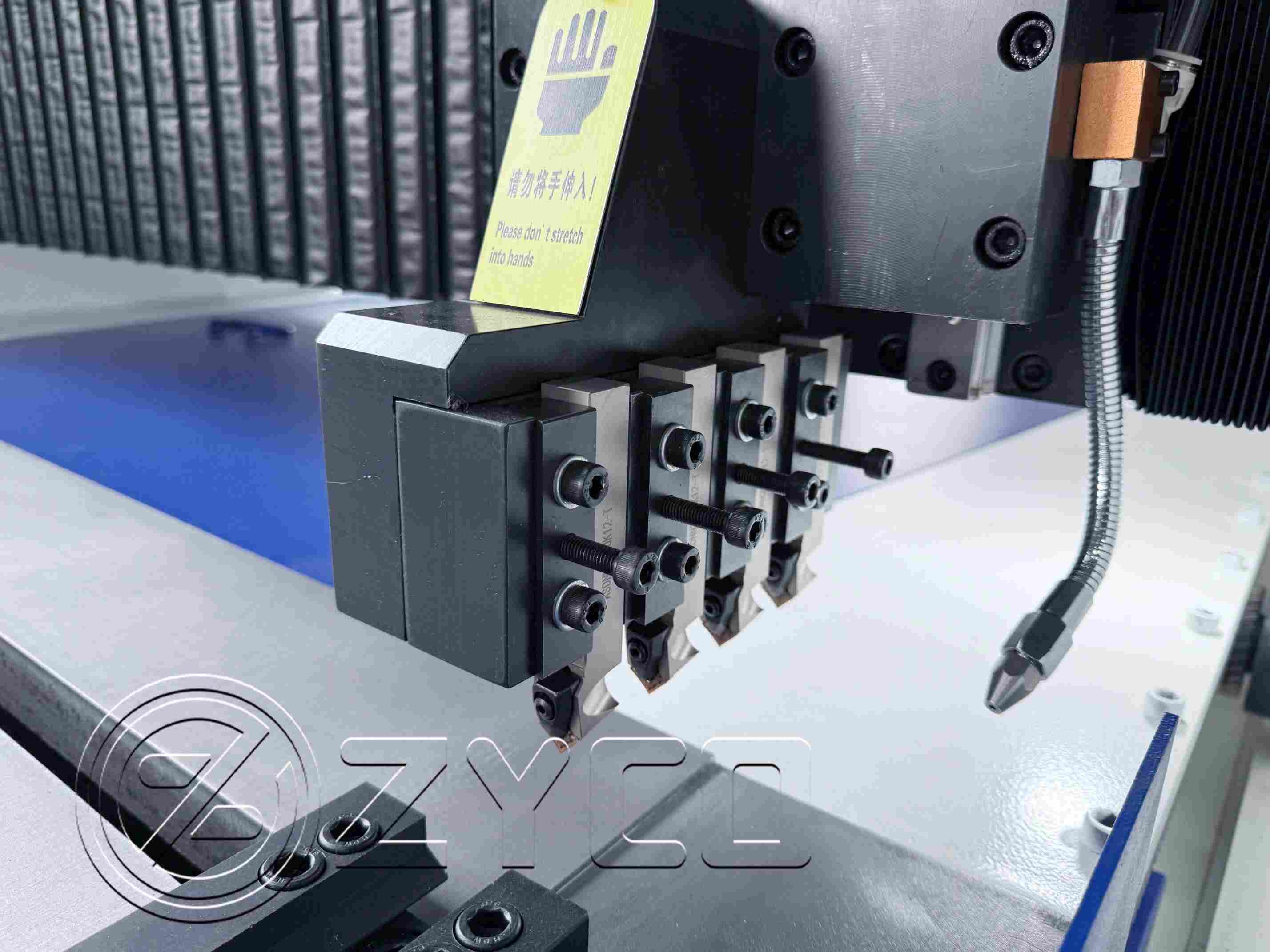
The cutting tool operates at high speed, and accidental contact can cause serious injury.
Protective covers and limit switches must remain in place and functional at all times.

metal grooving machine 

2 Improper Sheet Loading and Unloading

Especially with large or long sheets:

· Forcing single-person loading

· Feeding sheets at an angle into the working area

These practices increase the risk of hand or impact injuries.

3 Ignoring Abnormal Machine Signals

Unusual noise, vibration, or temperature changes are often early signs of mechanical issues.
Continuing operation under such conditions increases both equipment damage and safety risk.


4Basic Safety Rules for V Grooving Machines

While safety standards vary between factories, the following rules are widely accepted:

· Check tools, programs, and clamping before operation

· Never place hands in the machining area while the machine is running

· Fully power off the machine before tool changes or maintenance

· Clean the worktable and guide rails regularly

· Ensure new operators are properly trained before independent operation

· Never exceed the machine’s designed capacity or parameters

· Stop the machine immediately if abnormal conditions occur

Safety is not a checklist—it is a long-term habit.


5How V Grooving Differs from Other Machining Methods

V grooving is sometimes compared with turning or direct one-step bending.
The key difference is that:

· V grooving is a preparatory process designed specifically to improve bending results

· Its purpose is not final shaping, but rather to: Reduce bending force, Improve angle accuracy, Enhance surface appearance

For this reason, the real value of a V grooving machine lies in consistency, stability, and visual quality, not just processing speed.


Summary

A V grooving machine is not complicated equipment, but using it well requires a solid understanding of tooling, process control, and safety awareness. In practice, the most efficient factories are not those with the most machines, but those with the fewest problems and the most stable processes.

When attention is paid to grooving depth, tool selection, and operational safety, a V grooving machine becomes a true quality-enhancing asset rather than an additional management burden.

If you are considering optimizing your current grooving process or evaluating whether V grooving is suitable for your products, analyzing your real production needs will always be more valuable than focusing on machine specifications alone.

ZYCO Professional Guide——What’s a V Grooving Machine?

In modern sheet metal fabrication, achieving clean bends and sharp edges is no longer just a technical requirement—it has become a key factor in product quality and visual appeal. From architectural panels and elevator cladding to cabinets, door frames, and stainless steel decorative products, manufacturers are constantly looking for ways to improve bending results while maintaining consistency and efficiency. This is where the V grooving machine plays an important role.


Understanding the V Grooving Machine


V-Grooving machine is a sheet metal processing equipment mainly used for pre-processing metal sheets (such as carbon steel sheets, stainless steel sheets, and aluminum sheets). By cutting V-grooves, the thickness of the sheet is changed, thereby achieving precision bending with extremely small arc radii, meeting the high requirements for product appearance and precision in high-end decoration, electronic products, automobile manufacturing and other fields. It uses a CNC system to control the cutting tools to precisely cut along a set path, allowing for mass production and improved efficiency.


v grooving sheet metal 


Why is V-groove machining so important?


Sharper Edges and Cleaner Bends

After V grooving, the remaining material thickness at the bend line is minimal. This allows the sheet to fold into a crisp, well-defined angle that is visually closer to a true 90°. For products where appearance matters, such as decorative panels or door frames, this difference is immediately noticeable.

Improved Bending Accuracy

Because less force is required during bending, springback is greatly reduced. This makes the bending angle more predictable and consistent, especially when producing parts in large batches.

Better Performance with Thin Sheets

Thin materials are more prone to deformation, wrinkling, and surface marks during bending. V grooving minimizes these risks by lowering stress at the bend, helping maintain a smooth surface finish even on thin stainless steel or aluminum sheets.


Key Applications of V Grooving Machines


V grooving machines are widely used in industries where precision, appearance, and repeatability are critical, including:

Architectural metal panels and facades

Elevator cabins and door panels

Stainless steel furniture and cabinets

Metal door frames and trims

Decorative cladding and interior design elements

In these applications, V grooving is often the difference between a standard industrial finish and a high-end product.


How a V Grooving Machine Works


The basic process involves two steps:

1.Positioning the Sheet
The metal sheet is securely placed on the working table or clamped in position, depending on the machine design.

2.Grooving Along the Bend Line
A cutting tool moves along programmed paths to create precise V-shaped grooves at selected locations. The depth and angle of the groove can be adjusted based on material thickness and bending requirements.


v-shaped slotting machine 


Difference between Horizontal and Vertical Grooving Machines


The main differences between horizontal and vertical grooving machines lie in the spindle direction, the workpiece being processed, structural features, and ease of operation: vertical spindles are vertical, have a compact structure, occupy little space, and are suitable for fine, small to medium-sized workpieces (such as sheet metal), are energy-saving, and are easy to load and unload; horizontal spindles are horizontal, have a rigid gantry structure, are suitable for large and heavy workpieces (such as machine tool beds), have good chip removal but high energy consumption, and are complex to install. The choice should be made based on a comprehensive consideration of workpiece size, precision requirements, workshop space, and budget.


Horizontal V-Grooving Machine

sheet grooving machine 


Structure:The spindle is horizontal (usually gantry type), which is highly rigid and has a large worktable area.

auto v grooving machine 


Advantages:

1High load-bearing capacity: suitable for processing large and heavy workpieces.

2High processing capability: Multiple surfaces can be processed in one clamping (optional).

3Good chip removal: Facilitates chip removal and results in an ideal machining process.

Disadvantages:

1High energy consumption: The gantry motion has a large inertia, resulting in high energy consumption.

2Installation is complex: it requires a concrete foundation and occupies a large area.

3Low safety: The gantry and the tool holder move in the same direction at high speed, which poses a safety hazard.

4Relatively low precision: The table surface is prone to wear and tear, resulting in lower precision compared to vertical tables.


Vertical V-Grooving Machine

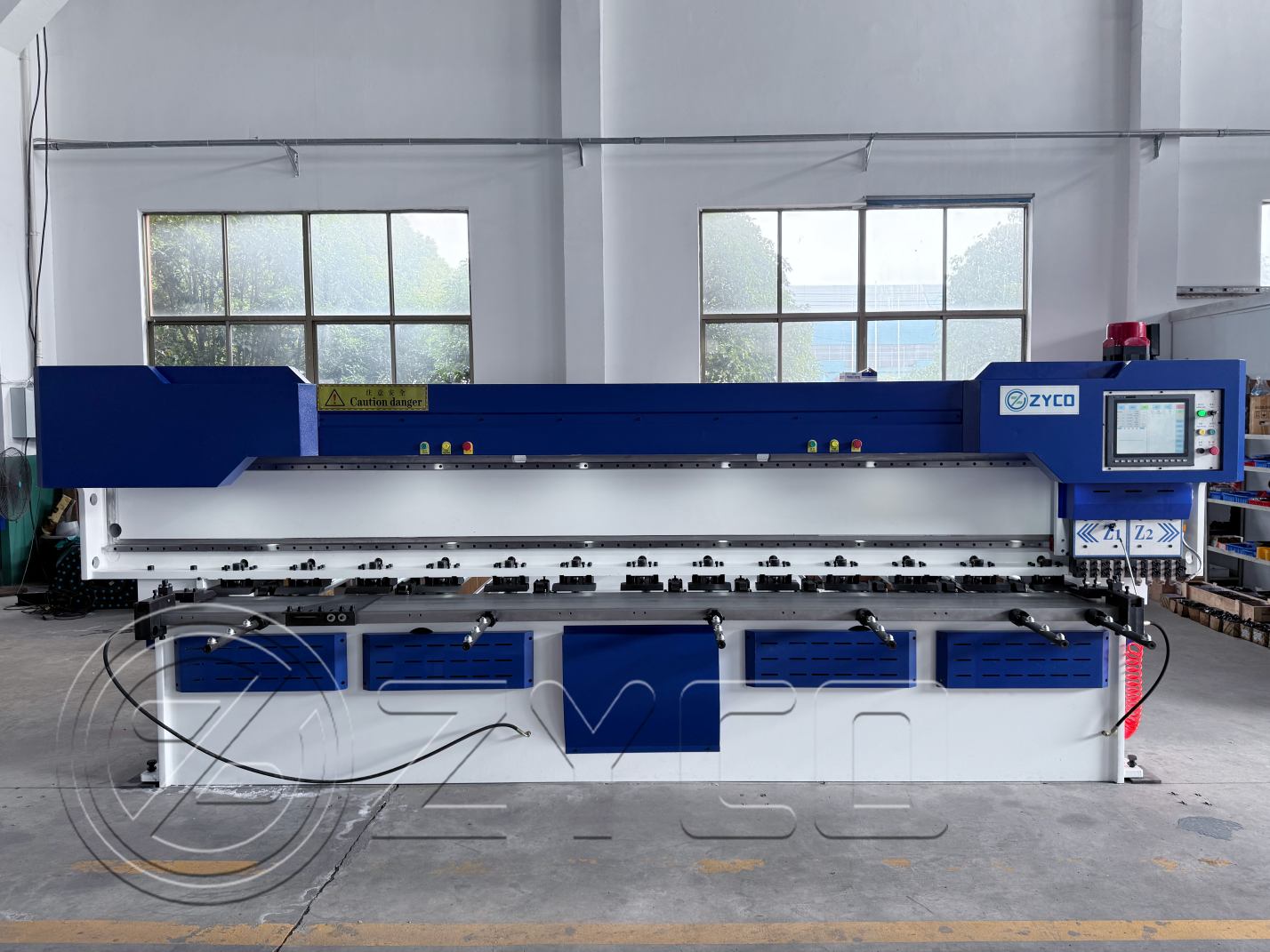
Vertical grooving machine 


Structure:The main shaft is vertical, the structure is compact, the overall height is relatively high, and the center of gravity is stable.

metal grooving machine 


Advantages:

1High precision: small error between the tool tip and the worktable, resulting in good surface quality.

2Low energy consumption: The tool holder is lightweight, and its energy consumption is only about 1/10 of that of a horizontal tool.

3Easy to operate: easy to load and unload workpieces, good viewing angle, and high safety.

4Small footprint: Simple installation, only requires a level ground.

5Applicable workpieces: Small to medium-sized, high-precision workpieces, such as sheet metal parts before bending.

Disadvantages:Insufficient support for large workpieces limits the processing range.


There is no absolute superiority or inferiority among different structures; the key lies in whether they match the actual product and production mode.


What to Consider When Choosing a V Grooving Machine


Before investing in a V grooving machine, manufacturers should evaluate:

Commonly processed material types and thicknesses

Complexity of product dimensions and groove location

Requirements for bending appearance and precision

Order batch size and variety change frequency

Workshop space and overall layout

Only equipment that truly meets production needs can deliver long-term value in terms of quality and efficiency.


Summary


A V grooving machine is more than just an additional step in sheet metal processing—it is a tool that directly enhances bending quality, visual appearance, and production consistency. For manufacturers aiming to produce high-end metal products with sharp lines and stable geometry, V grooving has become an essential process rather than an optional upgrade.

Understanding how V grooving works and where it adds value is the first step toward improving both product quality and manufacturing efficiency.

If you've browsed this far and are looking to buy a grooving machine, you can contact our professional ZYCO team. We will recommend the most suitable model for you and provide you with the best quality and price.