The Revolution of Color Sorters in Modern Industry

Color sorters have transformed the way we process and sort materials in industries like agriculture, food, and recycling. Using advanced optical technology, these machines ensure precision and efficiency that manual sorting simply cannot match.


What is a Color Sorter?


A color sorter is an intelligent machine that identifies and removes impurities based on color differences. Equipped with high-resolution cameras and powerful ejectors, it can separate defective materials from the good ones in seconds.


Key Benefits


1. High Precision: Detects even the smallest color variations for accurate sorting.

2. Efficiency: Processes tons of materials per hour, reducing labor costs.

3. Versatility: Works with rice, grains, nuts, plastics, and even minerals.

4. Cost-Effective: Minimizes waste and improves the quality of the final product.


Applications


Food Industry: Sorting rice, beans, nuts, and tea leaves.

Recycling: Separating plastics and other reusable materials.

Agriculture: Enhancing seed purity and crop quality.


As technology evolves, color sorters are becoming more intelligent, incorporating AI for enhanced performance. These machines are not just tools but essential partners in achieving higher productivity and quality standards.


Investing in a color sorter is investing in the future of your industry.

The Role of Air Filters in Color Sorters

Color sorters are widely used in various fields such as agriculture, food processing, and mineral sorting. As a crucial component of efficient sorting systems, air filters play a vital role in color sorters. This article explores the function and significance of air filters in color sorters.


Basic Principle of Air Filters

The primary function of air filters is to remove particles and impurities from the air to ensure its purity. They capture suspended fine particles in the air through physical or chemical means, preventing these particles from contaminating the equipment and products.


Role in Color Sorters 

1. Enhancing Sorting Accuracy

   Color sorters rely on optical sensors and high-resolution cameras to detect and separate materials based on color and quality. If the air contains a lot of dust and particles, it can interfere with the sensors, leading to a decrease in sorting accuracy. Air filters effectively remove these impurities, ensuring that the sensors can accurately detect the color and quality of the materials, thereby improving sorting precision.


2. Protecting Equipment

   Dust and impurities not only affect the sorting accuracy of color sorters but also damage the equipment itself. Long-term dust accumulation can lead to increased wear and tear on equipment components, reducing their lifespan. Air filters prevent dust from entering the equipment, protecting it from wear and damage, thereby extending its operational life.


3. Improving Working Environment

   During the material sorting process, color sorters generate a significant amount of dust. If this dust is not effectively filtered, it can pollute the working environment and affect the health of operators. Air filters can effectively reduce dust emissions, providing a cleaner and safer working environment.


4. Reducing Maintenance Costs

   Unfiltered air makes the filter nets and sensors of color sorters more prone to clogging, requiring frequent cleaning and replacement. This not only increases maintenance costs but also leads to equipment downtime, affecting production efficiency. Installing efficient air filters can significantly reduce the frequency and cost of maintenance, improving production efficiency.


Choosing the Right Air Filter

When selecting an air filter for a color sorter, consider the following factors: 

1. Filtration Efficiency

   High-efficiency air filters can capture smaller particles, enhancing air purification. Generally, the higher the filtration efficiency, the better the air quality.

2. Ease of Maintenance

   Filters need regular cleaning or replacement. Choosing filters that are easy to maintain can reduce downtime and maintenance costs. 

3. Service Life

   Long-lasting filters reduce the frequency of replacements, lowering long-term usage costs. 

4. Adaptability

   Filters should be suitable for the operating environment and conditions of the color sorter, capable of working stably in harsh environments with high dust or humidity.


Conclusion 

Air filters play an indispensable role in color sorters. They not only enhance sorting accuracy, protect the equipment, and improve the working environment but also reduce maintenance costs. Choosing the right air filter is crucial for enhancing the performance and lifespan of color sorters. Therefore, it is essential to pay attention to the role of air filters in the operation and maintenance of color sorters to ensure their normal operation.


By continuously optimizing the air filtration system, we can further enhance the performance of color sorters, meet the ever-changing market demands, and provide customers with higher quality products and services.

Understanding the Working Principle of a Color Sorter Machine

Color sorter machines, also known as optical sorting machines, are essential tools in industries like agriculture, food processing, and recycling. They efficiently separate unwanted materials or impurities from desired products based on color differences. Here’s a concise explanation of how they work.


1. Feeding the Material


The process begins with feeding the raw material onto the machine’s vibratory feeder. This component spreads the material evenly into a single layer for precise sorting.


2. Detection System


As the material passes through, it is illuminated by high-intensity LED lights. The machine’s advanced cameras or sensors capture detailed images of each particle in real-time. These sensors can detect differences in color, shape, or even texture, depending on the machine’s configuration.


3. Data Analysis


The captured images are processed by the machine’s software. The system uses predefined criteria to classify each item as “acceptable” or “defective.” For instance, in a rice color sorter, discolored grains, stones, or other impurities are identified.


4. Ejection Mechanism


Once the defective items are identified, pneumatic ejectors are activated. These high-speed air nozzles precisely blow out the unwanted materials, leaving only the desired product to continue to the output bin.


5. Sorted Output


Finally, the sorted materials are collected in separate bins—one for accepted products and another for rejected impurities.


Why Use a Color Sorter?


Color sorters improve product quality, reduce manual labor, and increase efficiency. From sorting grains and nuts to plastics and minerals, they have a wide range of applications.


Modern machines also feature AI-powered software, which allows for more precise sorting and adaptability to various products.


Conclusion

Color sorter machines are a testament to how technology can revolutionize traditional industries. Their ability to deliver consistent, high-quality sorting makes them invaluable in today’s competitive market.


A Comprehensive Guide To GT-C94 Protective Clothing Against Molten Metal

A Comprehensive Guide To

GT-C94 Protective Clothing Against Molten Metal


In metallurgy, casting, welding, machining, and other industries involving high-temperature molten metal operations, personnel face a very high risk of being burned by splashing high-temperature metal liquids. Therefore, protective clothing and textile materials must undergo strict high-temperature molten metal droplet impact performance testing to ensure that they can still provide effective protection for workers under extreme conditions.

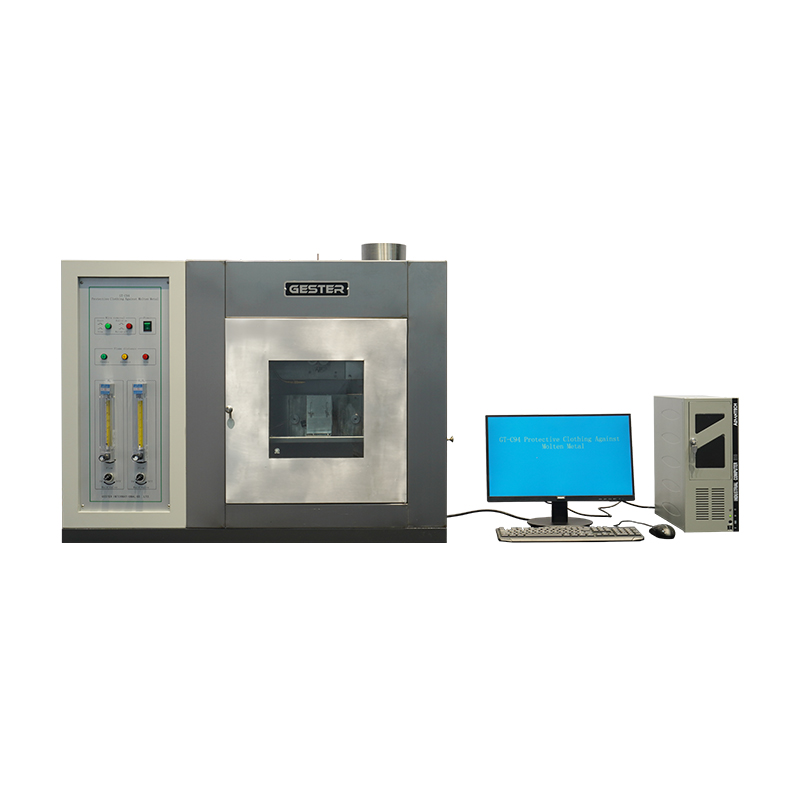
The GT-C94 Protective Clothing Against Molten Metal Tester is a professional device developed precisely for this need. It can simulate the real impact process when high-temperature molten metal droplets contact protective materials, thereby accurately evaluating their thermal protection performance.

I. Application of the Protective Clothing Molten Metal

When working in a high-temperature metal environment, the temperature of molten metal usually reaches above 1000°C. Once it splashes onto the surface of the clothing, even a very small droplet of metal may cause the clothing to be penetrated instantly and burn the skin. Therefore, both international and domestic organizations have formulated strict standards for protective clothing molten metal droplet testing, such as AQ 6103-2007, GB/T 17599, GB/T 8965.2-2009, ISO 9150, and EN 348.

The functions of the GT-C94 Protective Clothing Molten Metal are:

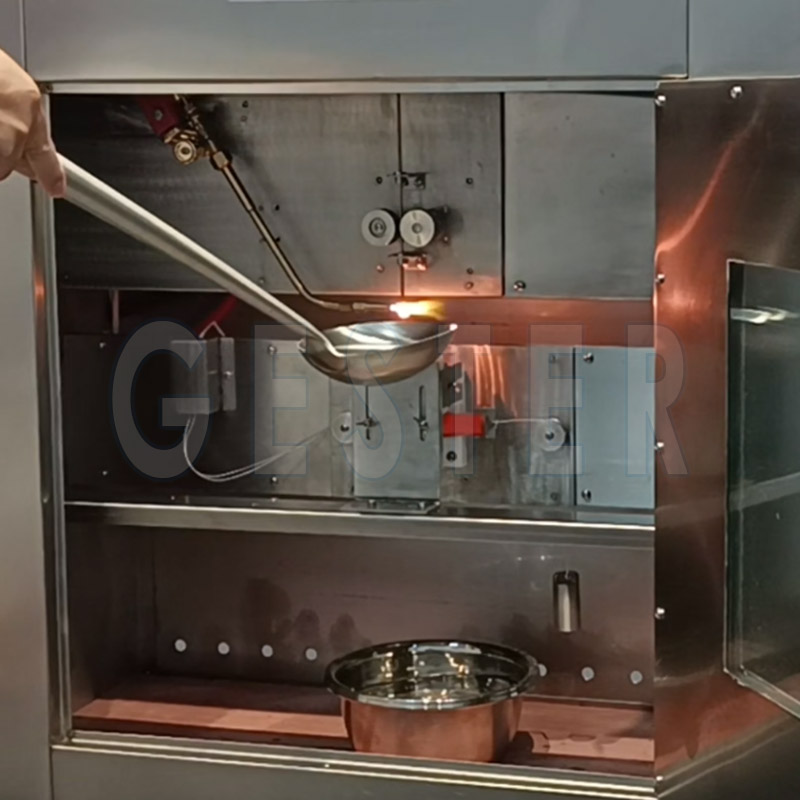
Generate high-temperature molten metal droplets through a controllable metal droplet system

Simulate droplets impacting the material surface with fixed frequency, weight, and drop location

Monitor the temperature rise on the back of the material

Evaluate the high-temperature protection level of the material under molten metal droplet impact

Its test results determine the safety rating of protective clothing and are an indispensable key link in the labor protection system of high-temperature industries.
II. Compliance with Multiple National and International Standards

The GT-C94 Splashes Impct Resistance Tester is developed and manufactured strictly in accordance with the following standards:

AQ 6103-2007
GB/T 17599
GB/T 8965.2-2009
ISO 9150
EN 348

These standards specify requirements for molten metal droplet generation method, droplet quantity, droplet weight, temperature measurement method, back temperature rise limitation, etc.

Through standardized structural design and program-controlled operation, the Splashes Impct Resistance Tester ensures consistency and high repeatability of the testing process, making it widely applicable to protective clothing manufacturers, third-party testing agencies, research institutions, and other units.

III. Generate Metal Drop Device

One of the core components of the GT-C94 molten metal splash tester is the molten metal droplet generation device. This system can steadily and continuously produce molten metal droplets that meet the requirements of the standards.

  • Oxyacetylene torch melting metal wire (stick) one end, welding tip caliber (1.2±0.1) mm;
  • The movement of metal wire (stick) controlled by wheel system motor speed regulation, motor wire feed rate (10±1) g/min;
  • Welding nozzle center vertical with wire (stick), the distance between welding tip and wire (stick) adjustable, usually it’s 12 mm;
  • Droplet weight (0.50±0.05) g;
  • Generate droplet frequency 20 drops/(min±3s);
  • Start distance from wire to welding burner;
  • Length of welding torch deep blue flame core;


IV. Droplet Guide Mechanism

  • Funnel guide: the angle between guidance axis and vertical adjustable, caliber can through diameter (8±0.2) mm metal strip, add lid on guide slot for it can cover when it not using.
  • Holder: bearing and funnel guide, its three-dimensional adjustable.

V. Temperature Sensing System

  • Sensor support: refractory insulation material, pyroconductivity is (0.125±0.015) W/(m·K), specific heat 1.15 J/(g·K), groove dimension of surface (13.5×11) mm while 40°C.
  • Temperature sensing system: armoured platinum resistor, coating high-temperature adhesive, resistance 100 Ω, clitheriform, dimension (12.5×10) mm, thermal response time ≤0.5 s while 0°C.
  • Record display: can display warming and its corresponding droplet no., time, frequency value on sample back; Guide slot test temperature >250°C, temperature rise on sample back ≥40 K will alert.
  • Precision: resolution ratio ≤±0.5 K, deviation between temperature display and alert function test ≤±0.4 K.
  • Structure and install: temperature sensor can contact by groove center nearby two hole’s guide line, four sides bolt can fix sensor support on sample frame.

VI. Sample Frame

  • Sample holder support can guarantee sample cling to sensor;
  • Put (175±5) g pre-tension on sample;
  • The location of sample on vertical and horizontal direction adjustable.


VII. Significance of GT-C94 Molten Metal Splash Tester

Helps enterprises evaluate whether protective clothing meets standards
Supports third-party agencies in conducting certification testing
Reduces occupational injury risks in metallurgy, casting, and other industries

With the continuous improvement of industrial production safety requirements, the testing demand for molten metal protective clothing will continue to grow, making the importance of GT-C94 molten metal splash tester increasingly prominent.

The GT-C94 Protective Clothing Against Molten Metal provides a professional, controllable, and highly reliable solution for high-temperature molten metal droplet protection testing through its precise metal droplet generation system, sensitive temperature monitoring device, scientific sample clamping structure, and intelligent software platform.

Agri Drones Are Making Crop Protection Easier for Diverse Tropical Crops


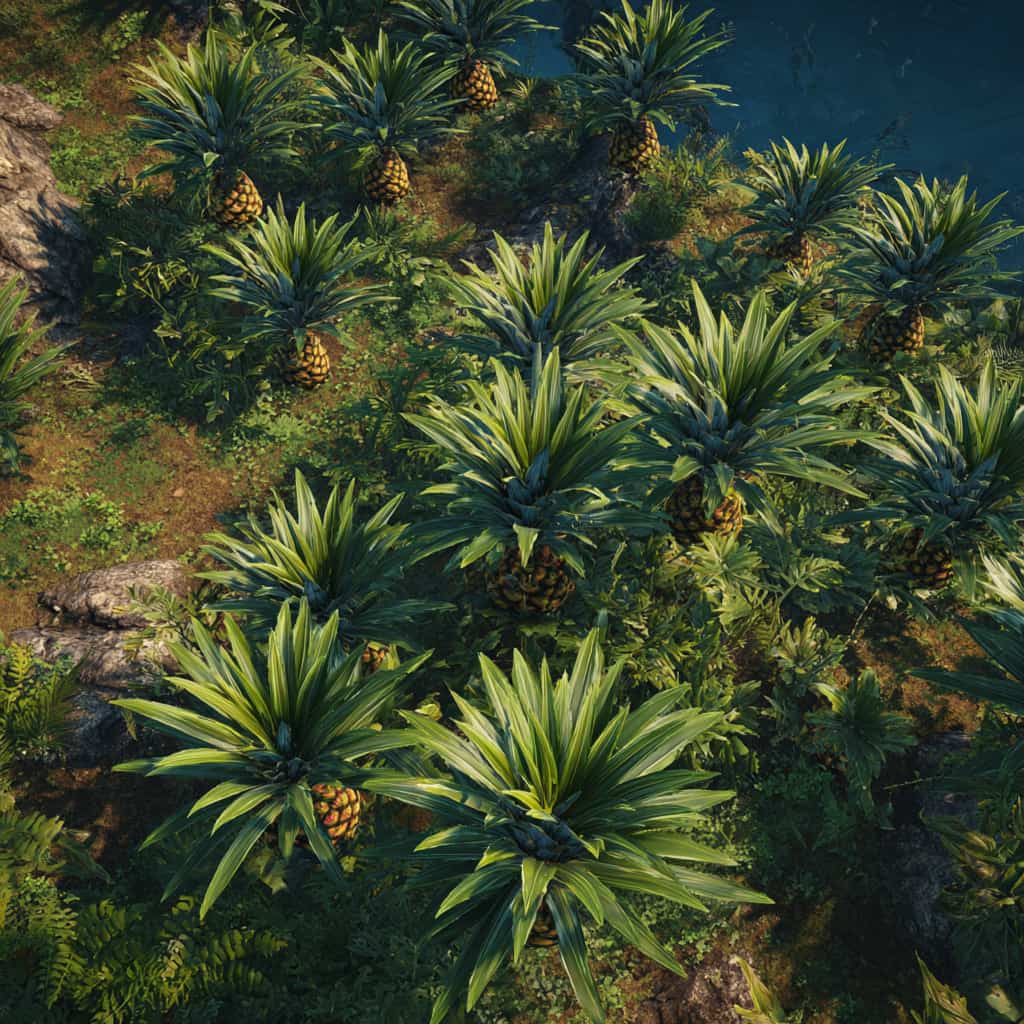
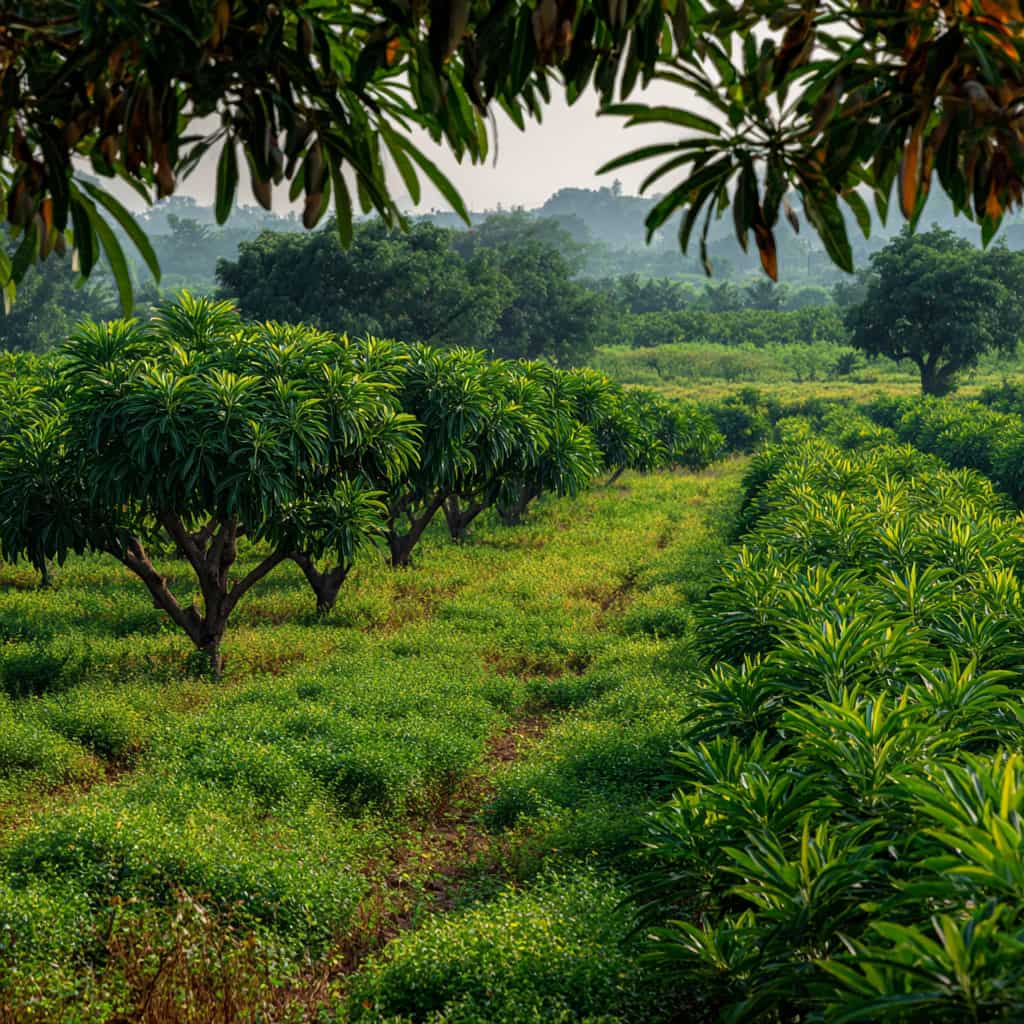
Tropical crops often present unique challenges when it comes to crop protection. Pineapples, mangoes, and other tropical crops each have their own challenges in pest and disease management. For example, pineapples are densely planted, which makes it hard for liquid pesticides to penetrate effectively. Traditional manual spraying is not only time-consuming but also inefficient, especially over large plantations.


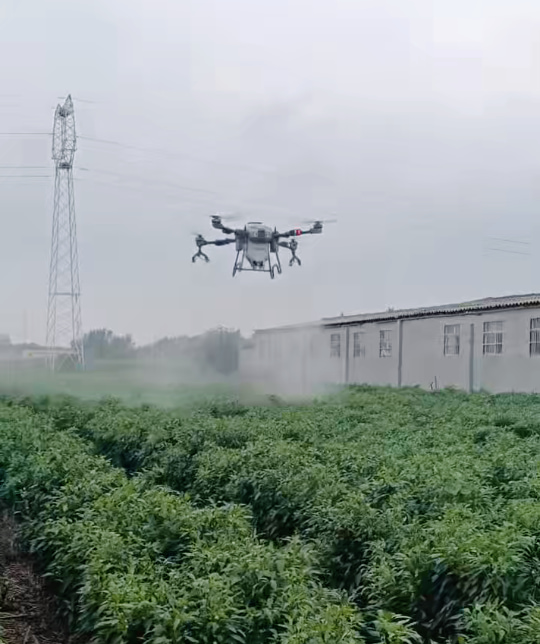
This is where Topxgun's FP700 agricultural drone comes in. Designed for versatility and efficiency, FP700 can significantly improve both the speed and effectiveness of crop protection in tropical environments. Its adjustable atomization system allows spray droplet sizes between 30–500 microns, ensuring precise coverage suited to different crops.


  • #


Moreover, the drone's high-flow spraying capability, combined with the strong airflow generated by its propellers, helps the pesticide penetrate dense foliage. This ensures better coverage even in crops with complex planting patterns, such as pineapple and mango trees.


Farmers using the FP700 have reported considerable savings in time and labor while achieving more uniform application of pesticides. The ability to adjust droplet size and flow also allows operators to optimize treatments for different types of crops and stages of growth, making it a truly flexible tool for tropical agriculture.


In short, Topxgun's FP700 agricultural drone is helping growers tackle the specific challenges of tropical crop protection, offering a practical, efficient, and precise solution that goes beyond traditional spraying methods.

Agricultural Drones in Chile Opportunities and Challenges in a Diverse Landscape


Chile's agriculture is as diverse as its geography. From the dry Atacama Desert in the north to the rainy southern valleys, farmers grow crops from grapes and avocados to wheat, apples, and cherries. This variety makes Chile one of South America's most dynamic agricultural producers, but also a country with very different farming conditions from one region to another.


In recent years, agricultural drones have become a useful tool for Chilean farmers looking to manage crops more efficiently and reduce production costs. The country's long and narrow shape means farms are often located in hilly or hard-to-reach areas, where traditional ground equipment struggles to operate.


Here, drones like Topxgun FP700 or FP300E can make a big difference. They can spray pesticides, spread fertilizer, or monitor crops with precision, even on uneven terrain or small plots. For vineyards and fruit farms, especially those in central Chile, drones provide a faster, safer, and more targeted way to protect crops while using fewer chemicals.


Key Advantages

1. Efficiency and Coverage

Drones can cover large areas in a short time, reducing labor costs and saving water and chemicals through precise application.


2. Adaptability to Terrain

Many Chilean farms are located in valleys or slopes. Agricultural drones are ideal for these environments, offering flexible flight routes and stable spraying performance.


3. Cost Savings

Compared to traditional spraying methods that require tractors, fuel, and multiple operators, drones significantly lower operating costs. They also help reduce waste by delivering chemicals only where needed.


4. Safety and Environmental Benefits

Using drones keeps farmers away from direct contact with pesticides, minimizing health risks. At the same time, precise spraying reduces chemical drift and environmental impact, important factors for sustainable farming.


As Chile continues investing in smart agriculture, the role of drones will only grow. With robust hardware and intelligent flight systems, TopXGun agricultural drones are designed to adapt to various crops, helping farmers achieve greater precision and sustainability.

Boosting Peanut Farming Efficiency with Agricultural Drones


Peanuts are an important cash crop in many regions, widely used for food, oil production, and livestock feed. However, peanut cultivation faces challenges such as pest outbreaks, fungal diseases, and the need for precise nutrient management. Traditional crop protection methods are often labor-intensive, time-consuming, and less effective in ensuring uniform coverage.


Agricultural drones are transforming the way peanut fields are managed. With their ability to fly at low altitudes and cover large areas quickly, drones make pesticide and fertilizer application more precise and efficient.


Using drones for spraying operations offers several advantages:

  • Precision Application: Drones equipped with intelligent nozzles ensure fine droplet distribution, targeting peanut leaves and reducing chemical waste.
  • Labor Efficiency: One drone can replace several workers, significantly cutting down labor needs and operational costs.
  • Timely Operations: Weather and crop conditions often demand rapid responses. Drones allow farmers to carry out spraying at the optimal growth stage without delay.
  • Reduced Crop Damage: Unlike ground machinery, drones fly above the crop canopy, preventing plant damage and soil compaction.


In a peanut field operation, the process starts with preparing the pesticide solution and loading it into the drone's spraying tank. Flight parameters—such as altitude, speed, and spray rate—are set based on the crop's growth stage and field conditions. With just one click, the drone autonomously follows the planned route, applying inputs evenly across the field.


For example, during the peak growth stage of peanuts, drones can operate at:


Flight altitude: 3–4 meters above canopy

Flight speed: 6–7 m/s

Application rate: around 45–60 liters per hectare


TopXGun offers agricultural drones tailored to different farm scales:

FP700 Agri Drone – Designed for large-scale farms, with a 60L spraying tank, powerful 4D radar, and advanced autonomous flight planning for maximum efficiency.


FP300E Agri Drone – A compact and easy-to-operate model, ideal for medium and small farms, offering precise spraying and spreading functions with excellent maneuverability.

Change the Way You Farm with a Crop Seeding Drone


In the ever-evolving world of agriculture, innovation continues to shape the way we grow our crops. Among the most promising developments is aerial seeding—using drones to sow seeds directly into fields with speed, precision, and efficiency. At Topxgun, we're proud to be part of this transformation, helping farmers embrace smarter, faster, and more sustainable seeding methods with our advanced agricultural drones.


Aerial seeding is the process of distributing seeds over land using flying equipment, traditionally done with airplanes or helicopters. Now, with the rise of agricultural drones, this process has become more accessible, cost-effective, and suitable for farms of all sizes. Crop seeding drones offer pinpoint accuracy, lower operational costs, and the flexibility to work in complex terrains.


Topxgun agricultural drones are equipped with specialized spreading mode designed to release seeds uniformly across the field.

Topxgun agricultural drones are equipped with specialized spreading mode designed to release seeds uniformly across the field. Farmers can adjust spreading rates. Whether you're reseeding pasture, planting cover crops, or exploring no-till farming practices, the drone delivers consistent results—efficiently and with minimal impact on the soil.

Key Benefits

1. Time-Saving Efficiency

Compared to traditional machinery, seeding drones can cover large areas in less time, especially in irregular or hard-to-reach fields. No need for tractors or heavy equipment—just take off and seed.

2. Precision & Uniformity

Drones distribute seeds with consistent density and spacing, improving germination rates and reducing waste.

3. Terrain Versatility

From mountainsides to wetlands, drones can operate where tractors can't. This makes aerial seeding ideal for orchards, hillsides, and fragmented plots.

4. Lower Labor and Equipment Costs

Reduce the need for manual labor and large machinery. Drone seeding is a lightweight, scalable solution that suits both small farms and large operations.

5. Eco-Friendly Farming

Drones minimize soil compaction and fuel use, supporting sustainable agriculture practices. They're also perfect for planting cover crops, which improve soil health and reduce erosion.


Topxgun drones have already been used in rice paddies, grassland restoration, forest reseeding, and even aquatic farming areas. Farmers have reported faster planting cycles, improved crop emergence, and better flexibility in managing planting schedules.


As global agriculture faces the challenges of climate change, labor shortages, and rising input costs, aerial seeding stands out as a practical innovation. At Topxgun, we’re committed to developing powerful, user-friendly crop seeding drones that help farmers get more done—with less.


Ready to change the way you seed? Explore our agricultural drone lineup and contact us to learn more about our aerial seeding solutions.

Combating Locust Infestations with Agricultural Drones


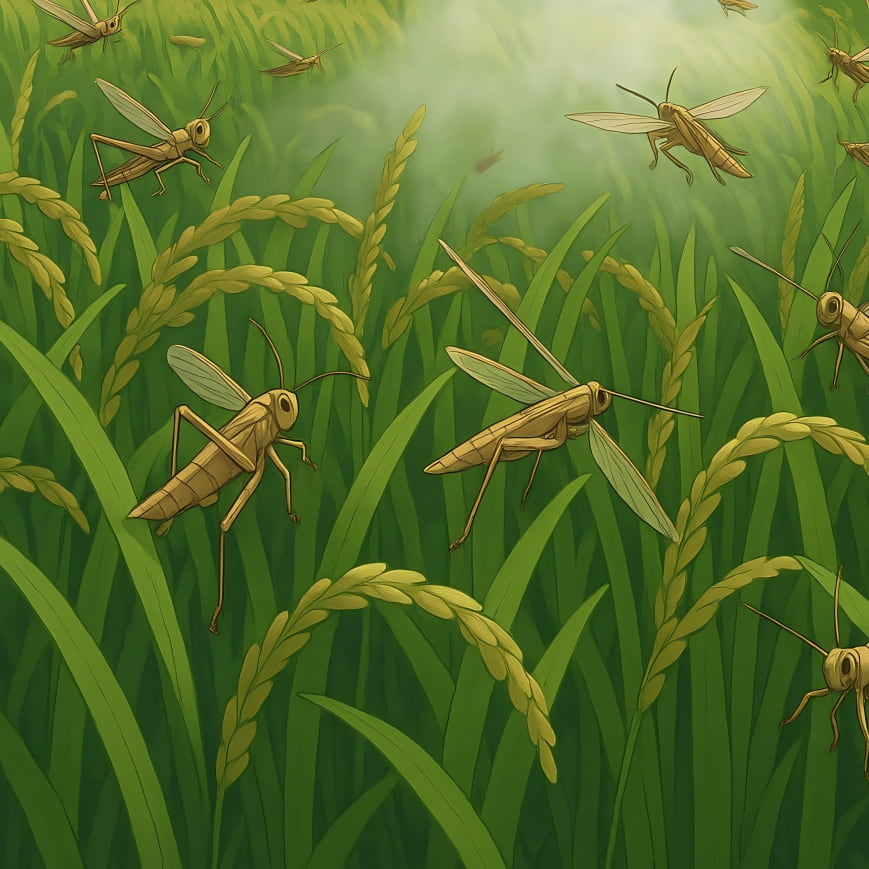
Locust outbreaks have long been one of the most destructive threats to agriculture across the globe. These fast-moving swarms can devastate entire fields in a matter of hours, putting farmers’livelihoods and food security at serious risk.


Using FP700 agricultural drone for locust control


In the fight against these pests, agricultural drones are emerging as a highly effective, safe, and efficient solution. Unlike traditional ground spraying equipment or manned aircraft, drones offer flexibility, precision, and safety in pest control operations. Here's how:


1. Rapid Response

Drones require minimal preparation time and can be deployed almost instantly when a locust outbreak is detected. Within just minutes, they can begin spraying over a wide area, making them an ideal tool for fast and large-scale pest control.

2. Precision Spraying

With GPS-guided systems and real-time route planning, agricultural drones can target locust hotspots with minimal chemical waste, reducing environmental impact.

3. Operator Safety

Drones allow the operator to stay safely on the ground, far from the chemicals and swarming insects, significantly reducing exposure risks.


FP700 agri drone is spraying insecticide for pest control


As climate change contributes to the spread and unpredictability of locust infestations, drone technology offers a sustainable path forward. With advancements in AI, sensor integration, and variable rate spraying, future drone fleets will not only respond faster—but also predict and prevent outbreaks more effectively.


Drone-based pest control is no longer a concept of the future — it's happening now. At TopXGun, we’re proud to contribute to smarter, safer farming through drone innovation.

FP700 Demonstration in Kazakhstan Advancing Smart Agriculture with TopXGun


Kazakhstan, known as one of the world's largest grain producers, is a country where agriculture plays a vital role in the economy. With vast farmlands, wheat, barley, corn, and oilseed crops dominate production, making agricultural modernization and efficiency key priorities for local farmers. As the demand for precision farming continues to grow, agricultural drones are becoming an increasingly valuable tool to address labor shortages and boost productivity.


Recently, TopXGun's local distributor in Kazakhstan successfully organized a promotional event featuring the FP700 agricultural drone.


Recently, TopXGun's local distributor in Kazakhstan successfully organized a promotional event featuring the FP700 agricultural drone. The event combined an indoor presentation with an outdoor live flight demonstration, giving farmers the opportunity to experience first-hand the efficiency and precision of drone-based crop management.


The event combined an indoor presentation with an outdoor live flight demonstration, giving farmers the opportunity to experience first-hand the efficiency and precision of drone-based crop management.


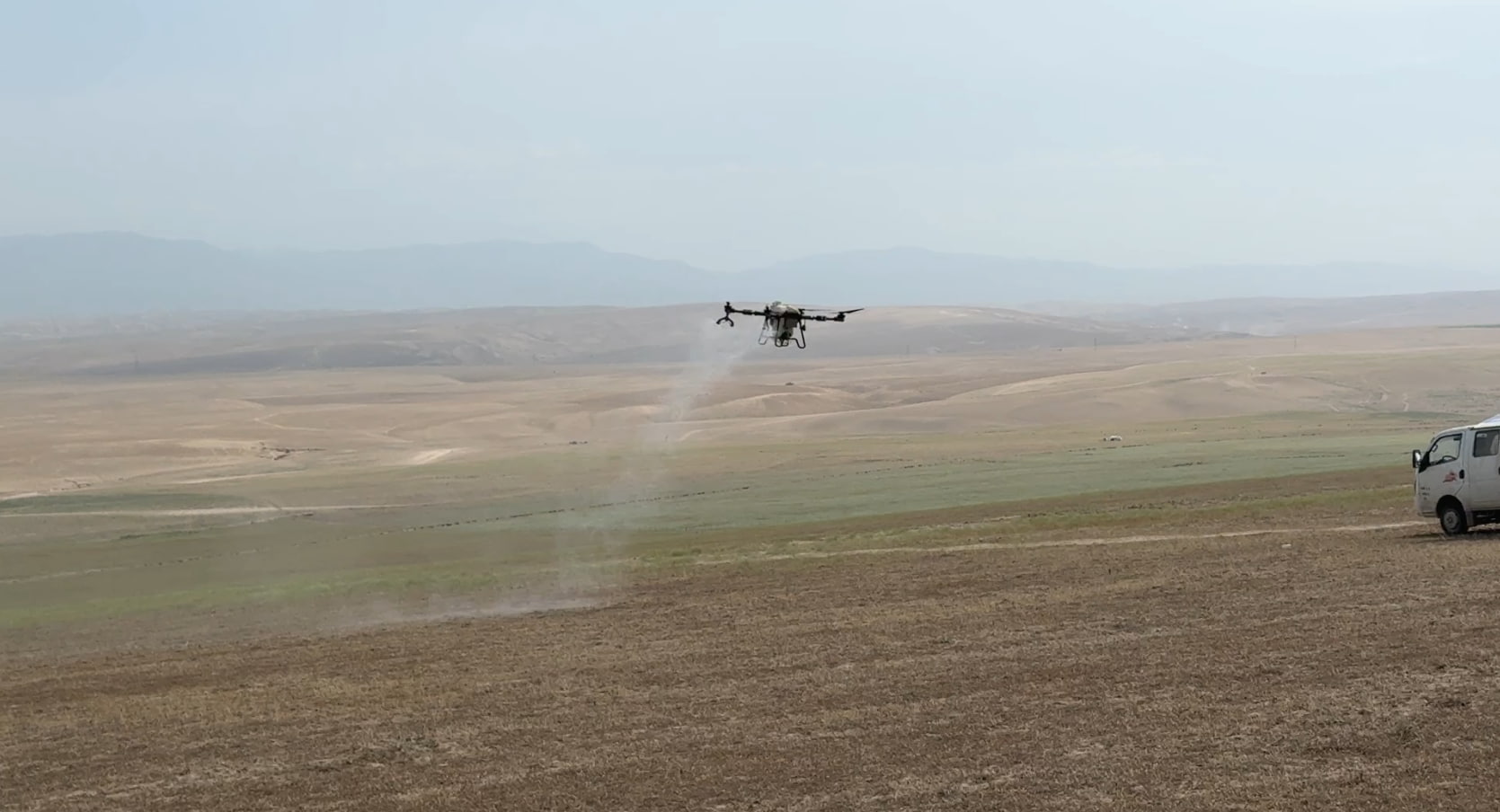
During the indoor session, participants learned about the advanced features of the FP700, including its modular design, powerful spraying capabilities, and intelligent operation systems. This was followed by an outdoor demonstration where the FP700 showcased its ability to perform large-scale spraying with accuracy and consistency, highlighting its potential to transform farming practices in Kazakhstan.


TopXGun's Vice President, along with our technical specialists, attended the event and joined farmers on site to witness the performance of the FP700, while also providing training and supporting the delivery of new units.


TopXGun's Vice President, along with our technical specialists, attended the event and joined farmers on site to witness the performance of the FP700, while also providing training and supporting the delivery of new units.


The demonstration not only deepened farmersunderstanding of the FP700 but also sparked enthusiasm for adopting drone technology in daily farming operations. By integrating efficiency, precision, and innovation, TopXGun aims to contribute to the modernization of Kazakhstan's agriculture and help local farmers achieve better harvests.